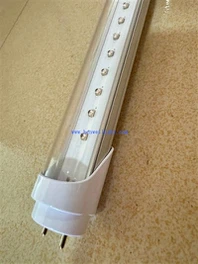
RGB T8 LED tubes have revolutionized the lighting industry with their energy - efficiency, versatility in color output, and long - lasting performance. As a leading supplier of RGB T8 LED tubes, I often encounter inquiries from customers about potential interference issues. One such concern is whether these tubes are affected by radio frequency interference (RFI).
Understanding Radio Frequency Interference
Radio frequency interference refers to the disturbance that affects an electrical circuit due to either electromagnetic induction or electromagnetic radiation emitted from an external source. In simpler terms, any device that emits radio waves can potentially cause disruptions in other nearby electrical devices. Common sources of RFI include Wi - Fi routers, mobile phones, microwave ovens, and radio transmitters.
When RFI occurs, it can lead to a variety of problems in electrical equipment. For example, in audio systems, it may manifest as static or a buzzing noise. In the case of LED lighting, the interference can cause flickering, irregular color changes, or even complete failure of the lighting system.
How RGB T8 LED Tubes Work
To understand whether RGB T8 LED tubes are susceptible to RFI, it's essential to have a basic understanding of how they operate. RGB stands for Red, Green, and Blue - the three primary colors of light. By combining these three colors in different intensities, RGB T8 LED tubes can produce a vast spectrum of colors.


These tubes are typically driven by a control circuit that regulates the amount of current flowing through each of the red, green, and blue LEDs. The control circuit is often designed to receive signals from a remote control or a smart lighting system, allowing users to change the color and brightness of the tube.
Susceptibility of RGB T8 LED Tubes to RFI
In general, RGB T8 LED tubes can be affected by radio frequency interference, but the degree of susceptibility depends on several factors.
Firstly, the quality of the tube's internal components plays a significant role. High - quality RGB T8 LED tubes are often equipped with shielding and filtering mechanisms. Shielding involves the use of conductive materials to block external electromagnetic radiation from reaching the internal circuitry of the tube. Filtering, on the other hand, is a process that removes unwanted frequency components from the electrical signal, ensuring that only the desired signals reach the LEDs.
Secondly, the proximity of the RGB T8 LED tubes to the source of RFI matters. If the tubes are placed in close proximity to high - power radio transmitters or other strong sources of electromagnetic radiation, they are more likely to experience interference.
Moreover, the environment in which the tubes are installed can also influence their susceptibility. For instance, in industrial settings where there are many electrical devices operating simultaneously, the level of electromagnetic noise is generally higher. This increases the likelihood of RFI affecting the RGB T8 LED tubes.
Mitigating RFI in RGB T8 LED Tubes
As a supplier, we have developed several strategies to minimize the impact of radio frequency interference on our RGB T8 LED tubes.
One of the most effective methods is to improve the shielding design of the tubes. By using high - quality shielding materials, we can significantly reduce the amount of external electromagnetic radiation that penetrates the tube's internal circuitry. This involves enclosing the sensitive components of the tube in a metallic shield, which acts as a Faraday cage.
Another approach is to enhance the filtering capabilities of the control circuit. Our engineers have designed advanced filtering circuits that can effectively suppress unwanted radio frequencies while allowing the desired electrical signals to pass through. This ensures that the LEDs receive clean and stable electrical power, reducing the likelihood of interference - related problems.
In addition, we also provide installation guidelines to our customers. For example, we recommend keeping the RGB T8 LED tubes away from sources of RFI such as Wi - Fi routers and microwave ovens. We also suggest using shielded cables for the electrical connections to further reduce the risk of interference.
Real - World Applications and Case Studies
In real - world applications, the potential for RFI affecting RGB T8 LED tubes is a concern in various settings.
In commercial buildings, these tubes are often used for decorative lighting. For example, in shopping malls or hotels, RGB T8 LED tubes can create a vibrant and inviting atmosphere. However, in large commercial spaces, there are usually numerous electrical devices operating, including Wi - Fi access points, security systems, and audio systems. If the RGB T8 LED tubes are not properly shielded and filtered, they may be affected by the RFI generated by these devices, leading to flickering or color inconsistencies.
In the automotive industry, LED Light Bar For Cars Off - road is a product that shares some similarities with RGB T8 LED tubes. The vehicle's electrical system, including the radio and ignition system, can generate radio frequency interference. If the LED light bars are not designed to withstand this interference, they may experience performance issues.
In residential settings, RGB T8 LED tubes are increasingly being used for home lighting. With the growing popularity of smart home devices, the risk of RFI has also increased. For example, a Wi - Fi - enabled smart home hub or a Bluetooth speaker can emit radio waves that may interfere with the RGB T8 LED tubes.
Comparison with Other Lighting Products
When comparing RGB T8 LED tubes with other types of lighting products in terms of RFI susceptibility, Spotlight LED Bulb and U Shaped T8 LED Tube are two relevant examples.
Spotlight LED bulbs are often used for focused lighting in areas such as display cabinets or art galleries. These bulbs typically have a simpler electrical circuit compared to RGB T8 LED tubes. As a result, they may be less susceptible to RFI in some cases. However, if they are used in an environment with a high level of electromagnetic noise, they can also experience interference - related problems.
U - shaped T8 LED tubes are similar in design to regular T8 LED tubes but have a U - shaped configuration. The presence of the control circuit in RGB - enabled U - shaped T8 LED tubes makes them comparable to RGB T8 LED tubes in terms of RFI susceptibility. The same shielding and filtering measures are required to ensure their reliable operation in the presence of RFI.
Conclusion and Call to Action
In conclusion, RGB T8 LED tubes can be affected by radio frequency interference, but the impact can be minimized through proper design, shielding, and installation. As a reliable supplier of RGB T8 LED tubes, we are committed to providing high - quality products that are resistant to RFI. Our engineering team constantly works on improving the design and performance of our tubes to meet the highest industry standards.
If you are in the market for high - quality RGB T8 LED tubes or have any questions about radio frequency interference and our products, we encourage you to contact us for a detailed discussion. We can provide you with customized solutions based on your specific requirements and application scenarios. Whether you are a commercial developer, an automotive manufacturer, or a homeowner looking to upgrade your lighting system, we are here to assist you.
References
- "Electromagnetic Compatibility Engineering" by Henry W. Ott
- "LED Lighting Handbook" by Roland Haitz and Michael R. Krames