As a poultry LED light supplier, I often get asked whether our lights have an impact on the molting process of hens. It's a fascinating topic, and one that I'm more than happy to dive into. So, let's explore this question together and see what we can find out.
First off, let's briefly cover what molting is. Molting is a natural process in which hens shed their old feathers and grow new ones. This usually happens once a year, typically in the fall. During this time, hens' bodies are focusing a lot of energy on feather regrowth, which often leads to a decrease in egg production.

Now, let's talk about light. Light plays a crucial role in a hen's physiological processes. Hens are photosensitive animals, meaning their bodies respond to changes in light. In nature, the decreasing daylight hours in the fall trigger the molting process. As the days get shorter, hens' hormone levels change, which signals the start of molting.
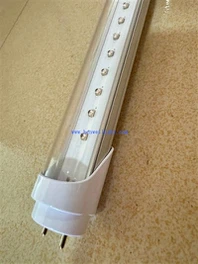
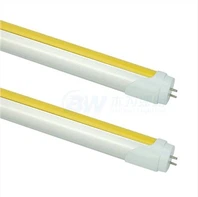
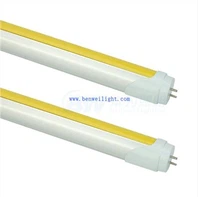
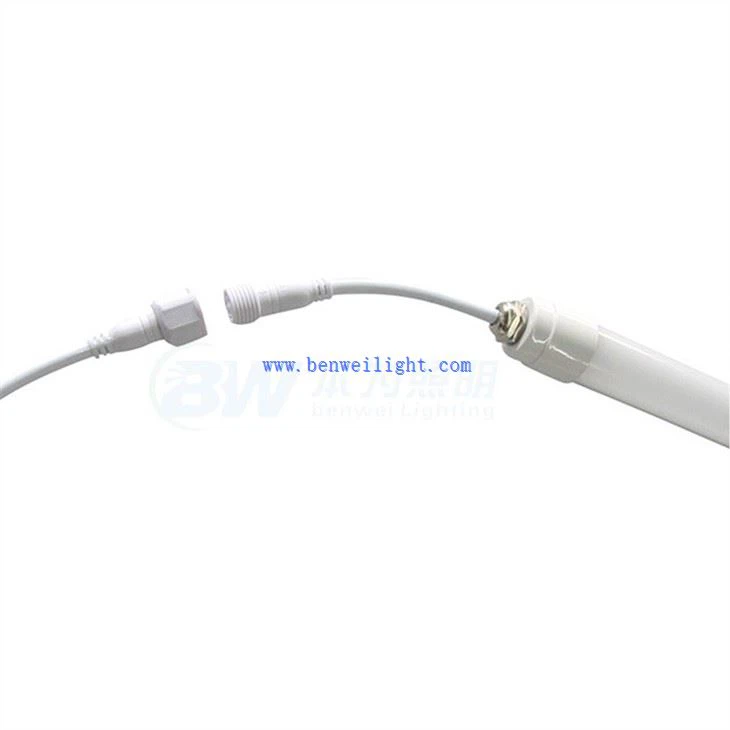
So, where do our poultry LED lights come in? Well, we offer a range of products that can help control the lighting environment in a chicken coop. For example, our Dimmable T10 Chicken Farm Lighting allows for precise control of light intensity. You can adjust the brightness according to the needs of your hens at different times of the day and year.
If you're using Light Bulb in Chicken Coop, you can create a consistent lighting schedule. By providing a stable amount of light each day, you can potentially influence the molting process. For instance, if you keep the light hours in the coop relatively constant, it might delay the onset of molting. This is because the hens' bodies may not receive the signal from decreasing daylight that usually triggers molting.
On the flip side, if you want to manage the molting process to ensure a healthy cycle, you can gradually reduce the light exposure in the coop. This mimics the natural decrease in daylight hours and can help the hens go through molting in a more natural and less stressful way.
Our Chicken Coop Lighting For Egg Production is designed to not only support egg - laying but also have a positive impact on the overall health of the hens during molting. The right lighting can help maintain the hens' circadian rhythm, which is essential for their well - being. A disrupted circadian rhythm can lead to stress, and stress can have a negative impact on the molting process. When hens are stressed, they may take longer to molt, and the new feathers may not grow in as well.
It's important to note that different hens may respond differently to changes in lighting. Some hens may be more sensitive to light changes, while others may be more resilient. Factors such as breed, age, and overall health can also affect how a hen responds to lighting during molting.
When it comes to the color of the light, studies have shown that different colors can have different effects on hens. Red light, for example, is known to be calming for hens. During molting, when hens are already under some stress, a bit of red light in the coop can help soothe them. Our poultry LED lights come in a variety of colors, allowing you to customize the lighting environment according to your hens' needs.
Another aspect to consider is the intensity of the light. Too much light can be overwhelming for hens, especially during molting when their bodies are already working hard. On the other hand, too little light can disrupt their normal behavior and physiological processes. Our dimmable lights give you the flexibility to find the right balance for your flock.
If you're thinking about using our poultry LED lights to manage the molting process of your hens, here's a step - by - step guide on getting started. First, assess the current lighting situation in your chicken coop. Measure the amount of natural light that enters the coop at different times of the day and throughout the year. Then, based on your goals (whether it's to delay molting, support a healthy molt, or increase egg production), choose the appropriate lighting product from our range.
Once you've installed the lights, start by setting a lighting schedule. If you want to delay molting, aim to keep the light exposure in the coop at around 14 - 16 hours per day. If you're trying to support a natural molt, gradually reduce the light hours over a few weeks to mimic the natural decrease in daylight.
Monitor your hens closely during the process. Look for signs of stress, such as changes in behavior, appetite, or feather quality. If you notice any issues, adjust the lighting accordingly.
In conclusion, poultry LED lights can definitely affect the molting process of hens. By carefully controlling the lighting environment in the chicken coop, you can manage the molting process, support the health of your hens, and even improve egg production. Whether you're a small - scale backyard chicken keeper or a large - scale poultry farmer, our range of poultry LED lights can provide the solution you need.
If you're interested in learning more about how our products can benefit your flock or if you're ready to make a purchase, don't hesitate to reach out. We're here to help you find the best lighting solutions for your poultry.
References
- "Poultry Lighting: Principles and Practices" by various poultry science experts
- Research studies on the effects of light on poultry physiology from leading agricultural universities