As a Supplier specializing in Sensor T8 LED Tubes, I often encounter customers who are curious about the ease of replacing these innovative lighting solutions. In this blog post, I'll delve into the topic, exploring the factors that contribute to the replacement process and providing insights based on my industry experience.
Understanding the Basics of Sensor T8 LED Tubes
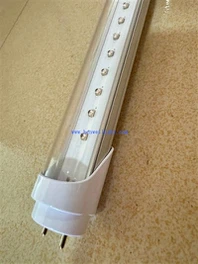
Before discussing the replacement process, it's essential to understand what Sensor T8 LED Tubes are and how they work. These tubes are equipped with sensors that detect motion, occupancy, or ambient light, allowing them to automatically adjust their brightness or turn on and off as needed. This not only enhances energy efficiency but also provides added convenience and security in various applications, such as parking lots, warehouses, corridors, and offices.
There are two main types of sensors commonly used in T8 LED Tubes: microwave sensors and PIR (Passive Infrared) sensors. Microwave sensors use radio waves to detect motion, making them suitable for detecting movement through walls and obstacles. PIR sensors, on the other hand, detect changes in infrared radiation emitted by living beings, making them ideal for detecting the presence of people in a confined space.
Factors Affecting the Ease of Replacement
The ease of replacing Sensor T8 LED Tubes depends on several factors, including the existing lighting setup, the compatibility of the new tubes with the fixture, and the technical skills of the person performing the replacement. Let's take a closer look at each of these factors:
Existing Lighting Setup
If you're replacing traditional fluorescent T8 tubes with Sensor T8 LED Tubes, the process is generally straightforward. Most Sensor T8 LED Tubes are designed to be drop-in replacements for fluorescent tubes, meaning they can be installed without the need for any complex wiring or modifications to the existing fixture. However, it's important to ensure that the ballast in the fixture is bypassed or removed, as Sensor T8 LED Tubes are designed to operate without a ballast.


On the other hand, if you're replacing existing LED T8 tubes with Sensor T8 LED Tubes, the process may be more complicated. Some LED T8 tubes are designed to work with a specific type of driver or power supply, and you may need to replace the driver or power supply to ensure compatibility with the new Sensor T8 LED Tubes. Additionally, you may need to check the wiring connections and make any necessary adjustments to ensure proper installation.
Compatibility with the Fixture
Another important factor to consider when replacing Sensor T8 LED Tubes is the compatibility of the new tubes with the existing fixture. Not all Sensor T8 LED Tubes are designed to fit all types of fixtures, so it's important to choose tubes that are compatible with the make and model of your fixture. You can usually find this information in the product specifications or on the manufacturer's website.
In addition to physical compatibility, you also need to ensure that the electrical specifications of the new tubes are compatible with the existing lighting system. This includes factors such as the voltage, current, and wattage of the tubes, as well as the type of power supply or driver used. Using incompatible tubes can result in poor performance, reduced lifespan, or even damage to the fixture or the tubes themselves.
Technical Skills
Replacing Sensor T8 LED Tubes requires some basic technical skills, such as the ability to turn off the power supply, remove the old tubes, and install the new tubes. However, if you're not comfortable working with electrical systems, it's recommended that you hire a qualified electrician to perform the replacement. A professional electrician has the knowledge and experience to ensure that the replacement is done safely and correctly, minimizing the risk of electrical shock or other hazards.
Step-by-Step Guide to Replacing Sensor T8 LED Tubes
Assuming that you have the necessary technical skills and that the new Sensor T8 LED Tubes are compatible with the existing fixture, here's a step-by-step guide to replacing the tubes:
- Turn off the power supply to the lighting fixture. This is an important safety precaution to prevent electrical shock or other hazards.
- Remove the old tubes from the fixture. Depending on the type of fixture, you may need to twist the tubes counterclockwise or gently pull them out of the sockets.
- If the fixture is equipped with a ballast, you'll need to bypass or remove it. This involves disconnecting the wiring from the ballast and connecting the wires directly to the new tubes. If you're not sure how to do this, it's recommended that you consult a qualified electrician.
- Install the new Sensor T8 LED Tubes into the fixtures. Make sure that the tubes are properly aligned and inserted into the sockets.
- Connect the wiring to the new tubes. Follow the wiring diagram provided with the tubes to ensure that the connections are made correctly.
- Turn on the power supply to the fixture and test the new tubes. If the tubes do not turn on or if they are not functioning properly, check the wiring connections and make any necessary adjustments.
Benefits of Replacing with Sensor T8 LED Tubes
Replacing traditional fluorescent or non-sensor LED T8 tubes with Sensor T8 LED Tubes offers several benefits, including:
Energy Efficiency
Sensor T8 LED Tubes are designed to automatically adjust their brightness or turn on and off based on the presence of people or ambient light levels. This helps to reduce energy consumption and lower electricity bills, especially in areas where the lighting is not required to be on all the time, such as parking lots, warehouses, and corridors.
Cost Savings
In addition to energy savings, Sensor T8 LED Tubes also have a longer lifespan than traditional fluorescent tubes, which means that you'll need to replace them less frequently. This can result in significant cost savings over time, especially in large-scale lighting applications.
Improved Comfort and Safety
The ability to automatically adjust the lighting levels based on occupancy or ambient light levels provides a more comfortable and convenient lighting experience for users. Additionally, the motion-sensing capabilities of Sensor T8 LED Tubes can enhance security in areas such as parking lots and corridors, by providing additional lighting when someone is present.
Our Sensor T8 LED Tube Products
At our company, we offer a wide range of Sensor T8 LED Tubes to meet the needs of different applications. Our products include:
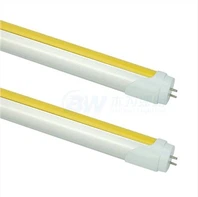
- 9W Built-in Microwave Sensor LED Tube Lamp For Parking Lot: This tube is equipped with a built-in microwave sensor that can detect motion up to 8 meters away, making it ideal for use in parking lots and other large open spaces.
- 9W PIR Led Infrared Motion Sensor T8 Led Tube Light: This tube features a PIR sensor that can detect the presence of people within a 120-degree angle, providing reliable motion detection in confined spaces.
- T8 Led Tubes With Motion Sensor: These tubes are available in a variety of wattages and lengths, and are designed to be easy to install and use.
Conclusion
In conclusion, replacing traditional fluorescent or non-sensor LED T8 tubes with Sensor T8 LED Tubes is generally a straightforward process, especially if you have some basic technical skills and the new tubes are compatible with the existing fixture. The benefits of replacing with Sensor T8 LED Tubes, such as energy efficiency, cost savings, and improved comfort and safety, make them a smart investment for any lighting application.
If you're interested in learning more about our Sensor T8 LED Tube products or have any questions about the replacement process, please feel free to [Contact us]. We'd be happy to assist you with your lighting needs and provide you with more information about our products and services.
References
- LED Lighting Association. (2023). LED Lighting Basics.
- National Electrical Manufacturers Association. (2023). Lighting Standards and Guidelines.