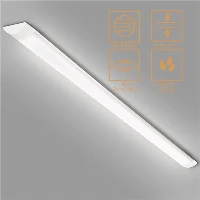
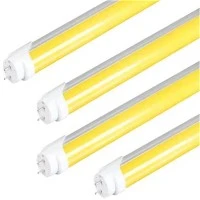
Lighting has been transformed by light-emitting diode (LED) technology, which offers lifespan, energy efficiency, and variety. But as LEDs proliferate in displays, homes, and offices, worries regarding their effects on eye health have surfaced. The safety of LED lights is investigated in this article, which also looks at possible hazards, supporting data, and workable mitigating techniques.
Gaining Knowledge on LED Technology
LEDs use electroluminescence, a process in which photons are released when electricity flows through a semiconductor. In contrast to filament-based incandescent lights, LEDs produce very little heat and transform 90–95% of energy into light. They come in a range of color temperatures, from warm (2700K) to cold daylight (6500K), all of which are expressed in Kelvin (K). The spectrum nature of LED light, especially blue wavelengths, has raised concerns over ocular safety despite its obvious efficiency.
Advantages of LED Lighting
Modern illumination is dominated by LEDs because of:
Energy Efficiency: 75% less energy is used compared with incandescent light bulbs.
Longevity: lowering waste and lasting up to 50,000 hours.
Design Flexibility: Applied to displays, task lights, and ambient lighting.
Environmental Impact: Less energy consumption means a smaller carbon imprint.
There are still concerns regarding their impact on eye health in spite of these benefits.
Possible Issues with Eye Health
One of the high-energy visible (HEV) light components of LEDs is blue light, which has a wavelength of 400–500 nm. Although the main source of blue light is natural sunshine, extended exposure to artificial sources, particularly up close, has sparked worries:
Retinal Damage: According to research on animals, too much blue light may damage retinal cells, which might lead to age-related macular degeneration (AMD). But compared to the sun, ordinary domestic LEDs emit a lot less blue light.
Digital Eye Strain: Blue light emitted by screens (computers, phones) can lead to dry eyes, blurred vision, and discomfort when used for extended periods of time. According to the American Optometric Association, this is considered "computer vision syndrome."
Sleep Disruption: Melatonin, a hormone that regulates sleep, is suppressed by blue light. LED exposure in the evening, particularly cool-white LEDs, may postpone the beginning of sleep.
2.Flicker
Some LEDs flicker, which are sudden changes in brightness that are invisible to the naked eye. Insensitive people may have headaches, eye strain, or migraines as a result of cheap or badly made drivers (components controlling current). There is less flicker with premium dimmable LEDs that are marked "flicker-free."
3.Brightness and Glare
Without enough diffusing, high-intensity LEDs can produce glare, which can lead to discomfort, squinting, or transient visual impairment. This is common in car headlights and task lighting.
4. Research and Results
According to the 2019 ANSES Report, France's health authorities advised restricting exposure to high-intensity blue LEDs, such as those seen in automobile headlights, as they may cause ocular dangers.
AMA Guidelines (2016): To reduce the output of blue light, the American Medical Association recommended the use of LEDs with color temperatures ≤3000K in public lighting.
Although the Harvard Health Study stressed that moderate use carries little danger, it did link evening blue light exposure to disturbed circadian cycles.
Experts concur that most individuals may safely use LEDs on a daily basis, however close-quarters or high-intensity applications call for prudence.
5. Populations at Risk
Some demographics are particularly vulnerable to eye strain caused by LEDs:
Children: More blue light can enter their eyes since their lenses are more translucent.
Elderly: Sensitivity may increase due to age-related eye problems such cataracts and AMD.
People with migraines or photophobia are examples of light-sensitive people.
6. Strategies for Mitigation
To reduce the dangers:
Select T8 LED tube that are warm white (2700K–3000K): less blue light than cool-white alternatives.
Reduce glare and soften light by using lampshades or diffusers.
Choose LEDs that don't flicker by looking for certifications such as IEEE 1789.
Observe the 20-20-20 Rule: When using a screen, gaze 20 feet away for 20 seconds every 20 minutes.
Reduce Evening Exposure: At night, use amber-toned lights or dimmers.
7. Guidelines and Rules
The IEC 62471 standard classifies LEDs into risk classes in order to assess photobiological safety. Reputable producers follow these recommendations, guaranteeing that their goods emit light levels that are safe. Customers ought to give preference to certified LEDs from reliable manufacturers.
8. Comparing Other Lighting Technologies with LEDs
Although they are inefficient, incandescent bulbs emit very little blue light.
Fluorescent lights: They flicker noticeably and include mercury and blue light.
Halogen bulbs are less effective and hotter than incandescent ones.
When used properly, LEDs continue to be the safest option available.