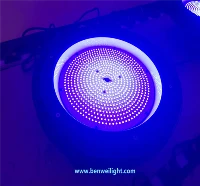
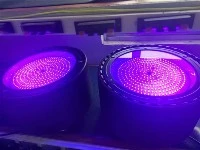
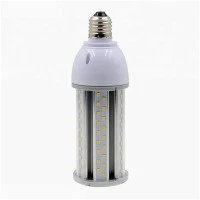
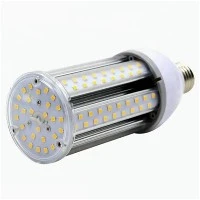
We have recently received frequent inquiries from customers asking whether UV germicidal lamps can be used for home disinfection and whether they pose any health risks. This is an excellent question; while UV disinfection has become increasingly popular in recent years, the conflicting information online-ranging from claims that it is "as safe as sunlight" to warnings that the "radiation is dangerous"-often leaves people confused.
As professionals with extensive experience in the R&D and manufacturing of UV germicidal equipment, we would like to use this article to clearly explain the principles, potential risks, and proper usage of UV germicidal lamps, helping you make informed decisions.
How UV Germicidal Lamps Work
UV germicidal lamps utilize the UVC band of ultraviolet light (typically with wavelengths between 200 and 280 nm, most commonly 253.7 nm). Light in this range disrupts the DNA or RNA structures of microorganisms such as bacteria and viruses, rendering them unable to reproduce and thereby achieving sterilization.
It is important to note that UVC does not physically "destroy" the microorganisms themselves; rather, it strips them of their ability to replicate. Essentially, it is a method of physical inactivation that does not rely on chemical disinfectants-which is one reason why it is widely used in household, medical, and food-processing settings.
Potential Risks to Human Health
This is the aspect that concerns people the most. UVC does indeed carry safety risks, primarily in two areas:
Effects on the skin: Short-term, high-intensity exposure can cause skin erythema (redness) similar to sunburn, while long-term, repeated exposure carries a cumulative risk.
Effects on the eyes: Ultraviolet keratitis is the most common issue, manifesting as stinging pain, photophobia (light sensitivity), and excessive tearing; these symptoms typically occur after looking directly at the light source or being exposed to it at close range.
It must be emphasized that these risks stem primarily from direct, close-range, and unprotected exposure; they do not mean the lamps themselves are "toxic" or "unusable." With proper usage, these risks are entirely manageable.
Key Safety Points for Home Use
Based on our experience in product design and customer feedback, we recommend paying attention to the following points for home use:
Ensure people and pets leave the room during disinfection to avoid direct exposure to the light source.
Prioritize products with timer functions and human motion sensors or delayed-start features to minimize the risk of accidental activation.
Ventilate the room for a period after disinfection before re-entering.
Avoid looking directly at the lamp tube, even for a brief moment.
Regularly inspect the lamp housing for damage; do not use the lamp if the tube is broken.
How to Choose a UV Germicidal Lamp for Home Use
The quality of UV germicidal lamps on the market varies; consider the following when making a selection:
Safety Certifications: Check for relevant certifications regarding electrical safety and UV radiation.
Safety Features: Look for safeguards against accidental activation, such as timers, remote start capabilities, or door-sensor interlocks.
Lamp Quality: The light transmittance and lifespan of the quartz tube directly affect the consistency of germicidal performance.
Ozone Emissions: Some short-wavelength lamps produce ozone; for home use, choose low-ozone or ozone-free models to minimize odors and respiratory irritation.
Common Use Cases and Frequency Recommendations
UV germicidal lamps are commonly used in bedrooms and bathrooms, as well as for disinfecting toys, clothing, and shoe cabinets. General recommendations include:
Limit the duration of a single disinfection cycle to approximately 15–30 minutes, depending on room size and lamp power.
Daily use is not required; use intermittently based on actual needs (e.g., seasonal changes or after an illness).
Effectiveness is higher in enclosed spaces; for open areas, extend the duration or adjust the lamp's placement accordingly.
Conclusion
UV germicidal lamps offer a proven and effective method of physical disinfection; they are safe for home use provided you select compliant products and follow proper operating procedures. The real focus should be on how the lamp is used rather than whether to use it. Avoiding direct human exposure, ensuring proper ventilation, and choosing products with built-in safety features are key to safe operation.
If you are looking for safe and reliable UV germicidal lamps for your home, clinic, pet shop, or other settings, please feel free to contact our team. We can recommend suitable lamp wattage and protective design solutions based on your specific space and requirements, and provide relevant safety certification documentation; please feel free to leave a message or contact us with inquiries.
https://www.benweilight.com/lighting-tube-bulb/special-t8-led-tube/uv-light-tube-light.html