Art Class: Gallery & Museum Lighting

Museums serve as the guardians of our collective cultural heritage. Through the careful curation and preservation of masterpieces from across centuries, these institutions help narrate the enduring story of human creativity.
The presentation of art is paramount, and a fundamental element that shapes the visitor experience is museum-quality lighting. Beyond mere visibility, lighting influences perception, emotion, and the integrity of the artworks themselves.
The lighting specialists at Benwei possess a deep appreciation for the art world, grounded in our expertise in gallery and museum lighting design. Below, we explore the various types of museum lighting that help forge a powerful and memorable connection between the visitor and the paintings, sculptures, and other treasures on display.
Narrative: Storytelling with Light
Every artwork tells a story, and the most effective exhibition designs weave these individual narratives into a larger, compelling journey. Lighting plays several crucial roles in this process:
Guiding the Journey: The strategic interplay of light and shadow (chiaroscuro) can lead visitors through a space, creating rhythm and highlighting a curated path.
Establishing Mood: Color temperature and light composition are powerful tools for evoking specific atmospheres, from the warm, intimate glow for classical paintings to the crisp, cool light for modern installations.
Creating Focal Points: Precise lighting draws attention to key pieces, transforming them into timeless focal points within a gallery.
Balancing Culture and Sustainability: Modern lighting solutions allow institutions to honor their cultural mission while adopting energy-efficient, sustainable practices.
Color Theory: CRI & Museum Quality Lighting
A cornerstone of art is color theory, which explores how colors interact and influence one another. In lighting, this principle is quantified by the Color Rendering Index (CRI), a scale from 0 to 100 that measures a light source's ability to reveal the true colors of an object compared to natural daylight.
Natural daylight holds a perfect score of 100, setting the standard for color accuracy. Lower CRI values can cast artworks in unnatural yellow or pink tones, distorting the artist's original intent. When developing museum lighting guidelines, curators must select a high CRI that ensures both an accurate visual representation and a comfortable experience for visitors.
Composition: Artful Gallery Lighting Design
Creating a lighting scheme that is both visually powerful and operationally efficient can be challenging. The transition to LED lighting has made this balance more achievable. Museum-grade LED lighting emits negligible heat compared to incandescent or fluorescent alternatives, reducing the risk of damage to delicate materials. It also offers a wide selection of high-CRI options while consuming a fraction of the energy.
Consider these LED solutions for various museum applications:
Perspective: Spotlights
Spotlights concentrate visual focus on a single object, such as a freestanding sculpture, while minimizing the surrounding area. Their intense beam accentuates the interplay of light and shadow for maximum impact. Benwei offers a range of dimmable LED PAR lamps in various color temperatures and high CRI options, including specialized TruColor series, where exceptional color fidelity is essential.
Scale: Track Lighting
The temporary nature of traveling exhibitions demands flexibility. Track lighting is an ideal solution, as individual fixtures can be easily repositioned along the track to accommodate changing displays. Benwei's versatile PAR, A, and BR lamp series are compatible with most track systems, providing a range of beam angles and intensities to suit any artwork.
Trompe L'Oeil: Recessed Lights
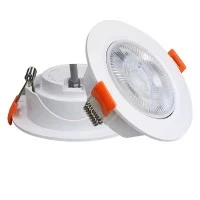
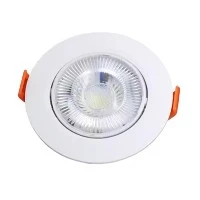
This technique, which translates from French as "fool the eye," creates the illusion of three-dimensional depth on a flat surface. Recessed ceiling lights serve a similar function in museum lighting; they are discrete, virtually disappearing into the architecture, while their focused light can be dimmed to create a distinct mood. Available in a wide range of sizes, they provide seamless ambient or accent illumination.

Realism: Lighting for Supporting Spaces
While exhibit lighting is critical, museums also function as community hubs. Careful consideration should be given to lighting for lobbies, cafeterias, parking areas, and classrooms. For instance, a lobby can be transformed from a bright, welcoming daytime entrance to a warm, inviting evening venue by using tunable lighting like the Benwei Select8 Tube Series, which features multiple color temperature settings from a single fixture. Furthermore, reliable emergency lighting is non-negotiable, protecting both visitors and invaluable collections during power outages.


Visual Rhythm: Quality Lighting Options from Benwei
Benwei has long been an innovator in the lighting industry and a supporter of the arts. We are proud to offer brilliant, cost-effective museum LED lighting solutions that help tell the story of humanity while helping institutions meet their sustainability and preservation goals. Explore our commercial LED lighting categories to discover the fixtures and lamps that deliver beautiful technology, meaningful savings, and meet the highest standards of museum lighting.