How Long Do LED Wall Packs Last?
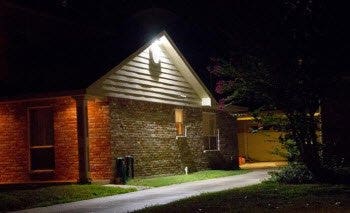
LED wall packs have revolutionized outdoor lighting with their energy efficiency, brightness, and, most notably, their exceptional lifespan. Unlike traditional lighting technologies that require frequent replacement, LED wall packs promise years of reliable operation, making them a favorite for commercial, industrial, and residential applications. But exactly how long do these fixtures last? The answer depends on a complex interplay of engineering, environmental conditions, and usage patterns. This article explores the typical lifespan of LED wall packs, the factors that influence their durability, and practical steps to maximize their operational life.
Defining LED Wall Pack Lifespan: Beyond Simple Hours
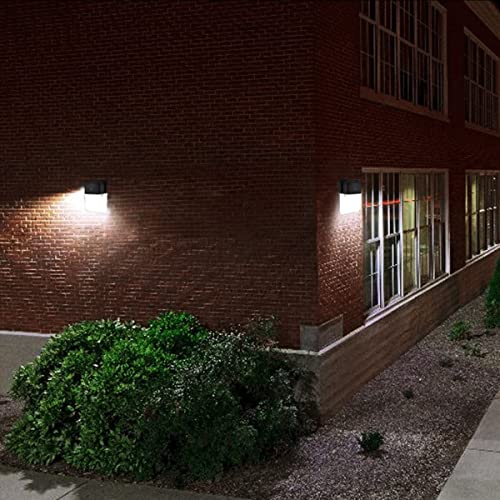
The lifespan of LED wall packs is not measured in the same way as traditional lighting. For incandescent or fluorescent bulbs, "lifespan" usually refers to the point when the bulb stops producing light entirely. LEDs, however, degrade gradually, dimming over time rather than failing suddenly. The industry standard for measuring LED lifespan is the L70 rating-the number of hours it takes for an LED fixture to reduce its light output to 70% of its initial brightness. This is a critical distinction because 70% brightness is still sufficient for most outdoor lighting needs, meaning the fixture remains functional long after reaching this threshold.
Most high-qualityqualityLED wall packscarry an L70 rating of 50,000 to 100,000 hours. To put this in perspective:
A fixture with a 50,000-hour L70 rating used 8 hours per day will last approximately 17 years.
The same fixture used 12 hours per day will last about 11 years.
In 24/7 commercial settings (e.g., hospital exteriors, 24-hour retail), it will still operate effectively for 5.7 years.
Premium models, often used in industrial or high-security applications, can reach 100,000 hours, extending these lifespans to 34 years (8 hours/day) or 11.4 years (24 hours/day). These numbers far outpace traditional alternatives: incandescent wall packs last 1,000–2,000 hours, while fluorescent models top out at 20,000 hours.
Key Factors Influencing LED Wall Pack Lifespan
While the L70 rating provides a baseline, real-world performance depends on several critical factors. Even the highest-rated LED wall pack can fail prematurely if exposed to unfavorable conditions.
1. Thermal Management
Heat is the primary enemy of LED performance and longevity. LEDs convert only 20–30% of energy into light; the rest becomes heat. If this heat isn't dissipated effectively, it raises the LED's junction temperature, accelerating lumen depreciation and shortening lifespan.
High-quality LED wall packs address this with advanced heat sinks-usually made of die-cast aluminum, which conducts heat efficiently. These heat sinks feature fins or ridges that increase surface area, allowing heat to radiate into the air. Cheaper models may use plastic heat sinks or insufficiently sized aluminum ones, leading to overheating. For example, a poorly designed LED wall pack with inadequate cooling might lose 30% of its brightness in 30,000 hours instead of 50,000, cutting its effective lifespan by 40%.
2. Build Quality and Materials
The durability of an LED wall pack's housing and components directly impacts its lifespan, especially in harsh outdoor environments.
Housing: Premium fixtures use corrosion-resistant materials like marine-grade aluminum or stainless steel, which withstand salt spray (in coastal areas), industrial chemicals, and UV radiation. Plastic housings, common in budget models, degrade under UV exposure, becoming brittle and cracking-exposing internal components to moisture and dust.
Seals and Gaskets: Effective weatherproofing relies on high-quality gaskets (often made of EPDM rubber) that create a tight seal against rain, snow, and humidity. Look for fixtures with an IP65 or IP66 rating (Ingress Protection), meaning they are dust-tight and resistant to high-pressure water jets. A compromised seal allows moisture to enter, causing short circuits or corrosion of electrical components.
LED Chips and Drivers: The quality of LED chips (from manufacturers like Cree or Nichia) and internal drivers (which convert AC power to DC) matters. High-grade chips are more resistant to degradation, while robust drivers include surge protection (10kV+) to withstand voltage spikes from lightning or power grids. Cheap drivers often fail within 2–3 years, even if the LEDs themselves are functional.
3. Environmental Conditions
Outdoor environments subject LED wall packs to extreme stressors that can shorten lifespan:
Temperature Extremes: LEDs perform best between -40°C and 60°C (-40°F to 140°F), but prolonged exposure to temperatures outside this range accelerates wear. In desert climates, daytime temperatures exceeding 40°C (104°F) can overheat poorly cooled fixtures. In polar regions, sub-zero temperatures can cause plastic components to crack or gaskets to harden and fail.
Moisture and Humidity: High humidity (above 80%) or frequent rain can penetrate poorly sealed fixtures, leading to corrosion or electrical shorts. Coastal areas face additional risk from saltwater vapor, which is highly corrosive to metal components.
Dust and Debris: In industrial zones or dry, windy regions, dust, dirt, and debris can accumulate on heat sinks and lenses. This blocks heat dissipation (causing overheating) and reduces light output, forcing the fixture to work harder to maintain brightness.
UV Radiation: Sunlight's ultraviolet rays degrade plastic lenses and housings over time, causing them to yellow or become opaque. This not only reduces light output but also exposes internal components to further damage.
4. Usage Patterns
How and how often an LED wall pack is used affects its longevity:
Daily Runtime: The more hours a fixture operates, the faster its components degrade. A wall pack running 24 hours daily will reach its L70 rating in half the time of one running 12 hours daily.
On-Off Cycles: Unlike incandescent or fluorescent bulbs, LEDs are not affected by frequent on-off cycles. In fact, using motion sensors to turn fixtures off when not needed reduces runtime, extending lifespan. A wall pack activated only by motion (averaging 2 hours of use daily) will last 6 times longer than one running 12 hours daily.
Voltage Fluctuations: Spikes or drops in electrical voltage (common in older buildings or storm-prone areas) can damage LED drivers. A single large voltage spike (e.g., from a nearby lightning strike) can fry a driver, rendering the fixture inoperable even if the LEDs are intact.
Real-World Lifespan Examples

To illustrate how these factors interact, consider two scenarios:
Scenario 1: Premium LED Wall Pack in a Moderate Climate
A commercial building installs a 50,000-hour L70 LED wall pack with aluminum housing, IP66 rating, and a high-quality driver. It is mounted under an eave (sheltered from direct rain), uses a motion sensor (averaging 4 hours of daily use), and is cleaned annually. In this environment:
Heat is effectively managed by the aluminum heat sink.
Moisture and UV exposure are minimized by the eave and durable housing.
Runtime is reduced by the motion sensor.
Result: The fixture reaches its L70 rating in approximately 34 years (50,000 hours ÷ 4 hours/day = 12,500 days), far exceeding its rated lifespan. Even after 34 years, it still produces 70% of its initial brightness-sufficient for security lighting.
Scenario 2: Budget LED Wall Pack in a Harsh Environment
A coastal restaurant installs a budget LED wall pack (claimed 50,000-hour L70) with plastic housing and no surge protection. It is mounted in an exposed location (direct rain and salt spray), runs 12 hours daily, and is never cleaned. Issues arise:
Salt spray corrodes the plastic housing, cracking the seal.
Moisture enters, damaging the driver within 2 years.
Dust accumulates on the heat sink, causing overheating and accelerating lumen depreciation.
Result: The fixture fails completely after 3 years, far short of its rated lifespan.
Maximizing the Lifespan of LED Wall Packs
With proper selection, installation, and maintenance, you can ensure your LED wall packs reach or exceed their rated lifespan:
1. Choose High-Quality Fixtures
Invest in models with:
An L70 rating of 50,000+ hours from reputable manufacturers (e.g., Philips, Hubbell, or RAB Lighting).
IP65/IP66 rating for weather resistance.
Aluminum or stainless steel housing (avoid plastic).
Integrated surge protection (10kV+).
A 5–10 year manufacturer's warranty (a strong indicator of quality).
2. Optimize Installation
Location: Mount fixtures under eaves or overhangs to reduce direct exposure to rain, snow, and UV light.
Ventilation: Ensure 6–12 inches of clearance around heat sinks for airflow, preventing heat buildup.
Wiring: Use a licensed electrician to ensure proper grounding and connection to a stable power source, reducing voltage spike risks.
3. Reduce Runtime with Smart Controls
Motion Sensors: These activate lights only when movement is detected, cutting runtime by 50–80%.
Timers: Program fixtures to turn off during daylight hours or low-activity periods (e.g., 2–5 AM for commercial properties).
Dimmers: For areas needing variable brightness, dimming LEDs reduces heat output and extends lifespan.
4. Implement Regular Maintenance
Cleaning: Wipe lenses and heat sinks every 6–12 months to remove dust, dirt, and insect debris. This maintains light output and heat dissipation.
Seal Inspection: Check gaskets annually for cracks or wear. Replace damaged gaskets (\(5–\)10) to prevent moisture intrusion.
Electrical Checks: Have a professional inspect wiring and drivers every 2–3 years for signs of corrosion or damage.
Conclusion
LED wall packs offer an impressive lifespan of 50,000 to 100,000 hours (15–30+ years with typical use), far outperforming traditional lighting technologies. However, this longevity is not guaranteed-it depends on thermal management, build quality, environmental conditions, and usage patterns. By selecting high-quality fixtures, installing them properly, using smart controls to reduce runtime, and performing regular maintenance, you can ensure your LED wall packs deliver reliable, efficient lighting for decades. For businesses and homeowners alike, this translates to lower replacement costs, reduced maintenance hassle, and long-term savings-making LED wall packs a wise investment in outdoor lighting.
https://www.benweilight.com/industrial-lighting/50k-mvolt-ddbtxd-wall-pack-2-950-lm-22-w.html
Together, we make it better.
Shenzhen Benwei Lighting Technology Co.,Ltd
Mobile/Whatsapp :(+86)18673599565
Email:bwzm15@benweilighting.com
Skype: benweilight88
Web: www.benweilight.com
Add:F Building,Yuanfen Industrial Zone,Longhua,Bao'an District,Shenzhen, China