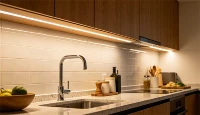
How to Choose the Best LED Lighting Fixtures for Your Application?
When selecting LED lighting, many customers face the same dilemma: the products all look alike, so how do you choose the right one?
In reality, selecting LED lighting isn't as complicated as it seems. The key is to first clarify the intended application, then consider the fixture type, technical specifications, and specific needs. This approach ensures you choose a product that is comfortable to use, easy to install, and cost-effective to maintain.
Let's look at a few common scenarios and discuss how to go about selecting the right LED lighting.
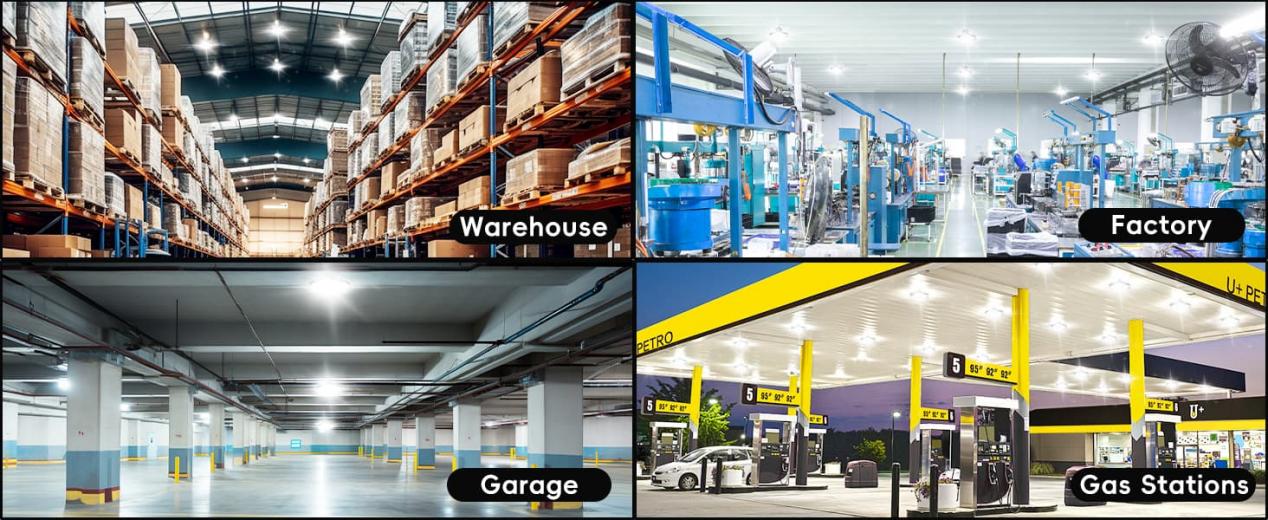
1.Factories, Warehouses, and Workshops: Prioritize Brightness and Durability
For spaces such as factories, warehouses, and workshops, the most critical factors are usually high brightness, long-range illumination, and long service life.
These environments typically feature high ceilings and large floor areas, making them well-suited for LED industrial high-bay lights and floodlights.
Key factors to consider when selecting the right lighting:
- Luminous efficacy: Higher efficacy means greater energy efficiency.
- Power and coverage area: Select based on the size of the space rather than focusing solely on wattage.
- Heat dissipation: Effective heat dissipation generally ensures a more stable and longer lifespan for the fixture.
- Protection rating: Pay special attention to the IP rating if the environment is humid or dusty.
2. Offices, schools, and conference rooms: Comfort, uniformity, and the absence of glare are paramount.
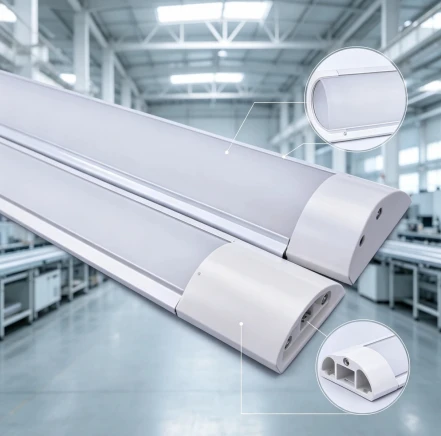
Lighting requirements for these spaces go beyond mere brightness; overall visual comfort is the primary consideration.
Consequently, fixtures such as LED panel lights, linear lights, and downlights are commonly used.
Key factors to consider when selecting fixtures:
- Color temperature: Neutral light around 4000K is common and offers a natural look.
- Color Rendering Index (CRI): A higher value ensures colors appear more true-to-life.
- Flicker-free performance: Ensures greater visual comfort during prolonged exposure to the light.
- Installation method: Confirm the mounting type-suspended, recessed, or surface-mounted-in advance.
3.Supermarkets, Showrooms, and Retail Spaces: Accent Lighting is Key
In settings such as shops, showrooms, and brand stores, lighting serves a purpose beyond mere illumination-it shapes the atmosphere of the entire space.
LED spotlights, track lights, and adjustable downlights are ideal choices here, as they effectively highlight products and specific areas.
Key factors to consider when selecting fixtures include:
- Color Rendering Index (CRI): A high CRI ensures colors appear true to life.
- Beam Angle: Determines whether the light is concentrated or diffused.
- Adjustability: The ability to move, rotate, or focus the light.
- Aesthetic Design: The appearance of the fixture itself influences the style of the space.
4.Home Interiors: Aesthetics and Ambiance Matter
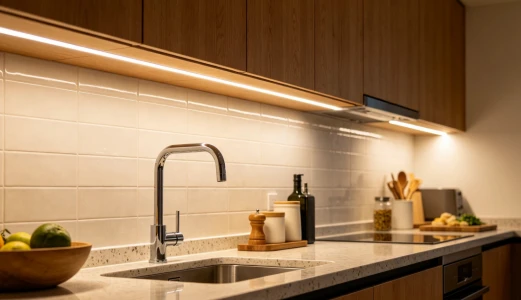
Beyond basic illumination, many homeowners place great importance on design and the atmosphere created by lighting.
Common choices for the home include downlights, flush-mount ceiling lights, magnetic track lights, and LED strips.
When selecting fixtures, consider the following:
- Color temperature: Warm light creates a cozy feel, while white light offers a crisp, clean look.
- Style: Does the design complement your interior décor?
- Ease of installation: Is it convenient to replace or maintain the fixture later?
- Dimmability: Adjustable brightness allows the lighting to adapt to different activities and moods.
5.UV Lamps: Primarily for Disinfection, Inspection, and Specialized Industrial Applications
Beyond standard lighting, UV lamps are a product category of interest to many customers.
UV lamps differ from conventional lighting; they are primarily used for disinfection, inspection, curing, and specialized industrial processes.
Common application scenarios include:
- Air and surface disinfection: Used in sanitary facilities and laboratory environments
- Water treatment equipment: Used to assist in purification processes
- Industrial inspection: Such as fluorescence testing and material identification
- Curing applications: UV curing lamps are used in certain industrial manufacturing processes
Key factors to consider when selecting a model:
- Wavelength range: Different applications require specific wavelengths
- Power and irradiation range: Determined by the operating environment
- Safety: Proper protective measures are required during use
- Lifespan and stability: Particularly important for industrial applications
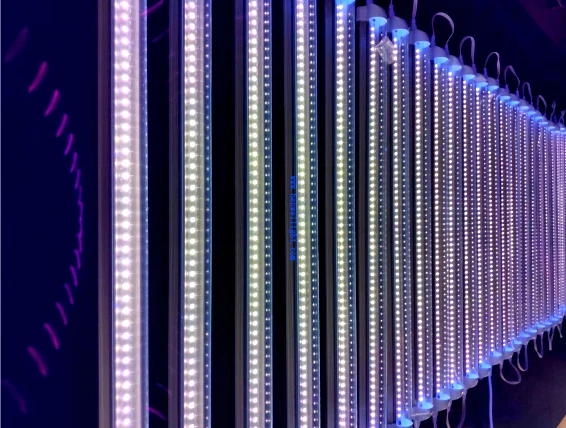
Tip: UV lamps are used differently than standard lighting; when selecting a model, be sure to confirm the intended application first, then choose the appropriate wavelength and power.
6.Plant Grow Lights: Enabling Stable Plant Growth Across Various Environments
Plant grow lights have become increasingly popular in recent years, seeing widespread use in applications such as greenhouse cultivation, indoor growing, seedling propagation, and supplemental lighting.
The key difference between these and standard lighting fixtures is their specific focus on meeting the light requirements of plants.
Common application scenarios include:
- Greenhouses
- Indoor cultivation
- Supplemental lighting for seedlings
- Home gardening
- Vertical farming
Key factors to consider when selecting a light include:
- Spectral composition: Different growth stages require different light spectra.
- Light intensity: Must be matched to the growing area and plant type.
- Installation distance: Placing the light too close to or too far from the plants affects performance.
- Heat dissipation: Crucial for extended periods of operation.
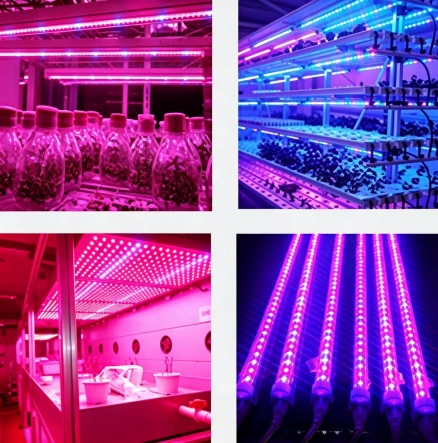
Quick tip: For plant grow lights, "brighter isn't necessarily better"; what matters more is matching the light spectrum to the specific usage scenario.
7.Outdoor, Courtyard, and Roadway Lighting: Don't Overlook Waterproofing and Dustproofing
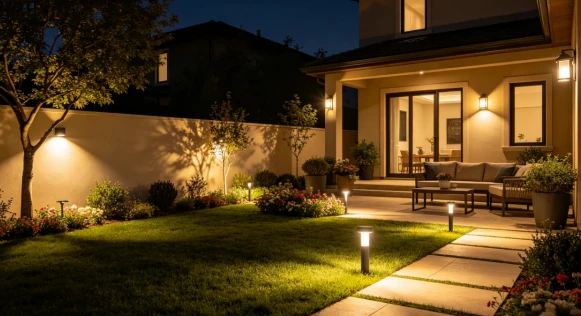
For outdoor applications-such as courtyards, roadways, building facades, and landscape lighting-factors like waterproofing, dustproofing, and stability are just as critical as brightness.
These environments are subject to significant fluctuations and exposure to wind, sun, and rain, so selecting the right lighting fixtures is essential.
Key considerations when selecting fixtures include:
- IP Rating: Choose based on the specific outdoor environment.
- Material: The housing should offer excellent corrosion resistance.
- Installation Method: Confirm the mounting type (e.g., wall-mounted, in-ground, floodlight) in advance.
- Beam Angle: Different projects have varying requirements for the illumination range.
8.Don't just look at the price when choosing lights; these specifications matter too.
When selecting lighting, many customers look at the price first.
While price is certainly important, if you want to choose the most suitable product, you should also consider the following specifications:
- Luminous Efficacy
Simply put, this indicates how energy-efficient the light fixture is. Generally, higher luminous efficacy means better energy efficiency.
- Color Temperature
This determines whether the light appears warm, neutral, or cool. Different spaces require different color temperatures.
- Color Rendering Index (CRI)
A higher CRI means object colors appear more natural; this is particularly important for retail stores, showrooms, and offices.
- Lifespan
A longer lifespan means less frequent replacement, making it easier to manage overall costs.
- Ingress Protection (IP) Rating
This specification is crucial if the light is intended for outdoor use or humid environments.
9. It is best to clarify these three things before selecting a product.
If you are still unsure how to choose, I recommend clarifying the following three points first:
- Where will the lighting fixture be used?
Different spaces have varying requirements regarding brightness, comfort, and protection ratings.
- What are your main priorities?
Are you more concerned with energy efficiency, lighting performance, or do you prioritize aesthetics and budget?
- Are there any customization requirements?
It is best to confirm details such as packaging, wattage, color temperature, certifications, and installation methods in advance.
Taking these steps can significantly reduce the likelihood of choosing the wrong product later on.
Summary
Selecting the right LED lighting essentially comes down to matching "application requirements" with "product specifications."
The process becomes much easier if you first clarify where the lights will be used and the desired effect, before considering product types and performance characteristics.
If you are looking for LED lighting products suitable for factories, offices, retail spaces, outdoor environments, or UV applications, we invite you to explore our product range. We can also provide tailored selection recommendations and customized solutions based on specific market and project needs.