Human-Centric Lighting: The Shift Toward Health-Oriented Illumination
The LED industry is no longer focused only on brightness and efficiency. A new trend known as human-centric lighting is reshaping product design and application strategies.
Human-centric lighting is based on the idea that light directly affects human health, mood, and productivity. Instead of static illumination, modern LED systems now adjust color temperature and intensity based on time of day and user activity.
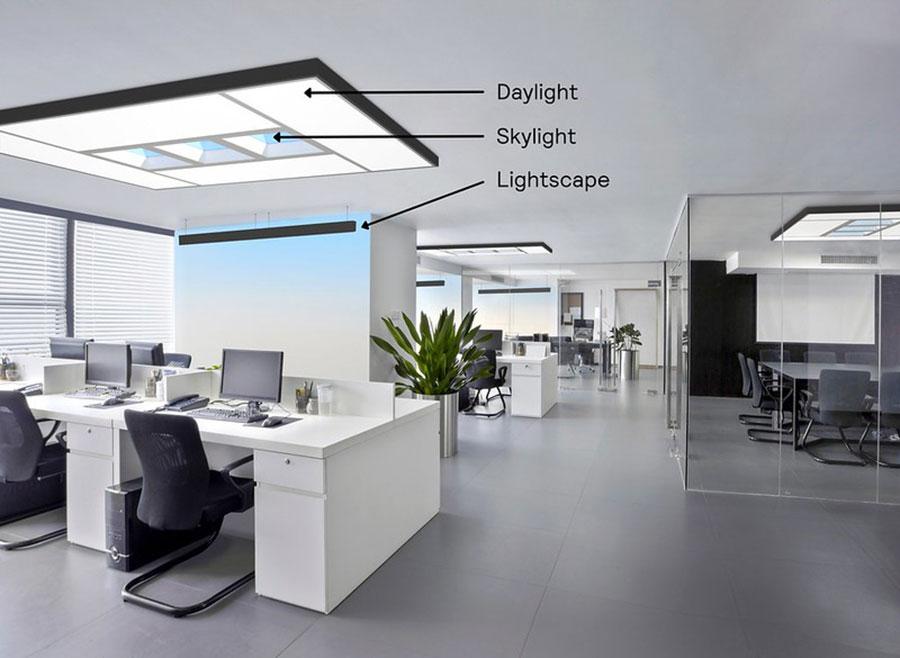
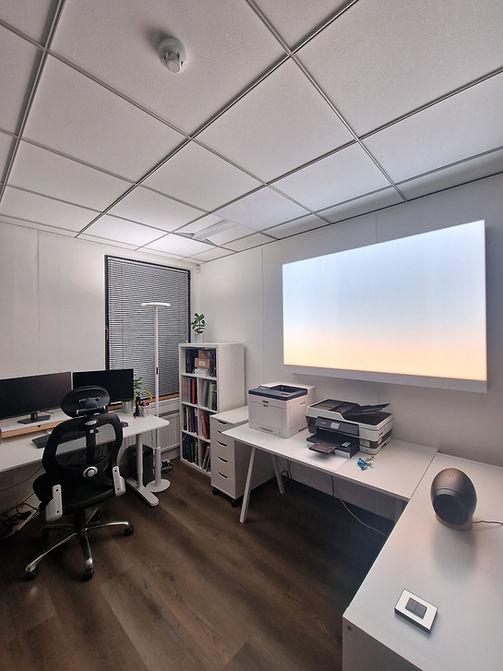
In office environments, this approach is becoming increasingly popular. Cooler white light is used during working hours to improve focus and alertness, while warmer tones are introduced later in the day to reduce fatigue and support relaxation.
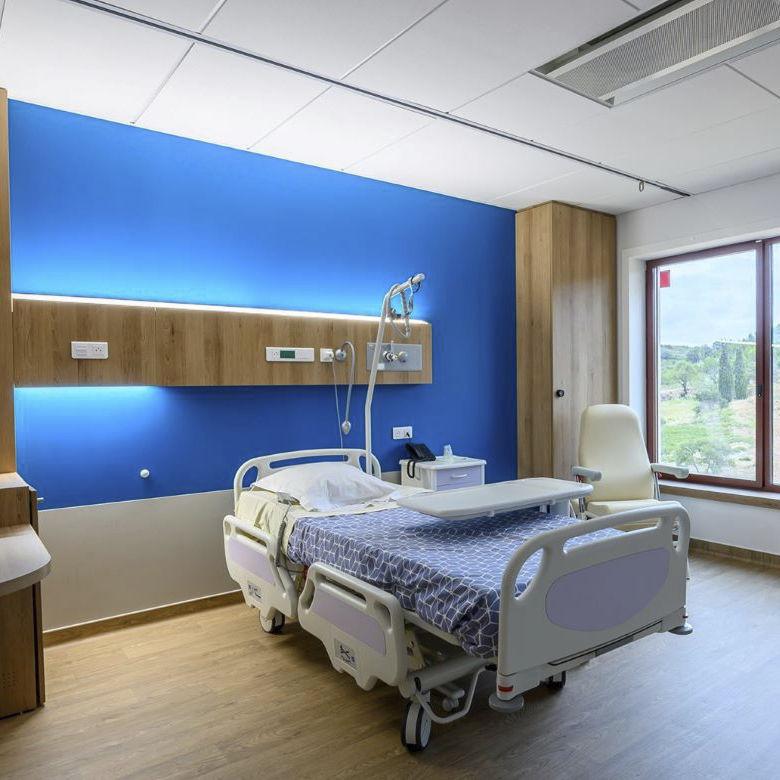
Healthcare facilities are also adopting this technology. Hospitals use dynamic lighting systems that simulate natural daylight cycles to help regulate patient sleep patterns and improve recovery outcomes. This is particularly important in long-term care environments.
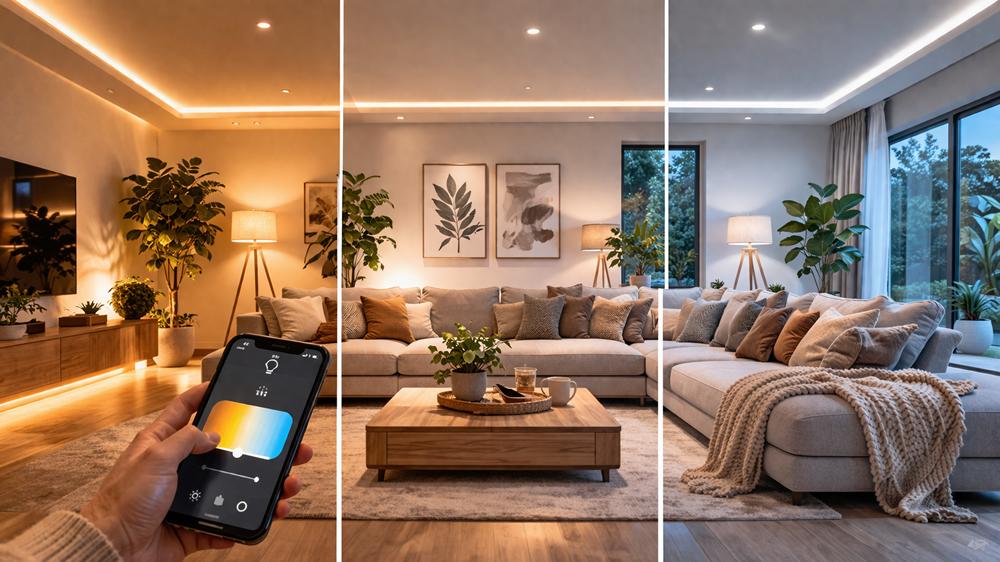
In residential applications, smart lighting systems allow users to customize lighting scenes for different activities such as reading, cooking, or resting. This flexibility improves comfort and enhances lifestyle quality.
Another important aspect is circadian rhythm alignment. Studies show that lighting that follows natural biological rhythms can improve sleep quality and reduce stress levels.
As awareness of wellness grows, demand for tunable white LED systems and smart lighting controls is expected to increase significantly across global markets.