Energy Efficiency Pays For Itself
LED lights are far more efficient than previous lighting technologies, leading to a huge difference in the amount of power used per fixture. A 500-watt LED stadium light can replace a 1500-watt metal halide stadium light, in effect saving 1000 watts per light plus the power drained by the original ballast. Now you have a light using about one third of the power of the previous metal halide light. Considering that stadium lighting usually consists of multiple fixtures on multiple poles, the power saving is tremendous. Swapping out 40 total fixtures would end up saving around 40,000 watts of power.
Installation of brand-new lights, especially when it covers an entire stadium or more, can be a massive cost. To recoup those costs, you need a number of benefits that pays for itself. The energy efficiency of LEDs is a clear benefit that can ultimately pay for itself.
LEDs draw a tiny fraction of energy compared to the other types of bulbs used in large floodlights. With every energy bill, you will save large swathes of money. The longer-lasting bulbs will, as well, save money the longer you have them installed. The sooner you switch over to LED, the sooner you can stop the expensive bleeding that is your lighting bill.
Long Life and Low Maintenance
LED light fixtures have much longer lifespans then any of the older lighting technologies. Some are rated for more than 100,000 hours. At 6 hours every night, 7 nights every week, this covers more than 45 years. In that time frame, a metal halide bulb would likely need to be replaced 8 or more times. Depending on the ballast used, they might be replaced every 2-3 years; or if you are really lucky, they might last 10 years, meaning you would still be replacing the ballast 4 times. Bulb and ballast replacement costs just add to the lifetime cost of these older technologies.
Speaking of a positive impact on your wallet, LED stadium lights are a great deal more durable and require a much lighter touch to maintain than other traditional lights
Naturally no system is without issues, especially out in the field where thousands of variables can affect things. That said, LEDs don't need intricate maintenance or frequent replacement in comparison to older lights. Still do keep an eye on surge control systems, those do need maintenance and replacing every 5-10 years. Keeping those working is more than enough to stay ahead of problems.
Dimmable
LED Stadium Lights offer simple 0-10v dimmable solutions for stadium lighting. Different events may require different lighting, even within the same venue. Some events even need different lighting over the course of the event as it progresses from dusk to full nighttime. With dimming capable lights, the ability to adjust the lighting on the fly is possible. Not only does this help provide different end results with the same light, but can also help reduce energy costs by using less power when the lights are dimmed.
Integrated Power Supply
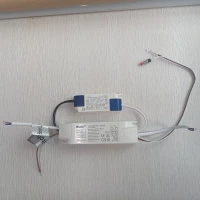
There is no external ballast to increase the usage of energy, which makes these lights energy and cost-efficient. This also helps keep LED stadium light fixtures compact and lightweight compared to an HID stadium light. For example, a 1500-watt metal halide stadium light would likely be around 55-60 pounds, while the comparable 500 watt LED Stadium Pro Light weighs only 35 pounds, around 40% lighter.
Reducing Light Pollution
While larger, commercial stadiums are deep in the downtown areas of major cities, many other types of stadiums are in residential neighborhoods. This makes light pollution a major concern for communities that have nearby people eager to get a good night's sleep. LEDs have a drastic reduction in light pollution. The precision focus of the LEDs gives coverage where you need it, with a lot less spillover into the surrounding areas and night sky.
With LEDs, late-night games won't be shining out into the windows of nearby homes, keeping up residents and turning a supportive community against you. With sports stadiums often being a great central hub of pride for a smaller community, it is great to pay it back by keeping their own needs in mind.