LED Supply Chain Evolution: From Manufacturing to Global Smart Sourcing

The LED industry has moved far beyond simple manufacturing competition. Today, the real advantage lies in supply chain integration, customization capability, and global sourcing efficiency.
In the past decade, LED production has become highly centralized in Asia, particularly in China. However, instead of competing purely on cost, leading manufacturers are now focusing on value-added services such as OEM/ODM customization, rapid prototyping, and flexible production scaling.
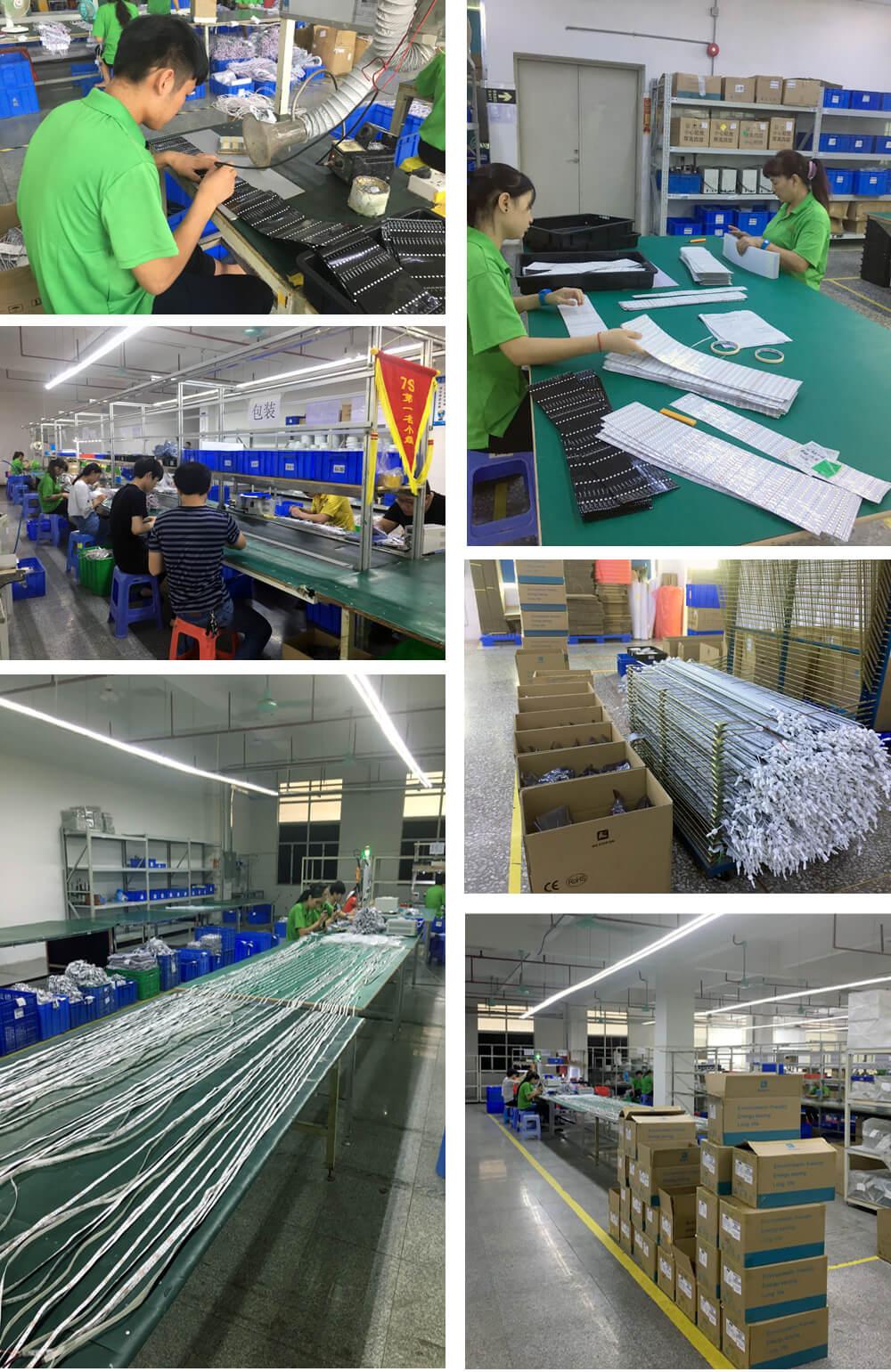
Modern LED factories are no longer just assembly lines. They are integrated production ecosystems combining SMT (Surface Mount Technology), optical design, thermal engineering, and smart driver development. This integration allows manufacturers to respond quickly to market-specific requirements such as voltage standards, certifications, and environmental regulations.
Global buyers are also changing their sourcing strategies. Instead of relying on single suppliers, many companies now build diversified supply chains to reduce risk. This includes sourcing components from multiple regions and maintaining backup production lines for critical product categories.
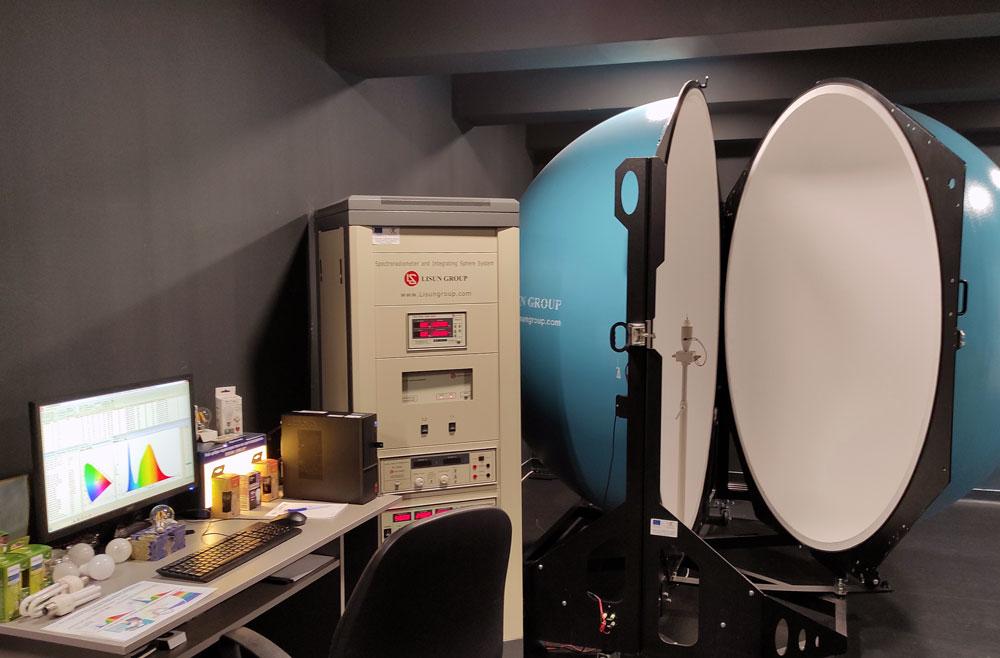
Quality control has become another major differentiator. Advanced testing systems such as integrating spheres, thermal shock chambers, and aging tests are now standard in professional LED factories. These processes ensure long-term stability, especially for commercial and industrial applications.
Logistics and packaging optimization also play a crucial role. Since LED products are often fragile and high-volume, efficient packaging design can significantly reduce shipping costs and damage rates.
In the future, LED supply chains will become even more digitalized, with ERP systems, real-time tracking, and AI-based demand forecasting playing a central role.