Light Up the Season: Crafting a Warm and Festive Outdoor Christmas Display with Professional Lighting Design
As December approaches each year, a familiar sense of anticipation begins to fill neighborhoods. For many homeowners, creating a warm and dazzling festive atmosphere is one of the most joyful rituals of the year. While strings of Christmas lights can instantly transform a home's character, the true magic lies in meticulous planning and the support of high-quality architectural-grade fixtures. When all elements harmonize, your entire outdoor space can radiate a bright, welcoming glow, perfectly embracing the holiday spirit.
We understand that exceptional holiday outdoor lighting results from the marriage of thoughtful design and durable hardware. From outlining classic rooflines to installing professional-grade tree uplighting that makes garden trees sparkle, each detail works together to weave a captivating holiday scene you can enjoy throughout the season.
Here is a complete guide, from design to installation, to help you create a stunning outdoor holiday light show using reliable fixtures and easy-to-understand techniques.
Step 1: Plan Like a Designer – Create Your Lighting Blueprint
Before hanging the first string of lights, put on your lighting designer hat and carefully assess your home during daylight hours. Walk around and note the compelling lines, textures, and architectural features. This step lays the foundation for a balanced and elegant lighting effect.
Assess the Architecture: Observe rooflines, porches, windows, columns, and any unique details. These areas are often prime candidates for accent lighting using outdoor spotlights or wall wash lights. Even simple eaves can look supremely elegant with uniformly spaced lights of consistent brightness.
Identify Focal Points: Not every area needs illumination. Select a few key features, such as:
Tall trees or distinctive shrubs
Walkways and entrance paths
The front door and porch area
Landscape beds or sculptures
Stone walls or decorative columns
Focusing on highlights helps prevent a cluttered look and creates a professionally designed artistic feel.
Conceptualize Color & Calculate Load: Decide if you prefer warm 3000K white, cool 4000K white, or vibrant multicolor lights. Simultaneously, estimate the total wattage of all planned fixtures and light strings to ensure circuit safety and avoid overloads.
Plan for Safety & Aesthetics: Planning ahead not only saves time but also ensures the final lighting layout appears balanced and beautiful from any angle-whether viewed up close or from the street.

Step 2: Choose Your Foundation – Invest in High-Quality Outdoor Fixtures
Not all outdoor fixtures are created equal. Quality is paramount during the holidays, with cold, wet conditions and long hours of operation. High-quality durable commercial-grade outdoor spotlights can make your decorations brighter, longer-lasting, and more sophisticated.
Why Fixture Quality is Key:
Durability, weather resistance, and light output are core to outdoor lighting. Low-quality fixtures may fade, develop faulty connections, or fail outright in cold, damp environments. Choosing commercial or architectural-grade products ensures bright, stable illumination throughout the season.
The Role of Benwei: A Synonym for Reliability
We specialize in designing and manufacturing a full range of customized architectural-grade fixtures aimed at creating your optimal outdoor lightscape. Our products are trusted by architects, designers, and homeowners who value performance and aesthetics. Whether for seasonal decorating or permanent landscape enhancement, high-performance fixtures make a world of difference.
Comparison of Fixture Types for Christmas Decor
| Fixture Type | Key Characteristics | Ideal Application | Creates This Effect |
|---|---|---|---|
| Spotlight | Narrow beam angle, highly directional, high intensity. | Accentuating trees, wreaths, decorations, architectural relief. | Dramatic shadows, highlights texture, adds depth. |
| Path Light / Spike Light | Soft downward light, flexible installation. | Illuminating walkways, driveway borders, guiding sight and steps. | Ensures safety, adds a warm, guiding ambiance. |
| In-Ground Uplight | Recessed into ground, minimalist look, upward light throw. | Uplighting tree trunks, wall textures, flagpoles, sculpture bases. | Creates a mysterious, dramatic "moonlight" effect; looks clean and professional. |
| Wall Wash Light | Wide beam angle, spreads light evenly. | Washing large areas like building facades, fences, walls; creating a decorative backdrop. | Forms a soft blanket of light, evenly revealing wall texture and color. |
| Linear Light Strip | Flexible or rigid strip lighting, highly malleable. | Outlining rooflines, window frames, railings, steps. | Clearly defines architectural lines, creates a modern, fluid visual effect. |
Choosing durable fixtures, like those manufactured by Benwei, is the foundation for ensuring your display stays bright and reliable all season long.

Step 3: Define Your Style – Choose Your Holiday Lighting Theme
This is the step to express personality. Your lighting style sets the tone for the entire display.
Classic White Theme: Timeless. Warm white light accentuates architectural contours, offering a clean, classic feel. It pairs perfectly with spotlights, in-ground lights, and wall washes, especially when combined with greenery and wreaths.
Vibrant Color Theme: Ideal for a lively, cheerful holiday mood. Traditional red/green, elegant gold/blue, or multicolor combinations work well. The key is restraint-use color in a few selected zones rather than everywhere to maintain a clear, sophisticated design.
Modern Minimalist Theme: Emphasizes "less is more." Utilize a smart-dimming patio light system to create soft glows and precise accent lighting. A single tree highlighted by a spotlight, combined with gentle wall washing on the porch, can fashion a stylish, serene, and festive outdoor space.
Step 4: Work the Magic – Highlight Core Outdoor Elements
Excellent holiday lighting aims to celebrate the unique beauty of your home.
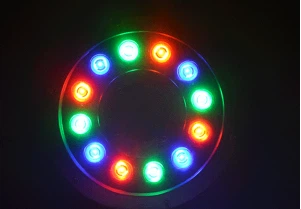
Bring Plants to Life: Use in-ground uplights or adjustable spotlights to make trees and shrubs the stars. Upward light emphasizes height and foliage texture.
Sculpt Architectural Details: Stone columns, brick walls, arches, and eaves are natural canvases for light and shadow. Uplight highlights material, while downlight casts elegant shadows.
Employ Layers of Light: Combining uplighting (to highlight structure) with downlighting (for function and ambient light) greatly enhances a space's three-dimensionality and depth.
Strive for Balance & Symmetry: Ensuring roughly equal light intensity and distribution on both sides of the house makes the display appear more professional and harmonious.

Step 5: Technical Deep Dive – Ensuring Safety, Efficiency, and Intelligence
A great experience is built on safety and convenience.
Embrace LED Technology: Modern LED Christmas light strings are extremely energy-efficient, generate little heat, and have long lifespans, making them ideal for holiday lighting.
Prioritize Electrical Safety: Use outdoor-rated, GFCI (Ground Fault Circuit Interrupter) protected outlets. All connections should use waterproof connectors, and cables should be secured off the ground and away from pooled water where possible.
Leverage Smart Controls: Timers or a smart-dimming patio light system enable automatic on/off schedules, brightness adjustment, and even color changing. This saves energy and significantly adds convenience and fun.
Trust Commercial-Grade Quality: Fixtures like those from Benwei, featuring die-cast aluminum housings, corrosion-resistant finishes, and UV-resistant PC lenses, are built to withstand rain, snow, and wind, avoiding maintenance headaches from equipment failure.

Step 6: Professional Installation – Perfecting the Details
Quality installation is the guarantee of the final result.
Use Proper Accessories: Always use plastic light clips or cable ties designed for the purpose, never nails or staples, which can damage wire insulation.
Maintain Neat Cable Runs: Route cables along architectural edges, seams, or dedicated channels to avoid crossing lines or creating tripping hazards.
Test Before Final Fixing: Conduct a power test before securing all fixtures in place to ensure every light works correctly.
Secure Anchoring: Ensure all spike lights and mounting clips are firmly installed to withstand winter winds.
Step 7: Final Adjustments – The Finishing Touch
Once everything is installed, step back to the street at night to review your work.
Check for Layering: Do the path lights, accent lights, and outline lights create distinct layers that form a rich visual?
Assess Balance: Are there areas that are too dark or overly bright? Make subtle adjustments.
Unify the Design Language: Ensure all lighting shares a consistent color temperature and brightness style for a cohesive overall feel.
FAQ
1. Q: I want a professional Christmas lighting look but have a limited budget. Where should I prioritize my investment?
A: We recommend following the "foundation first, upgrade gradually" principle. First, invest in one or two sets of high-quality durable commercial-grade outdoor spotlights (like Benwei's narrow-beam spots) to illuminate the most important tree or architectural feature by your entrance. This immediately elevates the overall quality. Second, ensure you have a reliable, LED roof outline string. Finally, consider supplementary elements like path lighting. Prioritizing quality lighting for core areas yields far better results than covering the entire house with cheap lights.
2. Q: The Benwei outdoor spotlights I bought are labeled as waterproof. Is it okay to install them in snow or if they get directly rained on?
A: Benwei's architectural-grade fixtures typically have high IP (Ingress Protection) ratings (e.g., IP65 or IP67), indicating resistance to dust and jets of water or temporary immersion. This means they can handle rain, snow, and normal sprinklers. However, to ensure maximum safety and lifespan, we recommend avoiding prolonged submersion in standing water. During installation, orient the fixture's wiring port facing downward or horizontally to prevent water ingress. Regularly clearing away heavy snow buildup is also good practice.
3. Q: What's the biggest challenge for a DIYer installing a decent holiday lighting system?
A: For DIYers, the two biggest challenges are typically: 1) Circuit Planning and Safety, requiring calculation of total load, using appropriate gauge extension cords and protected outlets to avoid overloads; and 2) Achieving Professional-Looking Results, i.e., hiding wires, distributing light evenly, and avoiding harsh glare. The solution lies in detailed upfront planning (Step 1) and using accessories designed for clean installation, such as cable clips and waterproof connection boxes. Start by practicing on one or two focal points and build experience gradually.
Notes & Sources:
Principles for creating layers and focal points in outdoor lighting design are referenced from foundational design theory in the residential lighting chapter of the Landscape Lighting Handbook.
Comparative data on energy efficiency and lifespan between LED and traditional incandescent lights is sourced from the Solid-State Lighting Technology report published by the U.S. Department of Energy (DOE).
Outdoor electrical safety standards refer to regulations concerning fixture protection ratings (IP Code) in the Chinese National Standard *GB 7000.1-2015 Luminaires - Part 1: General requirements and tests*.
The step-by-step lighting design techniques synthesize common methodologies shared in residential project practices by members of the International Association of Lighting Designers (IALD).