Let's be honest: a lot of the goods that are available now are costly and environmentally harmful. Making wise decisions regarding the lighting in our houses and places of employment involves more than simply aesthetics; it also involves longevity and effectiveness.
A new era of creativity and sustainability is being ushered in by LED bulbs. But it's important to comprehend and prolong the life of these bulbs if you want to fully profit from LED technology.
Understanding LED Light Bulbs' Lifespan
One of the standards for an LED bulb's design and technological benefits is its longevity. LED bulbs have lifespans that can reach into the tens of thousands of hours, in contrast to conventional incandescent bulbs that may die after just 1,000 hours of operation.
What does this signify, however, for the typical consumer? Simply simply, an LED bulb can illuminate your room for years or even decades if it is properly maintained. However, a number of variables, including the working environment and the bulb's construction quality, affect this longevity.
Heat control has a significant impact on LED bulb lifespans. In order to emit light without generating a lot of heat, these bulbs work by conducting current through a semiconductor substance.
However, any heat produced must be effectively dispersed. The essential components of high-quality LED bulbs are protected by heat sinks that efficiently remove heat. A longer and more dependable service life is promised by an LED bulb that is well-designed and skilled at controlling heat.
Common Misconceptions About LED Bulb Longevity
The idea that LED bulbs are unbreakable is a prevalent misconception. They are not impervious to wear and tear, even if they are more resilient than conventional bulbs. An LED bulb's lifespan can be shortened by factors like incorrect installation, exposure to moisture, and voltage fluctuations.
Additionally, buyers may be misled by the false belief that all LED lights have the same lifespan. In actuality, depending on the manufacturer and component quality, these bulbs' lifespans might differ greatly. Select LED bulbs from reliable companies that make investments in premium components and thorough testing for the best outcomes.
"Invincibility is not the same as durability. Making informed decisions goes beyond the store; constantly seek for premium LED lights.
What Are They Called LED Corn Bulbs?
There are many different types of LED bulbs, and each is appropriate for a variety of uses and tastes. Due to their unique shape and potent performance, LED corn bulbs are among the greatest options available.
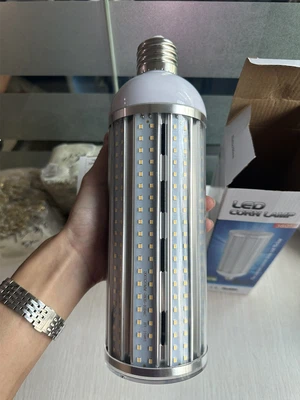
These bulbs, so named because they look like an ear of corn, have rows of LED lights that illuminate in all directions. Because of its high lumen output, LED corn bulbs are a great option for outdoor lighting systems and vast spaces that require constant, strong light.
In addition to corn bulbs, there is a wide range of LED lighting options available, ranging from high brightness LED bulbs that brighten any space without using a lot of energy to LED flood light bulbs that illuminate large areas with their wide beam angle. Each type fulfills a specific function, meeting various lighting requirements while providing the advantages of LED technology, such as longevity, efficiency, and a less environmental impact.
Tips for Extending LED Bulb Lifespan
A comprehensive strategy that incorporates correct installation, careful maintenance, considerate environmental factors, and intelligent control use is necessary to ensure the longevity of your LED lights. These techniques, when combined with the use of high-quality bulbs, can greatly extend the life of your LEDs, making them a dependable and affordable lighting option for your house or place of business. Here's how to extend their lifespan.
Appropriate Installation Methods
Make Sure the Voltage and Wattage Are Correct: Make sure the LED bulb is always the right voltage and wattage for the fixture. A bulb's lifespan may be shortened if it is used with a higher power than the fixture can manage due to overheating.
Do not overtighten Lightbulbs: Tighten the LED bulbs just enough to make sure they are in place. Excessive tightening might harm the socket or base of the lightbulb, resulting in weak electrical connections and a shorter lifespan.
Environmental Factors
Ideal Operating Temperatures: Conditions that are neither too hot nor too cold are ideal for LED performance. The electronic components in the lightbulb may be impacted by extreme temperatures, which will reduce their longevity and efficiency.
Protection from Humidity and Moisture: LED bulbs may suffer from damp or wet circumstances. Choosing LED bulbs with an IP65 classification guarantees that they are shielded from dust intrusion and low-pressure water jets coming from any direction when used outdoors or in wet locations (such as restrooms).
Procedures for Maintenance
Frequent Cleaning of Fixtures and Bulbs: Debris and dust can build up inside fixtures and on bulb surfaces, impairing performance and possibly causing the bulbs to overheat. To ensure the best possible light output and efficiency, gently wipe down your LEDs and fixtures on a regular basis using a dry cloth.
Steer Clear of Frequent On-Off Cycling: LEDs are more resilient to frequent switching than incandescent lights, but turning them on and off too much can still reduce their efficiency. Take into account your usage habits and try to reduce needless cycling.
Controls and Dimming
Use Dimmer Switches That Are Compatible: Not all LED Corn bulbs work with conventional dimmer switches. Flickering and shorter bulb life can result from using an unsuitable dimmer. To prevent these problems, make sure your dimmers are made especially for LED use.
Using Gradual Dimming Smart Lighting Controls: LED bulbs can last longer when smart lighting systems with gradual dimming capabilities are used. These technologies extend the life of the lightbulb by preventing abrupt fluctuations in current.
Superior LED Lighting
Seek Out High-Quality Parts: An LED bulb's lifespan is influenced by the caliber of the parts that go into it. Superior semiconductors and heat sinks are used in high-quality bulbs to better manage heat, which is essential for prolonging bulb life.
Check for Warranties: Longer warranties are frequently offered by manufacturers who are confident in the performance and longevity of their LEDs. A warranty is a measure of a product's quality as well as a guarantee of replacement.
How Can You Tell if an LED is Good Quality?
To identify a high-quality LED bulb, look for a few things:
Brightness and Color Accuracy: High-quality LEDs consistently produce bright light and render colors accurately.
Ratings of Efficiency: Seek out light bulbs with a high lumens-per-watt ratio, which means that less energy is used to create more light.
Heat Sink Design: One of the most important factors in extending the life of LED bulbs is their well-designed heat sinks, which effectively dissipate heat.
Certifications: A bulb bearing a certification such as Energy Star or DLC (DesignLights Consortium) indicates that it satisfies stringent requirements for longevity, quality, and efficiency.
The reputation of the manufacturer Select lightbulbs from reliable producers who are renowned for their high-quality goods and attentive customer support. Ratings and reviews can provide information on product dependability and customer experiences.
You can extend the life of your LED bulbs and take advantage of their best performance and energy efficiency by incorporating these suggestions and insights into your strategy.
How to Avoid Common Mistakes
Because of its endurance and efficiency, LED lighting technology is a smart choice. However, avoiding several common hazards is necessary to ensure the longevity of your LED lights. You can take advantage of all that LED lighting has to offer by avoiding these common mistakes.
Inappropriate Use Cases
LED bulbs produce heat even though they are cooler than incandescent bulbs when used in enclosed fixtures without adequate ventilation. This heat can be trapped in enclosed fixtures with inadequate ventilation, shortening the life of the lightbulb. To avoid overheating, always make sure your Corn LED bulb is rated for enclosed fixtures.
Exceeding Maximum Load Capacity of lights: When it comes to lights that can hold several bulbs, it's just as crucial to make sure you don't exceed the maximum load capacity of the fixture as it is to match the wattage of the bulb to its capacity. Electrical risks and overheating can result from overloading.
Bad Installation: Verify that the electrical environment is stable and that the bulbs are firmly in place without being overtightened. Voltage variations can damage LEDs just as much as physical abuse.
Consult an Expert
Speaking with an expert when in doubt can help you steer clear of expensive blunders. The guidance of an expert can be quite helpful when selecting the ideal lightbulb for your area or resolving installation problems. This is particularly valid when using smart home technology or intricate lighting configurations.
Long-Term Benefits of LED Light Bulb Maintenance
In addition to extending their lifespan, maintaining your LED bulbs has major long-term advantages that go beyond simple financial savings.
Savings on expenses
Lower Maintenance and Replacement Costs: Over time, well-maintained LED bulbs require fewer replacements. Significant savings may result from this decrease in turnover, particularly in commercial or industrial environments where the size of lighting systems drives up expenses.
Benefits of Energy Efficiency Over Time: LEDs are already known for their efficiency, turning a larger proportion of energy into light instead of heat. Maintaining the bulb properly maximizes energy savings over its lifetime by preserving its efficiency.
Effects on the Environment
Reducing Electronic Waste With Longer-Lasting Bulbs: We can significantly reduce electronic waste by prolonging the life of each LED light. In the modern world, where e-waste is becoming a bigger environmental problem, this is essential.
Reduced Carbon Emissions As a result of their lower energy use, LED bulbs are significantly contributing to the shift to a future with reduced carbon emissions. Because of their higher energy efficiency, power plants use less energy and emit fewer carbon emissions.
Over time, this advantage is increased, particularly when paired with renewable energy sources.
Maintaining and improving your LED lighting is a commitment to environmental and economic sustainability, not just making sure your space is well-lit. Making wise decisions and staying clear of typical traps becomes increasingly crucial as our knowledge and application of LED technology develops.
In addition to saving money, this proactive strategy helps to create a better planet.
How to Choose the Best LED Light Bulbs
There is more to choosing the ideal 400W LED Corn light bulbs for your room than simply picking the brightest model or the first one you see on the store. You may make an informed choice that exactly suits your needs if you are aware of the subtle differences between wattage, lumens, color temperature, energy efficiency, longevity, and base types.
Here is a comprehensive guide to help you sort through the vast array of choices:
Type of Base
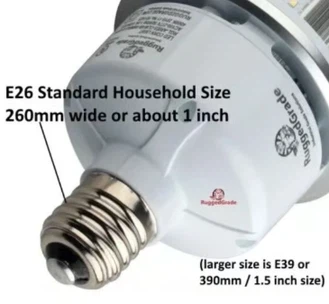
What distinguishes the base types E26 and E39 from one another?
How a bulb attaches to the lighting fixture depends on its base type. The majority of light fixtures in homes use E26 bases, sometimes referred to as Medium or Standard bases. Larger E39 bases, sometimes referred to as Mogul bases, are usually found in commercial or industrial environments. The bulb will fit and work properly in your fixture if you select the right base type.

Lumens and Wattage
Definition of Wattage vs. Brightness (Lumens): Historically, we have connected a bulb's wattage to its brightness. Wattage, on the other hand, is a measurement of energy use rather than brightness. Lumens are used to quantify brightness in LED bulbs. As a result, when selecting an LED bulb, consider lumens to gauge its brightness. A brighter bulb is indicated by a higher lumen count.
Selecting the Right Brightness Level for Various Areas: Different brightness levels are needed in different parts of your house or place of business. The kitchen or study may require a brighter, more energizing light (1600 lumens or more), while a bedroom may benefit from a cozier, warmer light (around 800 lumens).
Temperature of Color
Knowing the Kelvin Scale and How It Affects the Appearance of Light: The Kelvin (K) scale is used to quantify color temperature, which influences how warm or cool an LED bulb's light appears. Higher Kelvin numbers create a cooler, bluer light that is better for task lighting and concentration, while lower Kelvin numbers produce a warmer, yellower light that is appropriate for calm, comfortable settings.
Choosing the Proper Color Temperature for the Ambience You Want: To create a cozy and welcoming ambiance, choose light bulbs that fall between 2700K and 3000K. Choose light bulbs with a 4000K rating for a more neutral and stimulating atmosphere. Workspaces and other locations that need excellent focus and visibility should use lightbulbs with a color temperature of 5000K or above.



Our address
No. 5-3 Niujiao Road, Yanchuan Community, Yanluo Street, Bao'an District, Shenzhen
Phone Number
+86 18659785153
bwzm04@ledbenweilighting.com