Must the classroom be modified with eye protection lights?
With the continuous development of educational informatization, education has changed from a single teaching method of desks, blackboards, and book plane reading to computer screens, large standard projection screens, situational education and other visual and audio media education methods. Students study and live in such a complicated visual environment for a long time every day, and the increasing proportion of myopic students in the population of primary and secondary school students in my country has become an indisputable reality. Traditional school classroom lighting methods and school classroom lighting design are obviously lagging behind the development and demand of today's classroom education.
Therefore, how to protect students' vision health: creating a scientific, comfortable, pleasing and conducive visual environment for students has become an urgent need. The lighting design of the classroom is mainly considered from the following aspects:
1. The lighting area of the desk and blackboard should be considered.
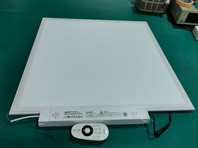
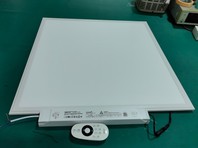
2. According to the standard of the classroom, choose the standard and quantity of LED eye protection lamps and blackboard lamps suitable for the classroom.
3. Pay attention to the equipment and anti-glare debugging and design of the classroom lights, and the minimum hanging height of the lights from the class desk should not be less than 1.7M
After the transformation, the light source adopts optical anti-glare design, soft light, no glare, no eye damage, no light stroboscopic damage, to ensure eye comfort. High color rendering index, strong color reproduction, close to natural light. The lamp is perpendicular to the blackboard, professional lighting design, illuminance and uniformity of illuminance are better than national standards. With the same illuminance, it can save electricity by more than 50%, the light source has an average life span of 30,000-50,000 hours, low light decay, low protection cost, no mercury, lead and other harmful substances, recyclable materials, energy saving and environmental protection.