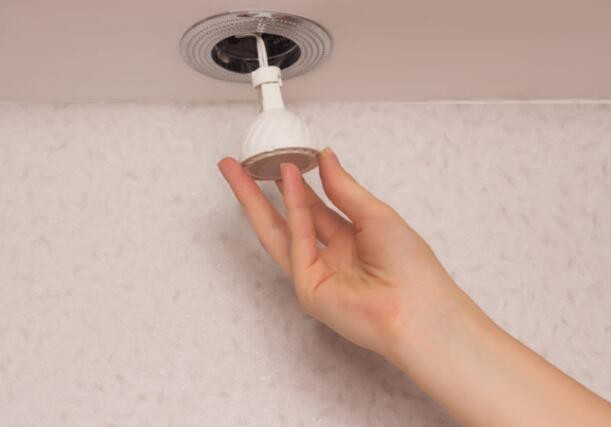
The Pros of Recessed Lighting
Recessed lighting has many advantages that make it a great choice for your next lighting installation. When it comes to interior design, it’s an unobtrusive, effective way to light your spaces with class. If you install recessed lights in the right rooms, you’ll be quite happy with its unique benefits.
Recessed lighting is perfect for low ceilings. The simple fact that the lights are built straight into the ceiling make them an effective application for any room or space with low clearance. Recessed lights are especially helpful if you’re concerned that you or anyone else might knock their head on any hanging fixture such as a chandelier. This is perfect for bathrooms and hallways, where you want as much open space as possible. As an added bonus, they also help make the room look bigger by freeing up more space.
Another great benefit you’ll get from installing recessed lights is clear, focused light you can use as part of your overall room design. As an example, you can utilize recessed lights for displays of artwork or antiques that serve as strong design elements in your overall interior design. The spotlight effect that you can achieve with recessed lights also helps you illuminate reading areas, work desks, or dining tables where strong, clear light is necessary. When you have a well planned space, you can use recessed lighting to aid how each part functions.
Recessed lights are wonderful for kitchens too. The unobtrusive, directed light you get from recessed fixtures is perfect for culinary spaces, where you need strong light on areas like counters, islands, stoves. Any place where you do prep work, cooking, or home crafts is a great area for recessed lighting.
Also, recessed lights are great for bathrooms, especially above showers where you need a waterproof fixture that can withstand high amounts of moisture. If you want a light in your shower, recessed lights are practically essential, as you don’t want an unsafe hanging or extruding fixture that will get in the way.
The Cons of Recessed Lighting
One downside of recessed lighting is the possible energy efficiency problems they might create in your home or business. To install recessed lighting, you have to cut holes in the ceiling and sometimes parts of the walls, which then become potential areas that air can leak in and out of your house. In hot or cold climates, this could be a potentially expensive energy problem, one that may not be worth it when weighed against the benefits of recessed lighting. When the recessed lights are installed correctly, it’s typically not an issue, but if they’re not you could be paying for it in the long run.
Another problem is what designers call “the cave effect.” Essentially, this occurs when there are a handful of concentrated bright spots in a room (that may come from the direct beam of a recessed light), but all the space along the wall stays comparatively dark. For some spaces, “the cave effect” might create just the mood you’re looking for, but for many others it might be distracting and take away from the room’s aesthetic quality.
This leads us to our next potential issue. To downplay “the cave effect,” you often have to install quite a few recessed lights in every room, sometimes more than ten. This can often be very expensive, and also increases the chance that you’ll have an energy efficiency issue when you’re cutting holes in your ceiling. When you factor in the cost of the fixtures with the risk of exposing your space to possible air leaks, it might not be worth making the investment to recessed light fixtures.
Is Recessed Lighting Right for Me?
When it comes to making a final decision on recessed lighting, your best bet is to weigh the pros and the cons and see how they apply to your particular space and its needs. For some applications, such as movie theaters, kitchens, bathrooms, and art galleries, recessed lighting can be a great option.
For other spaces, recessed lighting may not be the best option. This could include living rooms, dining rooms, bedrooms, and more.