

To maintain safety and visibility during power outages, crises, or evacuations, emergency lighting is used in a variety of settings. The following are the main locations where emergency lighting is necessary:
1. Hallways and corridors in commercial and office buildings: To direct residents to exits in a safe manner.
Stairwells: To provide a safe descent in case of an emergency.
Elevators: To provide illumination in the event of an entrapment or power outage.
Open office spaces: To let individuals find their way out and avoid panic.
2. Residential and Public Structures
Apartment Buildings: in public spaces such as stairwells, corridors, and lobbies.
Hotels: In emergency exits, stairwells, and visitor hallways.
Shopping malls: To direct customers to safety, use lanes, exits, and spacious open areas.
3. Manufacturing Establishments
Warehouses and Factories: In spacious work rooms, storage spaces, and exits.
Power plants: To provide a safe evacuation in the event of a power outage or equipment breakdown.
Chemical Plants: To provide visibility in potentially dangerous circumstances.
4. Medical Facilities
Hospitals and Clinics: To provide continuous treatment and a safe evacuation, in operation rooms, patient rooms, corridors, and emergency exits.
Nursing homes: To help individuals who are old or handicapped in times of need.
5. Academic Establishments
Schools and Universities: To direct employees and students to safety in assembly areas, halls, stairwells, and classrooms.
Libraries and labs: To provide a secure escape in the event of a power outage.
6. Places for Recreation and Entertainment
Aisles, exits, and auditoriums are used by theaters and movie theaters to direct patrons in case of an emergency.
Sports stadiums: In the concourses, exits, and seating sections.
Swimming pools and gyms: To provide a safe escape in dangerous or low-light situations.
7. Hubs for Transportation
Airports: In boarding gates, emergency exits, and terminals.
Train and bus stations are located in tunnels, waiting spaces, and platforms.
Subway Stations: In evacuation routes and subterranean spaces.
8. Dangerous and High-Risk Locations
Parking garages: To make areas that are enclosed or gloomy more visible.
Underground facilities and tunnels: To direct people to safety in case of an emergency.
Construction sites: To provide a safe evacuation in the event of an accident or power outage.
9. Public Spaces Museums and Galleries: To safeguard guests and treasures in the event of an emergency.
Places of worship and churches: To direct large crowds to the exits.
10. Hallways and staircases in residential buildings: To provide illumination during blackouts.
Garages and basements: To provide safe passage in dimly lit locations.
Any structure or area where people congregate needs emergency lighting to provide visibility and a safe escape in the event of a fire, power loss, or natural catastrophe. In order to safeguard people and property, building rules and safety requirements often require it.

Where are emergency lighting used?
Mar 17, 2025
Send Inquiry
Related Knowledge
-
 Why Does a Cleanroom LED Light Cost Up to 3x More Than a Standard LED Light?16 Oct, 2026
 -
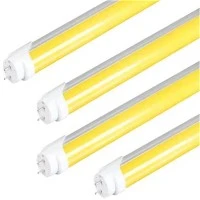 Looking for a T8 Yellow Anti-UV LED Tube That Protects Light-Sensitive Materials?16 Oct, 2026
 -
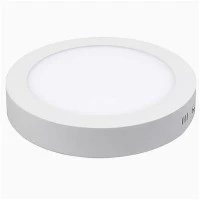 Complete Guide to Ultra-Thin LED Panel Lights: Specs, Lifespan, and IP Ratings15 Oct, 2026
 -
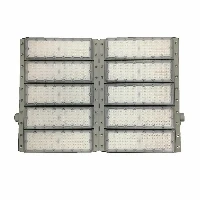 What Does IP66 Really Mean for a 1000W LED Stadium Floodlight?15 Oct, 2026