Which is Better: Direct‑Lit or Edge‑Lit LED? How to Choose the Right Panel Light
When purchasing LED panel lights, many customers are confused: why are there two structures, direct‑lit and edge‑lit, for lamps with similar appearances? Different lighting principles directly affect lamp thickness, glare, heat dissipation, cost and final lighting experience. Many buyers only focus on wattage while ignoring lighting types, resulting in annoying glare, bulky fixtures or insufficient brightness after installation.
1. Core Differences in Lighting Principles
Direct‑lit (Down‑shot Type) LED chips are arranged directly on the back plate of the lamp. Chips face the light‑emitting surface and project light directly without light guide plates. The structure is simple, and LED arrays can be seen. Light outputs in a direct projection way.
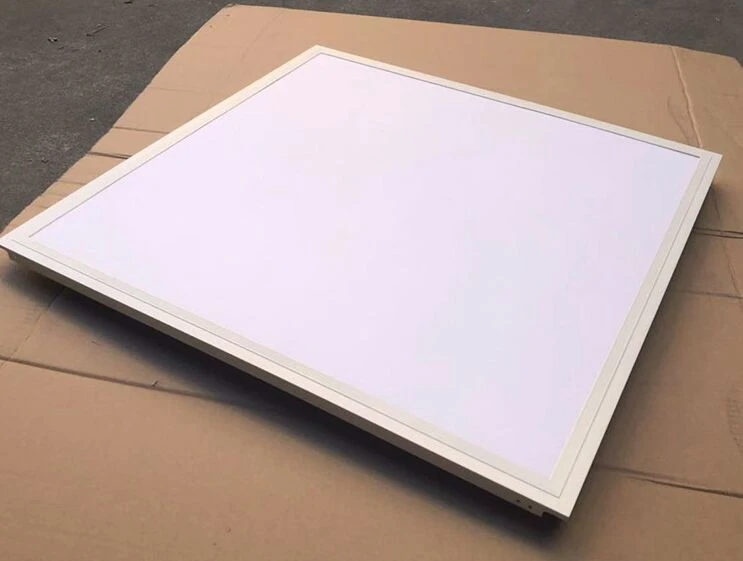
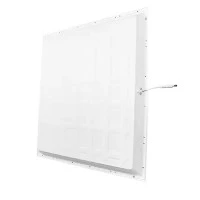
Edge‑lit (Side‑entry Type) LED chips are installed along the side frame instead of facing the output surface. Light enters the light guide plate and goes through repeated refraction and diffusion by light guide plate and diffuser sheet, then emits evenly from the panel. This is the key technology to achieve ultra‑thin lamp design.
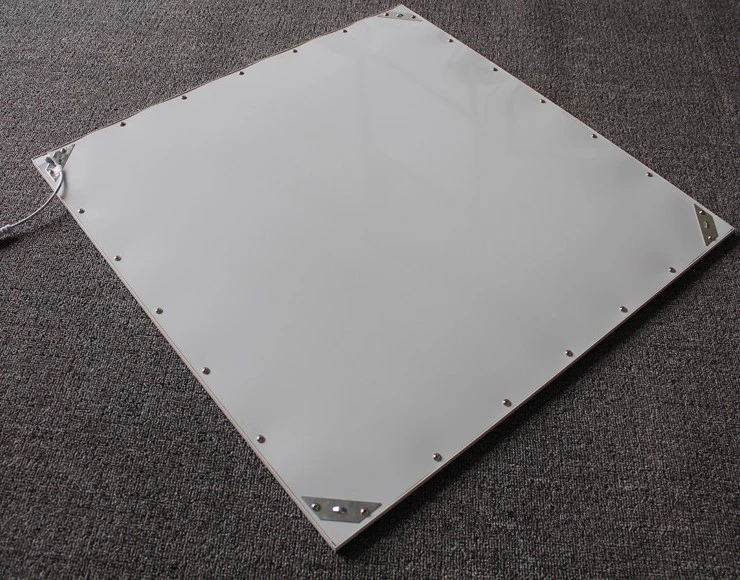
2. Performance Comparison: Direct‑Lit VS Edge‑Lit
| Comparison Item | Direct‑Lit (Down‑shot) | Edge‑Lit (Side‑entry) |
|---|---|---|
| Lighting Principle | LED chips face output surface, light projects directly | LED chips on side frame; light diffuses via light guide plate |
| Luminous Efficacy | 85‑105lm/W, high luminous flux with sufficient brightness | 70‑90lm/W. Light loss occurs during transmission; lower brightness under same wattage |
| Glare Performance | Prone to glare, uncomfortable for direct viewing; dark areas may exist | Light diffused by reflection; soft output with excellent anti‑glare performance |
| Lamp Thickness | 35‑50mm. Internal space reserved for LED arrays | 9‑15mm. Ultra‑thin design to save ceiling space |
| Heat Dissipation | Large total heat generation due to large LED quantity | Less LED quantity brings lower heat burden |
| Material Cost | No light guide plate required; lower overall cost | Light guide plate & reflector film needed; higher material cost |
| Main Drawbacks | Obvious glare; heavy & thick lamp body | Aging light guide plate may cause uneven lighting and spots |
3. Application Scenario Guidance
When to choose Direct‑lit
For general offices, supermarkets and commercial lighting projects with basic requirements for brightness and color rendering. It fits projects with sufficient ceiling depth and limited budget. Direct‑lit panel lights deliver cost‑effective high‑brightness performance. Anti‑glare accessories are recommended to relieve direct glare.
When to choose Edge‑lit
For eye‑care classroom lighting, reading‑oriented environments and ultra‑thin ceiling installations where soft light and anti‑glare are prioritized. Edge‑lit fixtures feature slim profile and gentle light, safe for direct viewing. Please note that poor‑quality light guide plates may turn yellow or produce uneven light spots after long‑time operation.
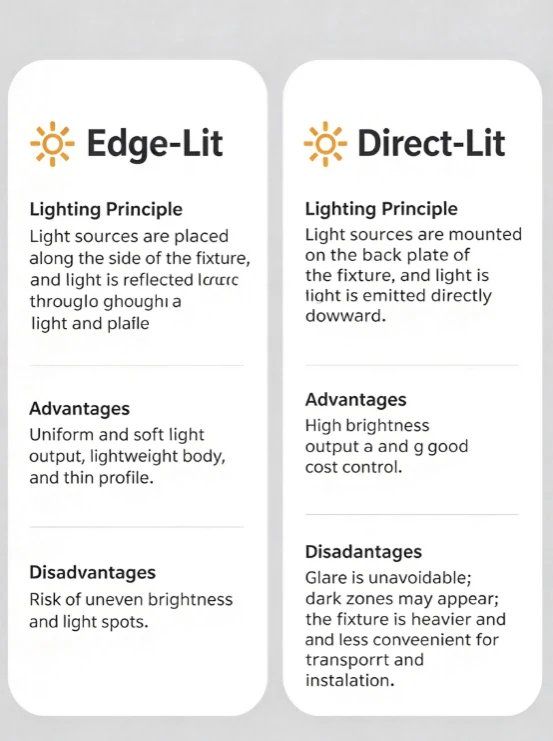
4. Key Tips for Procurement
Many buyers only compare wattage while neglecting lighting structure. At equal wattage, direct‑lit lamps achieve higher brightness yet carry higher glare risk. For edge‑lit products, verify light guide plate quality to avoid spot‑related failures.
- Pick direct‑lit: Sufficient ceiling depth, priority on brightness & cost control
- Pick edge‑lit: Pursue ultra‑thin look, eye‑friendly lighting, limited ceiling space
Conclusion: Neither technology is absolutely superior. The correct selection depends on real‑world application scenarios. Understand parameter differences of direct‑lit and edge‑lit LED lamps to pick fixtures matching your project.
If you are sourcing LED panel lights for your project and confused between direct‑lit and edge‑lit types, feel free to share details including application scenario, target size & wattage, ceiling condition and estimated order quantity. Our technical sales team will provide free professional lighting recommendations and competitive quotations for your reference.