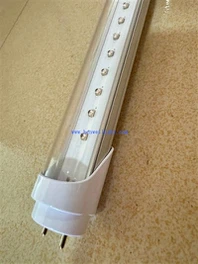
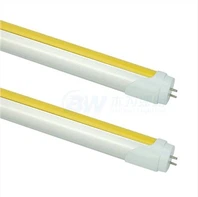
As a supplier of Poultry LED Lights, I often encounter questions from customers regarding the safety of these lights for human handling. This is a crucial concern, as the well - being of both the farmers and the poultry they raise is of utmost importance. In this blog, I will delve into the scientific aspects of the safety of Poultry LED Lights during human handling.
Understanding Poultry LED Lights
Poultry LED Lights are specifically designed to meet the lighting requirements of chicken houses. They offer several advantages over traditional lighting sources, such as incandescent bulbs. LED lights are energy - efficient, have a longer lifespan, and can be customized to emit specific wavelengths of light that are beneficial for poultry growth and egg production.
When it comes to choosing the right LED bulb for your chicken house, it is essential to consider factors like color temperature, intensity, and the spectrum of light. For more detailed guidance on this topic, you can refer to Choosing The Best LED Bulb For Your Chicken House.


Safety from an Electrical Perspective
One of the primary concerns when handling any electrical device is the risk of electric shock. Poultry LED Lights are generally designed with safety in mind. They operate at relatively low voltages compared to traditional lighting systems. Most Poultry LED Lights are designed to work with a 12 - volt or 24 - volt power supply, which significantly reduces the risk of a severe electric shock.
Moreover, high - quality Poultry LED Lights are equipped with proper insulation and grounding mechanisms. The wiring is carefully designed to prevent short - circuits and electrical leaks. However, it is still important for users to follow basic electrical safety guidelines. For example, always ensure that the power is turned off before installing or replacing the lights. Do not touch the lights with wet hands, as water can conduct electricity and increase the risk of shock.
Heat Emission and Safety
Another aspect to consider is the heat emission of Poultry LED Lights. Unlike incandescent bulbs, which emit a large amount of heat, LED lights are much cooler. Incandescent bulbs can reach very high temperatures, which not only waste energy but also pose a fire hazard. In contrast, Poultry LED Lights convert most of the electrical energy into light rather than heat.
This low heat emission is beneficial for both the poultry and the humans handling the lights. For poultry, it helps to maintain a comfortable environment in the chicken coop. For humans, it reduces the risk of burns when handling the lights. However, it is still possible for the lights to get warm during operation, especially if they are used for an extended period. Therefore, it is advisable to let the lights cool down before handling them after they have been on for a long time.
Chemical Safety
Some lighting sources, such as fluorescent bulbs, contain harmful chemicals like mercury. Mercury is a toxic substance that can have serious health effects if it is released into the environment. Poultry LED Lights do not contain mercury or other hazardous chemicals. This makes them a safer option for both the environment and human health.
When disposing of Poultry LED Lights, there is no need to worry about the release of toxic substances. However, it is still recommended to recycle the lights properly to minimize waste and conserve resources.
Impact on Vision
The light emitted by Poultry LED Lights can also be a concern for human handling. Some low - quality LED lights may produce a flickering effect, which can cause eye strain, headaches, and even affect long - term vision. High - quality Poultry LED Lights are designed to have a high flicker index, which means they produce a steady and uniform light.
It is important to choose Poultry LED Lights that have been tested and certified to meet safety standards. This ensures that the light is comfortable for both the poultry and the humans in the chicken coop. For more information on the role of light in the chicken coop, you can visit Light in The Chicken Coop.
Safety During Installation and Maintenance
During the installation and maintenance of Poultry LED Lights, it is important to follow the manufacturer's instructions carefully. Make sure that the lights are installed in a secure location where they will not be easily knocked over or damaged. Use proper tools for installation and ensure that all connections are tight.
Regular maintenance is also crucial to ensure the continued safety of the lights. Check the lights periodically for any signs of damage, such as cracks in the casing or loose wires. If any damage is detected, replace the light immediately to prevent any safety hazards.
The Role of Standards and Certifications
To ensure the safety of Poultry LED Lights, many manufacturers adhere to international safety standards. These standards cover aspects such as electrical safety, heat emission, and light quality. Look for lights that are certified by recognized organizations, such as UL (Underwriters Laboratories) or CE (Conformité Européene).
Certified Poultry LED Lights have undergone rigorous testing to ensure that they meet the highest safety standards. This gives consumers peace of mind when handling and using these lights.
Conclusion
In conclusion, Poultry LED Lights are generally safe for human handling when proper safety measures are followed. They offer several advantages over traditional lighting sources in terms of electrical safety, heat emission, chemical safety, and impact on vision. However, it is important for users to be aware of the potential risks and take appropriate precautions.
If you are interested in providing a safe and efficient lighting solution for your chicken coop, consider our high - quality Poultry LED Lights. We are committed to providing products that meet the highest safety and performance standards. For more information on chicken coops with lights and how our products can benefit your poultry farm, visit Chicken Coop With Lights.
If you have any questions or are interested in purchasing our Poultry LED Lights, please feel free to contact us. We look forward to discussing your specific needs and providing you with the best lighting solutions for your poultry farm.
References
- "LED Lighting Handbook", published by the Illuminating Engineering Society
- Various research papers on the safety and performance of LED lights in agricultural applications