As a supplier of IP65 T8 LED tubes, one of the common questions I often encounter is whether these tubes produce heat. In this blog post, I will delve into this topic from a scientific perspective, exploring the factors that affect heat generation in IP65 T8 LED tubes and how we as a supplier are addressing this concern.
Understanding the Basics of LED Technology
To answer the question of whether IP65 T8 LED tubes produce heat, we first need to understand the basic principles of LED technology. Unlike traditional incandescent bulbs that rely on heating a filament to produce light, LEDs (Light - Emitting Diodes) are semiconductor devices that emit light through a process called electroluminescence. When an electric current is applied to the semiconductor material, it causes electrons to combine with holes, releasing energy in the form of light.


The efficiency of an LED is typically much higher than that of an incandescent bulb. Incandescent bulbs can convert only about 5 - 10% of the electrical energy into light, with the rest being dissipated as heat. In contrast, modern LEDs can convert 70 - 90% of the electrical energy into light. However, this also means that a certain amount of energy is still converted into heat, and that's why LEDs do produce some heat.
Factors Affecting Heat Generation in IP65 T8 LED Tubes
1. Power Consumption
The more power an LED tube consumes, the more heat it is likely to generate. IP65 T8 LED tubes come in different power ratings, usually ranging from 10W to 40W or more. Higher - power tubes are designed to provide more light output, but they also generate more heat because more electrical energy is being converted, and a portion of it dissipates as heat.
2. Luminous Efficacy
Luminous efficacy, measured in lumens per watt (lm/W), is a measure of how efficiently an LED converts electrical energy into visible light. Tubes with higher luminous efficacy can produce more light with the same amount of power input, which means less energy is wasted as heat. As a supplier, we always strive to offer IP65 T8 LED tubes with high luminous efficacy to minimize heat generation.
3. Thermal Management Design
The design of the LED tube's thermal management system is crucial in controlling heat. IP65 T8 LED tubes are typically designed to be dust - and water - resistant, which can pose challenges for heat dissipation. However, advanced designs use materials with good thermal conductivity, such as aluminum heat sinks. These heat sinks help transfer the heat away from the LEDs and dissipate it into the surrounding environment.
Heat Generation and Its Impact
Impact on LED Performance
Excessive heat can have a negative impact on the performance of LED tubes. High temperatures can cause the LEDs to degrade more quickly, reducing their lifespan and decreasing their light output over time. Moreover, heat can also cause color shifts, making the light appear different from what it was initially designed to look like.
Impact on the Waterproof and Dust - proof Function
The IP65 rating of the T8 LED tubes indicates that they are protected against dust ingress and low - pressure water jets. However, if the heat is not properly managed, it can cause thermal expansion and contraction of the materials used in the tube. This can potentially lead to gaps in the sealing, compromising the waterproof and dust - proof function of the tube.
How Our Company Addresses Heat Generation
As a supplier of IP65 T8 LED tubes, we take heat generation very seriously and have implemented several measures to ensure optimal performance.
High - quality Components
We source high - quality LEDs and other components for our tubes. These components are designed to have high luminous efficacy, which means they can convert more electrical energy into light and less into heat. Additionally, they are more resistant to high temperatures, ensuring a longer lifespan even under challenging conditions.
Advanced Thermal Management Design
Our IP65 T8 LED tubes feature advanced thermal management designs. We use high - grade aluminum heat sinks that have excellent thermal conductivity. These heat sinks are designed to be in close contact with the LEDs, allowing for efficient heat transfer. Moreover, the overall design of the tube ensures that there is sufficient airflow around the heat sink, further enhancing heat dissipation.
Rigorous Testing
Before our products are released to the market, they undergo rigorous testing to ensure that they meet our high - quality standards. We test the heat generation of the tubes under different operating conditions, including high - temperature environments. This allows us to identify any potential issues and make necessary adjustments to the design.
Related Products
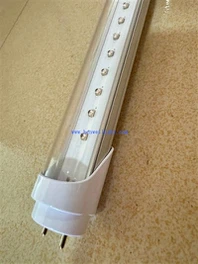
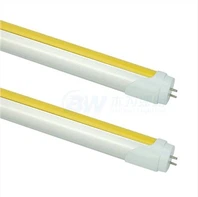
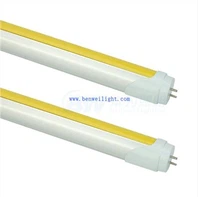
In addition to our standard IP65 T8 LED tubes, we also offer a range of special - purpose T8 LED tubes. For example, we have the 4ft Uv Light Tube, which is designed for applications that require ultraviolet light. We also provide the LED Pink Meat Tube For Meat Fresh Food, which is specifically designed to enhance the appearance of meat and fresh food in display cases. Another product is the T8 Filter 480NM - 520NM Anti - UV Yellow LED TUBE, which is suitable for applications where anti - UV and specific color filtering are required.
Conclusion
In conclusion, IP65 T8 LED tubes do produce heat, but the amount of heat generated depends on various factors such as power consumption, luminous efficacy, and thermal management design. At our company, we are committed to providing high - quality IP65 T8 LED tubes that minimize heat generation while ensuring optimal performance and a long lifespan.
If you are interested in our IP65 T8 LED tubes or any of our other products, we welcome you to contact us for procurement and further discussions. We are more than happy to provide you with detailed product information and customized solutions to meet your specific needs.
References
- "LED Lighting Handbook" by Philips Lighting
- "Solid - State Lighting Technology: A Guide to LED Performance and Applications" by McGraw - Hill Professional