Picking the right light output for LED high bay lights in specific applications can be a head - scratcher. But don't worry, as a supplier of LED High Bay Lights, I'm going to share some tips to make this process easier for you.
Let's first understand what light output is. In simple terms, light output is how much light a high - bay light emits. It's usually measured in lumens. A higher lumen value means more light, but this doesn't always mean it's the right choice for your application. So, how do we make that decision?
Warehouse Applications
Warehouses are one of the most common places where LED high bay lights are used. They're big, and you need to be able to see everything clearly, whether you're looking at inventory on high shelves or driving a forklift.
The key here is to think about the height of the ceilings. A typical warehouse might have ceilings anywhere from 15 to 40 feet high. For lower ceilings, say around 15 - 20 feet, you don't need an overly high light output. A 100W Square Ufo High Bay Light can be a great option. These lights usually have around 10,000 - 12,000 lumens, which is sufficient to illuminate the space below. The square UFO design provides a wide beam angle, spreading the light evenly across the floor and the lower shelves.
But if your warehouse has high ceilings, like 30 - 40 feet, you'll need more powerful lights. The Led Replacement For 400w Metal Halide High Bay is ideal in such situations. These LEDs can have anywhere from 40,000 to 60,000 lumens. With this much light output, they can penetrate the greater distance to the floor and still provide clear illumination.
Another factor in warehouses is the type of work being done. If it's a general storage area where you just need to see the outlines of pallets and boxes, a moderate light level will do. But if there's detailed work, like sorting small items or doing quality inspections, you'll need a higher light output to ensure accuracy.
Manufacturing Facilities
In manufacturing plants, the requirements are a bit different. Precision is often key, whether you're assembling small parts or operating large machinery.
You'll need to consider the task at hand. For areas where workers are doing fine work, like soldering electronic components, a high light output is essential. You might want lights with a color temperature of around 5000 - 6000K, which gives a bright, white light similar to daylight. And in terms of lumens, for workbenches, you could aim for around 300 - 500 foot - candles of illumination. This might require multiple high - output LED high bay lights strategically placed around the work area.
On the other hand, in areas where the machinery takes up most of the space and there's less need for detailed visual work, a lower light output can be used. But still, you need to ensure that there are no dark spots, especially near safety critical areas and walkways.
Gymnasiums
Gyms are all about activity, whether it's a basketball game or a fitness class. People need to be able to see clearly to avoid injury and perform their best.
The light output should be high because you're dealing with a large, open space and fast - moving objects. For a small - to - medium - sized gym, the Warehouse Led Lights can also work well. They can provide enough light to cover the court or workout area. A good rule of thumb is to aim for around 150 - 200 foot - candles of illumination for general gym activities.
But if it's a professional sports gym where the lighting is also for broadcast purposes, then you'll need an even higher light output. You might need to use a combination of multiple high - bay lights with a light output of 30,000 - 50,000 lumens each to get the required brightness and uniformity.
Comparing Light Output and Energy Consumption
Now, you might be thinking that a higher light output means more energy consumption. While it's true that more powerful lights use more electricity, LED high bay lights are much more efficient compared to traditional lighting options like metal halide or fluorescent lights.
For example, a 400 - watt metal halide light can be replaced with an LED high bay light of much lower wattage, say 100 - 150 watts, but still provide the same or even better light output. This means you can get the right amount of light for your application without breaking the bank on energy bills.
Other Factors to Consider
It's not just about lumens and the application. There are other factors that can affect the perceived light output.

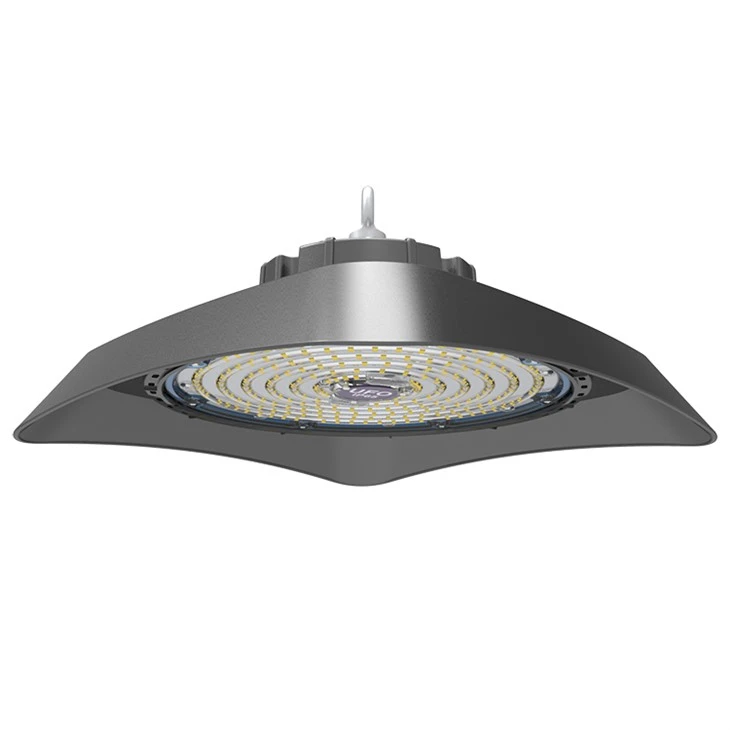
Color rendering index (CRI) is important. A high CRI (above 90) means that the light can accurately reproduce colors. In applications like art galleries or food processing areas, a high CRI is crucial. You'll want to ensure that the products or artworks look their best.
Beam angle also plays a role. A narrow beam angle is good for spotlighting specific areas, like a display in a retail store. A wide beam angle, on the other hand, is better for general illumination in large spaces like warehouses.
Making the Right Decision
To make the right decision on light output for your LED high bay lights, start by assessing your specific application. Measure the area, note the ceiling height, and think about the type of work or activity that will take place.
If you're still unsure, don't hesitate to reach out. As an LED High Bay Light supplier, we have the expertise to guide you through the process. We can help you calculate the right light output based on your needs and recommend the most suitable products.
Whether it's for a warehouse, a manufacturing facility, or a gymnasium, we've got the products and knowledge to ensure you get the perfect lighting solution. If you're interested in discussing your requirements, we're here to talk. Just get in touch, and let's work together to create the ideal lighting for your space.
References
- Illuminating Engineering Society (IES) Lighting Handbook
- Manufacturer's specifications for LED high bay lights