Beam angle is a critical factor in determining the lighting effect of LED downlights. As a leading LED downlight supplier, we understand the significance of beam angle and its impact on various lighting applications. This blog will explore how the beam angle affects the lighting effect of LED downlights, providing valuable insights for architects, designers, and end-users.
Understanding Beam Angle
The beam angle of an LED downlight refers to the spread of light emitted from the fixture. It is typically measured in degrees and indicates the width of the light beam at a specific distance from the fixture. A narrow beam angle produces a concentrated, focused light, while a wide beam angle results in a more dispersed, even illumination.
For instance, a downlight with a 15-degree beam angle will create a tight, spotlight-like effect, ideal for highlighting specific objects or areas. On the other hand, a 60-degree beam angle will provide a broader, more uniform light distribution, suitable for general ambient lighting.
Impact on Lighting Effect
Spotlighting and Accent Lighting
In applications where you want to draw attention to a particular feature, such as a piece of artwork or a display, a narrow beam angle is essential. Our Selectable New Construction LED Downlight Fixture offers selectable beam angles, allowing you to customize the lighting effect according to your needs. A 15 - 25 degree beam angle can create a dramatic spotlight effect, enhancing the visual appeal of the object being illuminated. The focused light makes the subject stand out from its surroundings, creating a sense of depth and highlighting its details.
General Ambient Lighting
For spaces that require overall illumination, such as living rooms, hallways, or offices, a wider beam angle is more appropriate. A wide beam angle ensures that the light is evenly distributed across the area, reducing shadows and creating a comfortable and inviting atmosphere. Our Recessed LED Down Light Can Light with a 40 - 60 degree beam angle is an excellent choice for general ambient lighting. It provides sufficient brightness without causing glare, making it suitable for long - term use.
Task Lighting
In areas where specific tasks are performed, such as kitchens, workbenches, or reading nooks, the beam angle should be carefully selected to provide adequate and focused light. A medium beam angle, around 30 - 45 degrees, can direct light precisely where it is needed, reducing eye strain and improving task performance. For example, in a kitchen, downlights with a 35 - degree beam angle can illuminate the countertops, making food preparation and cooking easier.
Influence on Space Perception
The beam angle of LED downlights can also affect the perception of space. A narrow beam angle tends to create a more intimate and focused environment. By highlighting specific points, it can make a large space seem more cozy and defined. For example, in a large warehouse converted into an event space, using downlights with narrow beam angles to illuminate the stage and seating areas can create a more engaging and intimate atmosphere.
Conversely, a wide beam angle can make a small space appear larger and more open. The even distribution of light reduces the contrast between light and dark areas, minimizing visual barriers and giving the impression of a more expansive area. In a small apartment hallway, using downlights with a 60 - degree beam angle can make the hallway feel less cramped and more inviting.
Energy Efficiency Considerations
Beam angle can also have an impact on energy efficiency. A narrow beam angle allows the light to be directed exactly where it is needed, reducing light spillage and wasted energy. When used for accent lighting, a narrow - beamed downlight can provide a high level of illumination on the target area while consuming less energy compared to a wide - beamed light trying to cover the same area.
However, in applications where general lighting is required, a wide - beam downlight can be more energy - efficient in some cases. Since it can cover a larger area with a single fixture, fewer fixtures may be needed to achieve the desired level of illumination, resulting in overall energy savings.
Compatibility with Different Decor Styles
The choice of beam angle also needs to be considered in the context of the overall decor style. In modern and minimalist designs, narrow - beam downlights can be used to create a sleek and sophisticated look. The focused light can highlight architectural features or statement pieces, adding a touch of drama to the space.
For traditional or rustic decor, wide - beam downlights are often a better choice. They provide a warm and inviting glow that complements the natural materials and earthy tones commonly found in these styles. Our Halogen Downlight Globes with a wide beam angle can add a classic and cozy feel to a traditional living room.
Choosing the Right Beam Angle
When selecting the beam angle for LED downlights, several factors should be taken into account:
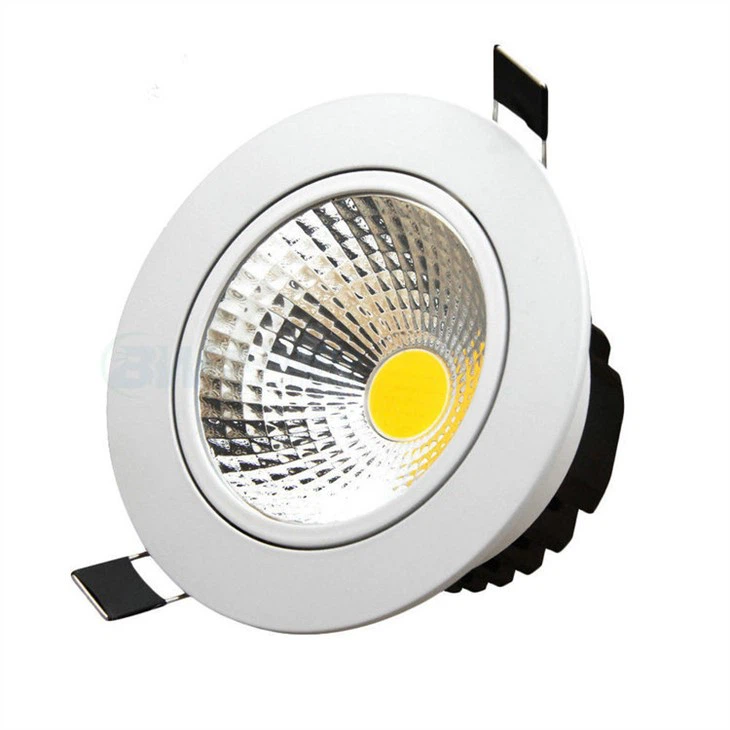

- Purpose of the Space: Determine whether the space requires spotlighting, general ambient lighting, or task lighting.
- Size of the Space: Smaller spaces may benefit from wide - beam angles, while larger spaces may require a combination of narrow and wide - beam downlights.
- Height of the Ceiling: Higher ceilings may require a wider beam angle to ensure adequate illumination on the floor level, while lower ceilings may work well with narrower beam angles.
- Decor Style: Consider how the beam angle will complement the overall design and aesthetic of the space.
Conclusion
The beam angle of LED downlights plays a crucial role in determining the lighting effect, space perception, energy efficiency, and compatibility with decor styles. As a professional LED downlight supplier, we offer a wide range of products with different beam angles to meet the diverse needs of our customers. Whether you are an architect looking for the perfect lighting solution for a new project, a designer aiming to create a unique atmosphere, or an end - user seeking to enhance the lighting in your home or office, we can provide the expertise and products you need.
If you are interested in learning more about our LED downlights or starting a procurement negotiation, please feel free to reach out to us. We are committed to providing high - quality products and excellent customer service to help you achieve the best lighting results.
References
- IES Lighting Handbook, 11th Edition.
- Lighting Research Center: Research on Beam Angle and Lighting Effects.
- LED Industry Reports on Lighting Performance and Beam Angle.