10000K Color Temperature Lamps: The Professional Story Behind Cool Blue Light
In the world of lighting, color temperature (measured in Kelvin, K) is a core parameter that defines the "warmth" or "coolness" of light. Lower values produce a warm, yellowish glow, while higher values shift toward cool, bluish tones. When the color temperature reaches 10000K, the light takes on a distinct pale blue tint-far beyond the typical 3000K–6000K range used in most household settings. So, where are 10000K lamps actually used, and why do they exist?
What is 10000K?
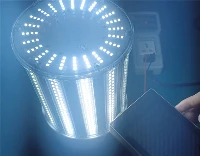
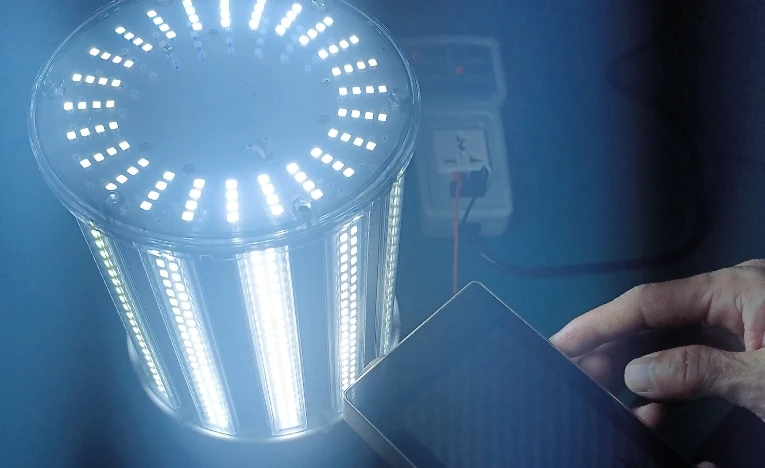
Simply put, 10000K represents an extremely high color temperature light source. The light it emits is not the warm yellow or neutral white we are familiar with, but a cool white with a pronounced bluish cast, visually similar to the shade of a clear, sunlit sky on a bright day. In the color temperature spectrum: 3000K is warm yellow, 4300K is yellowish‑white, 6000K is pure white, and 10000K corresponds to pale blue.
Professional Photography and Filmmaking: The Main Stage
The primary application of 10000K lamps is in professional photography and filmmaking. Many high‑end studio lights and camera‑mounted LEDs offer continuous, wide‑range adjustment from low colour temperatures all the way up to 10000K.
For example, the Godox MA5R magnetic charging full‑color LED light supports a broad range of 1800K–10000K and achieves an average CRI (Color Rendering Index) of ≥95, ensuring accurate colour reproduction. The higher‑end Godox M1000R cinema light combines 1000W power with 1800K–10000K colour tuning, easily handling large scenes, night shoots, HDR productions, and other professional demands.
Similarly, the Aputure STORM 700x covers 2500K–10000K with a CRI ≥95 and offers ±G 100% green‑magenta adjustment for professional colour grading. Additionally, dual‑colour LED flexible roll‑up lights, which independently control cool (5600K) and warm (3200K) channels, can continuously adjust from 2500K to 10000K as well.
The key advantage of this wide colour‑temperature flexibility is that cinematographers and photographers can precisely match ambient light conditions-whether simulating the crisp chill of morning daylight or creating a sci‑fi blue mood-all with complete control.
Automotive Lighting: Looks or Function?
In the aftermarket automotive world, 10000K HID (xenon) headlights have a niche following. Some enthusiasts prefer the distinctive visual effect-the pale blue light that stands out on the road.
However, it is worth noting that higher colour temperatures actually reduce light penetration. While 10000K headlights may look cool, they are significantly less effective in rain, fog, or mist compared to 4300K or 6000K lamps. In other words, 10000K in automotive applications is often chosen more for style than for practical illumination.
Aquarium and Plant Lighting: Mimicking Natural Spectra
In the field of aquarium keeping, 10000K fluorescent or LED tubes are used to simulate the natural lighting of tropical ocean waters, supporting the growth of corals and aquatic plants. The higher proportion of blue light in such high‑colour‑temperature sources can boost the effective energy available for photosynthesis. However, some aquarists note that for freshwater planted tanks, 10000K may appear too blue and less natural to the eye.

Technical Requirements: Not Just "Dialing It Up to 10000K"
Achieving a genuine 10000K output is not simply a matter of turning the light "more blue". Professional‑grade 10000K lamps typically demand high color rendering (CRI ≥95) to ensure that colours remain accurate even at such elevated colour temperatures. At the same time, because these sources contain a stronger blue component, they are generally not recommended for ordinary household lighting-which is precisely why 10000K lamps are almost exclusively found in professional environments.