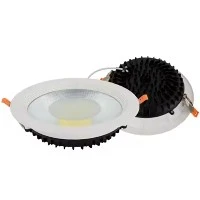
Any area benefits from recessed lighting's clean, contemporary appearance, but if conventional configurations are not optimised, they may use a lot of energy. Fortunately, you can retain efficient lighting, save electricity costs, and use less energy with a few clever changes. The following four useful suggestions will help you increase the energy efficiency of your recessed lighting:
1. Make the switch to LED bulbs
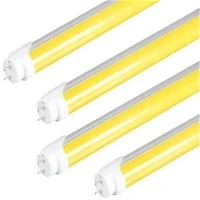
Replacing incandescent or halogen lamps with **LED alternatives** is the easiest and most significant modification. Compared to conventional lights, LEDs last 25 times longer and use up to 75% less energy. Additionally, they generate less heat, which eases the burden on HVAC systems. Choose **LED retrofit kits** for recessed lighting that are designed to suit existing housings. To get the most brightness without using too much energy, look for bulbs with a high **lumens-per-watt ratio** (e.g., 100+ lumens per watt).
2. Install Dimmable Fixtures** Using **dimmable switches** to pair LEDs gives you fine control over light levels and lowers energy use when you don't require full brightness. For instance, a 25% light dimming may result in an approximate 20% energy cost savings. be sure your dimmer switches and LED lights work together. While many contemporary LEDs are marked as "dimmable," be sure to review the specs to prevent flickering or a shorter lifetime. By automating changes depending on occupancy or the time of day, smart dimmers with timers or motion sensors increase efficiency even further.
3. Make Spacing and Layout Better
Energy is wasted by overlighting. To find the ideal number and arrangement of recessed lights, use a **lighting plan**. For general ambient lighting, lamps should generally be placed 4–6 feet apart, with adjustments made for beam angle and ceiling height. By focussing light where it is required, narrower beam angles (15–30 degrees) reduce the number of unnecessary fixtures. To prevent over-illuminating whole rooms, use directional lamps in conjunction with recessed lights for task illumination.
4. Change to Insulated, Airtight Housings**
Heating and cooling systems have to work harder since older recessed lights often lose air. To stop heat loss, swap out non-IC (Insulation Contact) certified housings with **IC-rated airtight models**. Insulation may be securely touched by IC-rated fixtures, increasing the energy efficiency of homes. Furthermore, fewer fixtures are needed since **LED baffles or reflectors** may more efficiently guide light downward.
Concluding Remarks
Style and practicality don't have to be sacrificed for energy-efficient recessed lighting. You can reduce energy consumption while keeping a sleek appearance by using LED technology, smart controls, strategic design, and improved hardware. Consider ENERGY STAR-certified items for the most savings, and get advice from an electrician to guarantee safe, code-compliant installations. Even little adjustments made now may have long-term positive effects on the environment and your pocketbook.