Professional-Grade Christmas Living Room Lighting: A Complete Guide for Creating Festive Ambiance in Commercial Spaces
For operators of hotels, high-end rental apartments, business clubs, and real estate show flats, the ambiance of interior spaces during the Christmas season directly impacts client experience and brand perception. The living room, as the core social area, requires a lighting design that transcends basic decoration to systematically construct a warm, immersive, and emotionally resonant festive environment. A scientifically planned lighting scheme can effectively enhance spatial quality, strengthen emotional connections to the holiday, and establish a replicable seasonal service standard.

Comparative Analysis of Layered Lighting Strategies for Christmas Living Rooms
Professional lighting design follows a layered approach. The table below details the specific application and implementation points of each lighting layer in a Christmas context.
| Lighting Layer | Core Function | Christmas Application Recommendations | Recommended Fixtures & Technical Specs | Commercial Value Proposition |
|---|---|---|---|---|
| Ambient Lighting | Provides foundational, even illumination; sets the overall tone. | Creates the base layer of "warm glow." Replaces some primary lights with indirect lighting. | 2700K-3000K Warm White LED sources with CRI >90. Use wall-washing or fabric shades for diffusion. | Shapes first impressions, establishes a comfortable, high-end base tone, reduces guest detachment. |
| Accent/Focal Lighting | Draws visual focus, defines the scene's centerpiece. | Highlights the Christmas tree, fireplace mantel, or thematic art installations. | Dimmable LED string lights (static/fade/twinkle modes). For trees, use waterproof, low-voltage LED strips for "trunk lighting" effects. | Creates memorable focal points, encourages social media sharing, enhances thematic cohesion and ceremony of events. |
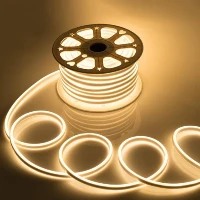
| Decorative Lighting | Enhances festive details, adds agile and whimsy. | Adorns window frames, stair railings, bookshelves, and display cabinets. | LED Neon Flex (for custom shapes), micro LED fairy lights, realistic flameless LED candles. | Enriches visual hierarchy, demonstrates operator attention to detail, elevates overall decorative completeness. |
| Indirect/Mood Lighting | Adds spatial depth, fosters intimate warmth. | Adds backlighting to furniture (sofas, media consoles), installs low-level pathway or step lighting. | Discreetly installed LED strips paired with smart dimmers. Maintain uniform 2700K color temperature. | Increases perceived spatial volume and luxury, creates a safe, relaxing evening atmosphere, prolongs guest dwell time. |
Note: A suggested power distribution ratio for visual balance is Ambient:Accent:Decorative:Mood ≈ 4:3:2:1.
Technical Analysis: Key Details for Professional Results
Color Temperature Unity and Control
Problem: Mixing light sources of different color temperatures creates visual chaos and destroys warmth.
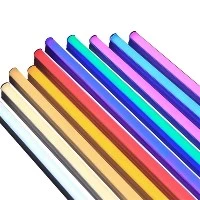
Solution: Strictly enforce the use of 2700K-3000K warm white across all spaces. Specify fixtures with a high color consistency (SDCM < 5) during procurement. Treat decorative colored lighting as accents, controlling their brightness and scope to avoid clashing with the primary palette.
Christmas Tree Lighting Techniques
Vertical Spiral Wrapping Method: Begin at the tree top, wrapping lights in a loose zigzag pattern down through the branches towards the base. This method provides more even light distribution into the tree's interior compared to horizontal wrapping, reducing dark spots efficiently.
"Trunk Lighting" Technique: Before adding outer decorations and lights, wrap a string of warm white LED lights spirally up the central trunk. This makes the tree glow from within, simulating a "lantern" effect that dramatically enhances depth and mystique.
Power Calculation: A guideline is 100-150 LED bulbs per foot of tree height. A 7-foot (approx. 2.1m) tree should use a string with no fewer than 700 LEDs.
Integration with Smart Control Systems
Scene Presets: Program scenes like "Festive Welcome," "Intimate Dining," "Cinema Mode," and "Night Glow" via smart systems (e.g., DALI, KNX, or Zigbee gateways) for one-touch adaptation to different daily activities.
Automated Scheduling: Set lights to activate automatically at dusk and dim or turn off decorative lights after midnight, retaining safety lighting. This ensures atmosphere while enabling energy management.
Safety and Implementation Protocols
Electrical Safety: Prioritize low-voltage (12V/24V) LED systems, especially for decorative and mood lighting. Ensure all outdoor-rated decorative lights (e.g., for window frames) use waterproof connectors.
Thermal Management: Avoid tightly winding LED strips around dry tree branches; allow space for heat dissipation. Use flicker-free drivers with overload protection.
Installation Standards: Secure cables with zip ties or dedicated clips to prevent dangling. Manage power cord routing to eliminate trip hazards.

Frequently Asked Questions (FAQ)
Q1: Will using warm light extensively in a commercial space make it feel dim? How do we ensure sufficient brightness for reading or socializing?
A1: Adequate illumination depends on luminous flux (lumens), not color temperature. Increase total lumen output by adding more ambient light fixtures or using higher-output ones while maintaining color temperature unity. For example, add a dimmable floor lamp (3000K) in a reading nook as a task-specific supplement, rather than using a cool-white main light that breaks the ambiance.
Q2: With multiple modes available (steady, twinkle, chase), how should we select LED string light effects for commercial settings?
A2: For core areas (e.g., the main tree, feature wall), use steady warm white or slow fade/breathing effects to maintain elegant sophistication. Dynamic twinkle or chase modes should be confined to secondary areas or reserved for specific event durations, with their scope controlled to prevent visual fatigue and light pollution.
Q3: How do we estimate total power consumption and electricity cost for a Christmas lighting project in a 200 sq.m living room?
A3: First, list all fixtures' wattage and estimated daily operational hours. Example: 20 ambient LED spots x 5W x 6 hrs = 0.6 kWh; Christmas tree & decor totaling 300W x 5 hrs = 1.5 kWh. Estimated daily total: 2-3 kWh. Multiply by local commercial electricity rates and operational days. A full LED scheme typically consumes over 70% less energy than traditional halogen-based setups.
Q4: For rental or temporary installations, how can we achieve efficient setup without damaging existing finishes?
A4: Recommend non-destructive installation solutions: use high-quality electrical tape, plastic clips, magnetic LED strips (for metal window frames/cabinets), and modular light strings with standard plugs. Place key decorative items on furniture to avoid wall penetrations.
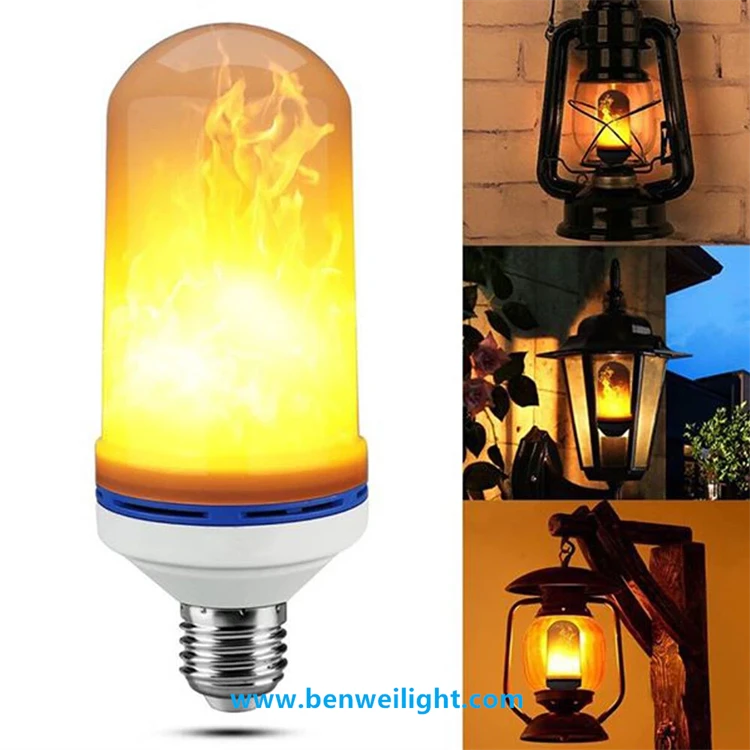
Q5: How safe are flameless LED candles and flame-effect lamps? Will they pass fire safety inspections?
A5: Reputable brands of flameless LED candles typically use flame-retardant materials, generate minimal heat, and have no open flame, complying with most commercial space fire codes. Procurement must verify products carry CE, RoHS, and relevant fire safety certifications, with documentation retained for inspection.
Q6: Smart lighting systems have a higher initial cost. What is their long-term value?
A6: Value is demonstrated in three areas: 1. Operational Efficiency: Bulk control, remote management, and scheduling save significant labor. 2. Energy Management: Precise scene control avoids waste, yielding long-term utility savings. 3. Experience Consistency: The ability to save and perfectly reproduce lighting scenes year after year ensures stable quality of festive ambiance, enhancing brand reputation.
Notes & Sources
Research on color temperature and mood references the environmental psychology section of the Illuminating Engineering Society of North America (IESNA) Lighting Handbook.
Christmas tree lighting methods and power recommendations synthesize installation guides from professional decor companies (e.g., Balsam Hill) and industry practice.
LED safety standards reference International Electrotechnical Commission (IEC) standards 60598 (Luminaire Safety) and 62386 (Digital Addressable Lighting Interface).
Commercial lighting energy consumption models are based on case studies of Christmas-season electricity usage in multiple hotels and clubs.
Smart lighting system ROI analysis references industry reports on return periods for efficient lighting management in smart buildings.