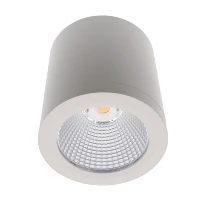
If you scroll through wellness forums, Amazon review sections and social‑media self‑care content, you will notice one recurring debate: do compact red‑light therapy bulbs actually work, or are they just another wellness gimmick? Many people assume you must buy huge, expensive full‑body light panels to get meaningful photobiomodulation benefits. A lot of home users, beauty salons and fitness small‑business owners are hunting for an affordable, plug‑and‑play alternative that fits ordinary lamp sockets at home or in treatment rooms.
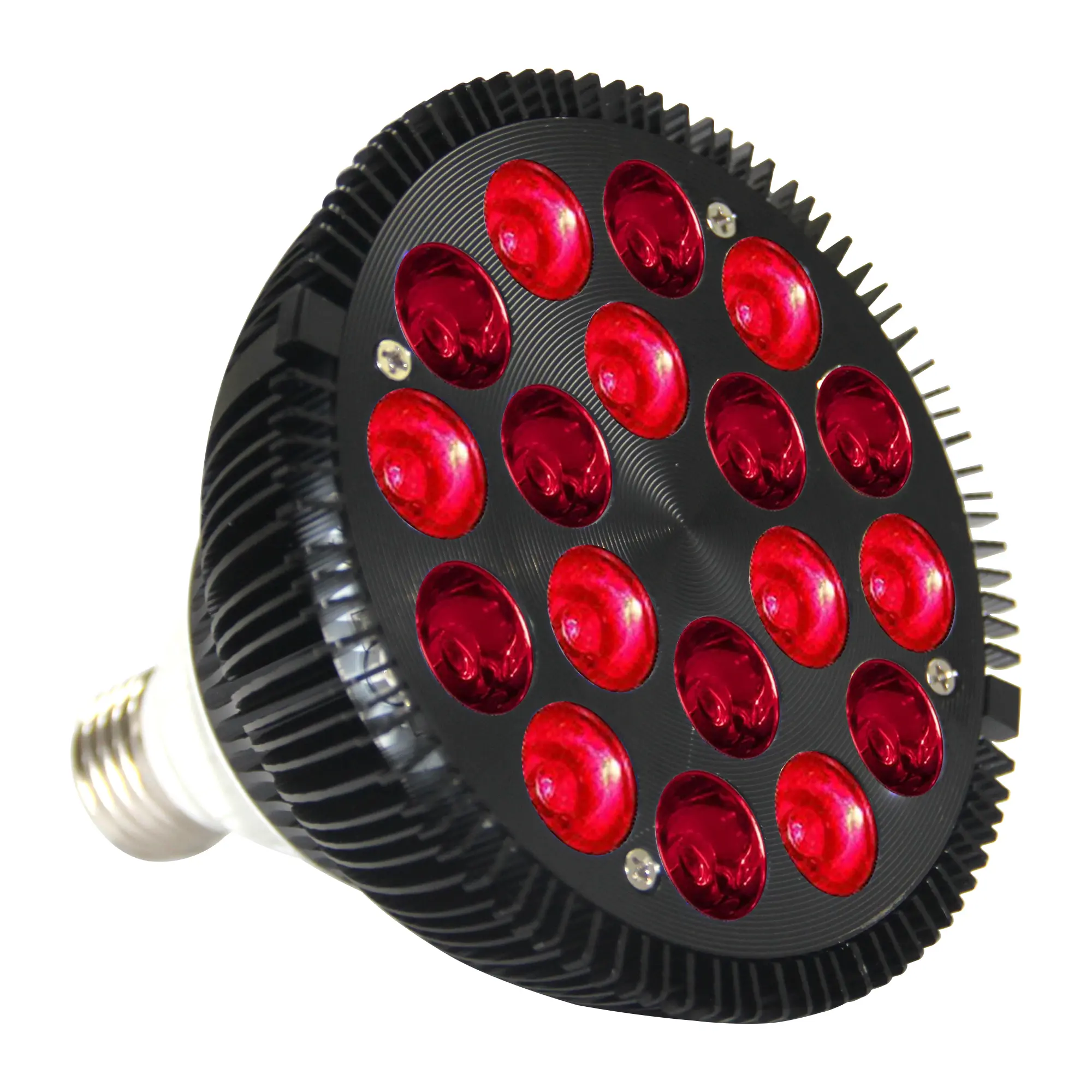
I recently spent time digging into dual‑wavelength red‑NIR therapy bulbs, specifically the 18‑high‑power‑LED bulb combining 660 nm visible red and 850 nm invisible near‑infrared light. What surprised me most is how many buyers misunderstand two critical points: wavelength selection and real‑world irradiance at treatment distance. Raw watt numbers on product titles tell only a tiny piece of the story.
Photobiomodulation (PBM) works when mitochondria inside living cells absorb specific light bands, boosting ATP production for tissue repair, circulation and skin regeneration. Different wavelengths reach different tissue depths. 660 nm visible red mainly works within superficial skin layers for complexion, collagen support and surface healing, while 850 nm near‑infrared penetrates deeper for muscle and joint comfort. Many cheap bulbs only use broad‑spectrum red LEDs without locked 660 nm / 850 nm peaks, which drastically lowers practical effectiveness.
Below table summarizes tissue penetration & primary use cases for these two gold‑standard wavelengths, backed by published PBM clinical summaries:
| Wavelength | Light Type | Approx. Tissue Penetration | Primary Wellness Focus |
|---|---|---|---|
| 660 nm | Visible Deep Red | 2‑3 mm (Dermal skin layer) | Skin rejuvenation, fine‑line improvement, wound‑support, complexion balance |
| 850 nm | Invisible Near‑Infrared | 5‑10 mm (Muscle / joint tissue) | Muscle recovery, local circulation, joint soothing |
One common confusion end‑users report: half the LED chips appear "off" when the bulb powers on. That is not product failure. Half the diodes output 850 nm near‑infrared light, invisible to human eyes, while only 660 nm chips glow bright red to sight. Consumers new to red‑light therapy frequently misjudge bulb quality purely based on how bright it looks to eyes.
Equally vital is understanding how distance changes real light dose on skin. Light intensity follows inverse‑square physics: small shifts in inches create large changes of irradiance (mW/cm²) hitting your body. More is not always better; photobiomodulation follows biphasic dose‑response - too high or too low exposure yields limited benefit or potential irritation.

This next table shows recommended practical home‑use protocols matched to this 54 W dual‑wavelength therapy bulb (9×660 nm +9×850 nm high‑power LED chips, 30° glass focusing lens, aluminum heat‑dissipation housing, universal E26/E27 base):
| Target Area | Recommended Distance | Session Time Per Area | Weekly Frequency | Expected Timeline for Noticeable Improvement |
|---|---|---|---|---|
| Face, neck (skin care) | 3‑6 inches | 8‑15 min | 3‑5 times | 3‑6 weeks of consistent use |
| Shoulders, knees, muscle groups | 3‑6 inches | 10‑20 min | 3‑5 times | 3‑6 weeks of consistent use |
Note: The maximum 240 mW/cm² irradiance spec of this bulb is measured at zero‑inch contact position. Under real‑world recommended 3‑6‑inch working distance, actual skin‑level irradiance drops significantly, which is why sticking to manufacturer distance‑time pairing matters; do not arbitrarily move extremely close and keep the same timer setting. Always use protective eye goggles; avoid direct staring at LED light sources. The bulb housing heats up during running; never touch the unit right after sessions and allow cooling before handling. It is designed for indoor‑only application, not a medical device and cannot replace professional medical diagnosis or treatment.
What makes this bulb different from many competing therapy bulbs on market? Instead of diffuse bare LEDs, it adopts 30‑degree optical glass lens to concentrate light output onto target zones without wasting energy all over the room. Built‑in aluminum alloy cooling structure supports 50 000‑hour rated lifespan for long‑term daily home or small‑salon deployment, with wide‑voltage AC 100‑240 V input for global markets. You simply screw it into existing standard E26/E27 lamp holders, no special controller required. It brings targeted PBM to bedrooms, home‑gym corners or beauty treatment booths without investing in large heavy panels.
Of course, a bulb‑form factor has natural limits. It excels for spot‑targeted treatment for face, joint, localized muscle areas. If you want full‑body coverage, large panels remain more suitable. But for end‑users prioritizing small‑area wellness, portability and budget‑friendly setup, high‑quality dual‑wavelength therapy bulbs fill a clear market gap.
Wrap‑up & B2B Inquiry Call‑to‑action
For wholesalers, importers, salon‑equipment resellers and Amazon brand owners sourcing red‑light wellness hardware, stable wavelength accuracy, real measured irradiance data and reliable thermal management separate sellable products from high‑return low‑quality items.
If you are evaluating dual‑wavelength red‑NIR light‑therapy bulbs for your catalog, view full product specification and details via official product page: 👉 https://www.benweilight.com/red-light-therapy/light-therapy-bulb-18-high-power-leds.html
Feel free to send an inquiry for pricing list, custom‑label options, MOQ and 12‑month warranty terms for this 18‑LED high‑power red‑light therapy bulb solution.