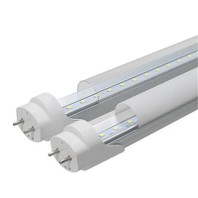
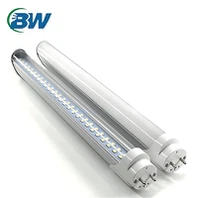
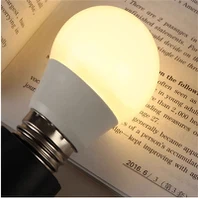
Knowing the precise voltage, filaments, and dimensions required to replace an RV light is crucial when thinking about switching to LED lighting.
When using LED bulbs to replace RV lighting, size is the most straightforward consideration. The size of the base and whether it supports a pin or one or two filaments are the two most crucial aspects of sizing to pay attention to. This may vary depending on the individual light bulb, but if you're fortunate, your RV's interior lights may all be the same unless they have already been changed and replaced.
By examining the base size and wattage of the existing bulb and using an internet conversion guide for incandescent to LED light bulbs, it is simplest to locate an exact sized match for your RV lighting. Here is a pretty simple incandescent to LED light conversion chart.
| Incandescent Bulb | LED Bulb |
|---|---|
| 25 W | 3-5 W |
| 40 W | 6-9 W |
| 60 W | 8-15 W |
| 75 W | 12-17 W |
| 100 W | 15-19 W |
| 125 W | 20-25 W |
| 150 W | Up to 30 W |
The wattage of incandescent and LED light bulbs varies significantly, as shown in the chart, but this is precisely what makes the LED light bulbs more cost- and environmentally-friendly.
A guide sheet for matching the LED light bases on your RV lighting is also available here.
Replacement interior LED bulbs for general use should be 12 watts. This represents the normal wattage for interior lighting. Regarding electricity, the majority of RVs utilize what is known as a 12-volt home system, which may sometimes vary.
When choosing LED bulbs to replace your RV lights, be sure they are designed particularly for the sockets in the RV. It is much simpler to attempt to replace incandescent bulbs with LED bulbs if you are aware of their sizes.
Even RV-specific LED lamps are available. This helps with the voltage swings. Unbelievably, the LED lights designed exclusively for RVs feature sensors to control the power from the vehicle. Isn't it amazing? I suppose it's also rather practical.
ReplacingNow that you have determined the ideal LED bulb size for your RV, it would be beneficial to understand the fundamental procedures for doing so. More information on how to alter them may be found on this website.
1.Shut off or unplug your 12 volt power source.
2.Old dome light's light caps should be removed.
3.Old dome light's lights should be removed.
4.Using your drill, remove the outdated dome light housing.
5.Cut the cables
6.Install the new LED light fixture's cables.
7.Restart the electricity (if light works move to next step, if not rewire the connection)
8.Delete the bulb covers.
9.Into the wall or ceiling, screw the new fixture.
10.swap out the plastic bulb covers
11.Enjoy your new LED-powered RV lights, which are energy-efficient.
RV lights vs. LED lights
Consequently, while LED lights were still a relatively new idea, they were rather pricey and not really feasible for the budget. Well, stop spreading such tales since they are untrue now. The LED light is ultimately a rather wise and cost-effective investment.
Can we first speak about the annual expense of operating those outdated incandescent RV lights? And if you haven't been looking up recently, there are a lot of them in an RV.
Typical incandescent lights have an annual operating cost of $4.80 and have a lifespan of just around 1,000 hours. In contrast, the LED light bulb will only cost one cent to operate and will last at least 25,000 hours.
Even though they cost a bit more up front, they will end up saving you money.
But it just addresses budget-friendly efficiency. There's a lot more to it than that.
The cost-efficiency analysis showed that LED light bulbs are also much more energy-efficient. The average LED bulb uses a pitiful 10% of the energy that those outdated incandescent RV lights use. Saving battery power on your RV is another benefit of this. You may not realize it yet, but I'm sold.
Have you recently taken out those incandescent lights, too? Do those gorgeous burn scars from those lights still exist on your ceiling? Talk about unreliable, I tell you. You shouldn't be seeing that issue with the newer bulbs unless you unintentionally selected the incorrect kind of LED light bulb.
Added to that, toughness. Have you ever traveled in your RV on a rough road trip with far too many potholes, hills, and bumps? I am aware that I have, and those annoying incandescent RV lights don't appear to be made for such a rugged environment. (Did someone forget to mention that they were entering RVs?)
The LED lights are designed to withstand the roughness of an RV's bumpy road, whereas incandescent lights may easily rock, flicker, tumble, and shatter. Once you have switched those incandescent lights out for LED ones, try it out by driving your RV on the most difficult route you can locate. The LED lights are designed to withstand vibrations without breaking or even flickering. Understand what it means? lessening replacements. What, is that even better?
You are now prepared to travel and take advantage of those long-lasting bulbs since you have determined the right bulb size to purchase for your RV, comprehended how to change them, and had a refresher course on why they will improve your life.