LED lighting is fundamentally reshaping retail environments by delivering unprecedented energy efficiency, design flexibility, and data-driven customer experiences. Here's how it's powering the future:
Enhanced Visual Merchandising & Brand Identity:
Precision Color Rendering (High CRI/TLCI): LEDs accurately reveal true colors of products (fabrics, food, cosmetics), boosting appeal and reducing returns. A 95+ CRI LED makes produce look fresher or clothing colors more vibrant.
Tunable White & Dynamic Color: Adjust color temperature (warm to cool white) to match store zones (cozy fitting rooms vs. bright activewear sections) or time of day. Dynamic color sets moods for promotions or seasons.
Spotlighting & Accent Lighting: Directional LEDs create dramatic focal points on key displays or high-margin items with minimal spill light and heat damage.
Significant Operational Savings & Sustainability:
Energy Efficiency: LEDs consume 50-80% less energy than traditional lighting (incandescent, halogen, fluorescent), drastically cutting electricity bills and operational costs.
Longevity: LEDs last 25,000-50,000+ hours (vs. 1,000-15,000 for traditional), slashing maintenance costs and labor for bulb replacements, especially in hard-to-reach areas.
Reduced Heat Output: Lower heat emission decreases HVAC cooling loads, further saving energy and improving shopper comfort.
Sustainability Credentials: Lower energy use = reduced carbon footprint. Lack of mercury (unlike fluorescents) and recyclability align with eco-conscious branding.
Improved Customer Experience & Behavior:
Mood & Atmosphere: Carefully designed LED schemes create inviting, comfortable, or energetic atmospheres that encourage browsing and longer dwell times.
Visual Comfort: High-quality LEDs minimize glare and flicker, reducing eye strain and creating a more pleasant shopping environment.
Wayfinding & Navigation: Strategic lighting guides customers intuitively through the store, highlighting pathways, departments, and checkout areas.
Circadian Rhythm Support: Tunable systems can mimic natural daylight patterns, potentially boosting staff alertness and customer well-being.
Integration with Smart Retail & IoT:
Sensor Integration: LED fixtures with embedded sensors (motion, occupancy, daylight harvesting) automatically dim or turn off in unoccupied areas, maximizing energy savings.
Data Collection: Lighting infrastructure becomes a data network. Sensors track customer traffic flow, dwell times near displays, and heat maps, providing invaluable insights for store layout and merchandising optimization.
Li-Fi (Light Fidelity): Experimental but promising – using LED light waves to transmit data (like Wi-Fi), enabling location-based services, personalized offers sent to phones, and enhanced in-store navigation.
Centralized Control & Analytics: Cloud-based systems allow remote monitoring, scheduling, and adjustment of entire store lighting, enabling rapid adaptation and performance analysis.
Architectural Flexibility & Design Freedom:
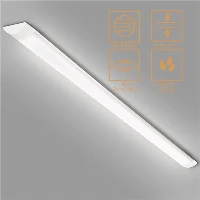
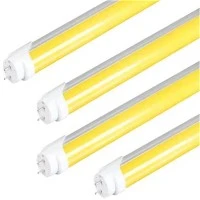
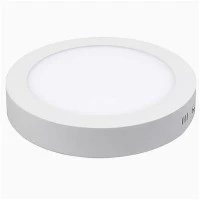
Compact Size & Form Factors: Tiny LEDs enable sleek, minimalistic fixtures (linear strips, downlights, panels) that integrate seamlessly into ceilings, shelves, displays, and even floors, freeing up design space.
Durability: LEDs are solid-state lights, making them resistant to vibration and shocks, ideal for high-traffic or challenging retail environments.
Directional Light: Focus light precisely where needed, minimizing wasted light and light pollution.