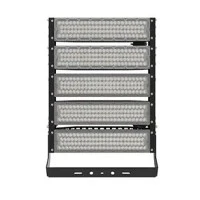
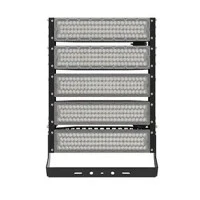
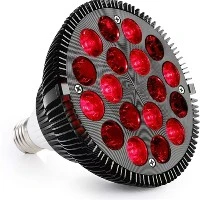
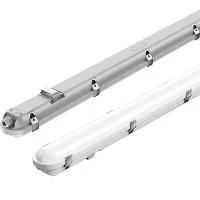
The disinfection lamp works mainly by ultraviolet (UV) radiation, especially short-wave ultraviolet rays in the UVC band (200-280nm), which can destroy the DNA/RNA structure of microorganisms, causing them to lose their ability to reproduce or die directly. The following is a detailed analysis:
1. Core principle: ultraviolet sterilization (UVGI)
Target: Genetic material (DNA or RNA) of microorganisms (bacteria, viruses, fungi, spores, etc.).
Destruction mechanism:
UVC ultraviolet rays (the strongest sterilization band: 253.7nm) are absorbed by the nucleic acid of microorganisms.
It causes the formation of pyrimidine dimers (such as thymine dimers) in nucleic acid molecules, making it impossible for DNA/RNA to replicate and transcribe normally.
The microorganisms die or are inactivated due to the loss of their ability to reproduce.
2. Types of disinfection lamps
(1) Low-pressure mercury lamp (traditional UV lamp)
Principle: Produce 253.7nm UVC and a small amount of 185nm ultraviolet rays (which can generate ozone) through mercury vapor discharge.
Features: High sterilization efficiency, but contains mercury, so it needs to be handled with caution.
(2) UV LED disinfection lamp
Principle: Semiconductor light emission, directly generating UVC band (such as 265nm).
Features: Mercury-free, energy-saving, but low power, requiring longer irradiation time.
(3) Ozone disinfection lamp
Principle: 185nm ultraviolet rays decompose oxygen (O₂) into ozone (O₃), and ozone has strong oxidative properties that destroy microbial cells.
Features: A closed space is required, and ventilation is required after disinfection (ozone is harmful to the human body).
3. Factors affecting disinfection effect
Irradiation intensity and time:
It needs to meet the requirement of dose = intensity (μW/cm²) × time (s). For example, it takes about 10-20mJ/cm² to kill the new coronavirus.
Distance: The intensity of ultraviolet rays decays with the square of the distance (the closer to the lamp, the better the effect).
Environmental shielding: Dust, liquid or object shadows will reduce the effect.
Microbial types: Different pathogens have different sensitivities to UV rays (e.g. bacterial spores are harder to kill than ordinary viruses).
4. Safety precautions
Avoid direct exposure: UVC can damage the skin (redness and swelling) and eyes (keratitis), so people, pets, and plants need to leave when using it.
Ozone risk: After ozone disinfection, ventilation is required for more than 30 minutes before entering.
Lamp life: The life of a mercury lamp is about 8,000 hours, and that of a UV LED is about 10,000 hours, and needs to be replaced regularly.
5. Common application scenarios
Medical places: Air and surface disinfection in operating rooms and wards.
Home use: Disinfection of bathrooms, kitchens, and maternal and child supplies.
Water treatment: UV water purifiers kill pathogens in water.
Air purification: Inactivate viruses in the air with a circulation system.
6. Limitations
No lasting effect: Only effective for the irradiated area, and the environment may be contaminated again after disinfection.
Weak penetration: Cannot penetrate glass, plastic, or deep dirt.
Through the rational use of ultraviolet disinfection lamps, most pathogenic microorganisms can be effectively inactivated, but safety regulations must be strictly followed. for more 254nm UVC Lamp information , you can visit https://www.benweilight.com/professional-lighting/uv-lighting/uvc-led-disinfection-lamp.html