To get more eggs from your chickens, you'll need to address a few key areas: their diet, lighting, environment, breed, and health. Think of it as fine-tuning a small production line, where each element helps keep your hens healthy and laying consistently.
Here are the most effective methods to boost their egg production:
Nutrition: The Foundation of Egg Production
A balanced diet is the most important factor for a hen's laying potential.
Layer Feed is Best: Provide a complete "layer feed" specifically formulated for hens. This feed contains the ideal balance of at least 16% protein, calcium, phosphorus, and Vitamin D3 needed for strong shells and high egg numbers. Feed it consistently in a dry, clean feeder inside the coop to prevent it from getting damp.
Supplement with Grit: If your hens eat whole grains or forage, provide insoluble grit (tiny stones). They store it in their gizzard to help grind and digest their food.
Boost with Natural Herbs: Research shows several herbs can be beneficial. You can add dried or fresh options like Nettle (minerals, protein), Red Clover (hormonal balance), Oregano (immune support), and Calendula (anti-inflammatory) to their diet or sprinkle them in nesting boxes to reduce stress.
Hydration is Key: Water makes up about 70% of an egg, so it's vital that your hens have access to clean, fresh water at all times.
Lighting: The Key to Consistent Laying
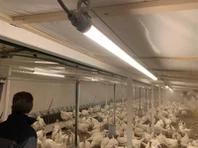
Hens need a certain amount of light to stay productive, especially during the darker winter months.
The Magic Number: Hens need 14 to 16 hours of light per day to reach their full egg-laying potential. As daylight decreases in fall and winter, egg production naturally drops.
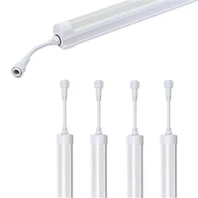
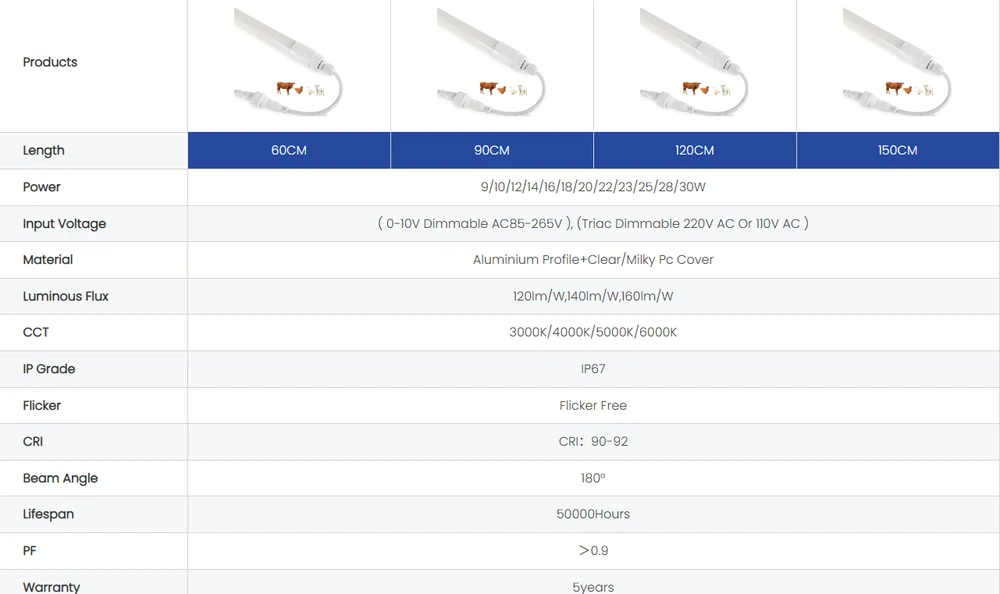
Use Artificial Light: To "trick" your hens into thinking it's still spring or summer, add a low-wattage, warm-colored bulb (orange or red light) to the coop. Avoid harsh white or blue lights. Use a timer to extend the daylight hours in the morning or evening until you reach a maximum of 16 hours of total light daily.
Health & Environment: Keeping Hens Stress-Free
A calm, healthy hen is a productive hen. Stress and illness are major reasons for a drop in egg production.
Protect from Parasites: Mites, lice, and internal worms drain a hen's energy. Provide a dust bath with sand and wood ash to help them control external parasites naturally.
Keep Nesting Boxes Clean: Provide one clean, padded nesting box for every 4-5 hens. This encourages them to lay in the designated spot and keeps eggs clean and less likely to break.
Protect from Predators: Even occasional stress from predators can shut down laying. Make sure your coop and run are secure with heavy-gauge wire on all sides, including underneath to prevent digging.
Manage Broodiness: A "broody" hen has stopped laying to sit on her eggs. If you're not trying to hatch chicks, break this behavior by moving her to a wire-bottomed cage with no bedding for 2-3 days, until she stops trying to nest.
Minimize Other Stressors: Keep the coop well-ventilated, consistently clean, and avoid dramatic changes in temperature or diet, as these can all cause a disruption in laying.
Breeds: Start with a Productive Flock
Your flock's productivity starts with their genetics. Some breeds are simply better layers than others. For maximum egg production, choose chickens bred for the task.
Top Layers: Leghorns, Rhode Island Reds, ISA Browns, and Golden Comets are well-known for their high output, often laying 250-320 eggs per year.
Dual-Purpose Breeds: If you also want meat, consider Plymouth Rocks, Australorps, or Sussex. They still provide a respectable 200-300 eggs per year.
What to Avoid: Some breeds are kept for their appearance or temperament, not their laying ability. If your primary goal is eggs, you might want to avoid breeds like Bantams or Silkies, which can lay fewer than 100 eggs per year.
Advanced Strategies for Prolonged Production
Managing the Molt: Hens naturally shed and regrow feathers (molting) once a year, usually in fall, and stop laying during this period. To help them through it, switch to a higher-protein feed to support feather regrowth and get them back to laying faster.
Induced Molting: In a commercial setting, a controlled, "induced" molt can extend a hen's productive life by several months, but it requires precise management and is not typically recommended for backyard flocks due to the stress it places on the birds.
A Final Note on Realistic Expectations
Remember that egg production is a natural rhythm, not an on-demand process. Even the best-managed hens will lay fewer eggs as they get older, with peak production occurring in their first year or two. The goal is to provide the best possible support for your flock so they can produce to their full potential, consistently and comfortably. you can see more useful information on http://www.benweilight.com