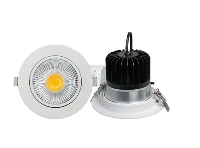
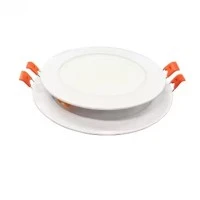
Installing LED downlights is a practical way to enhance your home's lighting efficiency and aesthetics. These energy-efficient fixtures are long-lasting, easy to maintain, and ideal for modern interiors. Whether replacing an old fixture or adding new lights, this guide will walk you through the installation process safely and effectively.

Tools and Materials Needed
Before starting, gather these essentials:
- LED downlight kit (including housing, trim, and driver)
- Voltage tester
- Screwdriver (flathead and Phillips)
- Wire strippers/cutters
- Electrical tape
- Ladder
- Pencil and measuring tape
- Drywall saw (if cutting a new hole)
- Safety gloves and goggles
Step 1: Turn Off the Power
Safety is paramount. Locate your home's circuit breaker and turn off the power to the room where you'll install the downlight. Use a voltage tester on the existing wiring to confirm no current is flowing.
Step 2: Prepare the Installation Area
For new installations:
- Measure and mark the ceiling where the downlight will sit. Ensure it's away from joists or obstructions.
- Use a drywall saw to cut a hole matching the downlight's diameter (typically 4–6 inches).
For replacements:
- Remove the old fixture by unscrewing its trim and carefully disconnecting wires.
Step 3: Connect the Wiring
LED downlights typically have three wires: live (black/brown), neutral (white/blue), and ground (green/yellow).
1. Strip ½ inch of insulation from the ceiling wires.
2. Match the downlight's wires to the ceiling's corresponding wires (e.g., black to black, white to white).
3. Twist the exposed ends together and secure with wire nuts. Wrap connections in electrical tape for added safety.
4. Tuck the connected wires into the ceiling junction box.
Step 4: Secure the Downlight Housing
Most LED downlights feature spring-loaded clips or brackets.
1. Compress the clips and insert the housing into the ceiling hole.
2. Release the clips to lock the fixture in place. Ensure it sits flush against the ceiling.
Step 5: Attach the Trim and Bulb
1. Snap the trim (decorative cover) onto the housing. Some models include a removable LED panel; others require a separate bulb.
2. For screw-in bulbs, insert them gently to avoid damaging the socket.
Step 6: Restore Power and Test
Turn the circuit breaker back on. Use the light switch to test the downlight. If it doesn't turn on:
- Double-check wire connections.
- Ensure the driver (transformer) is properly connected if your model has one.
Troubleshooting Tips
Flickering lights: Loose wiring or incompatible dimmer switches.
Overheating:Ensure the downlight is not covered by insulation or placed near heat sources.
Uneven brightness:Verify all connections and confirm the LED driver is functioning.
Maintenance and Safety Reminders
- Clean the trim periodically with a dry cloth to maintain brightness.
- Avoid touching LED components with bare hands to prevent oil residue buildup.
- Always turn off power before handling fixtures.
Why Choose LED Downlights?
Energy efficiency:Uses up to 75% less energy than incandescent bulbs.
Longevity: Lasts 25,000–50,000 hours.
Design flexibility: Available in dimmable, color-changing, and adjustable beam options.
Final Thoughts
Installing LED downlights is a straightforward DIY project that elevates both functionality and style. By following these steps, you can ensure a safe and professional-looking result. However, if you're uncomfortable working with electrical systems, consult a licensed electrician.
With your new downlights in place, enjoy brighter rooms, lower energy bills, and a sleek, modern ambiance!