Walk into a room lit by a single warm-white bulb, then walk into the same room lit by a color-changing LED set to a deep amber or soft blue - it barely feels like the same space. That shift, achieved with one bulb swap and no rewiring, is exactly why color LED bulbs have moved from novelty item to a standard part of home and commercial lighting plans. This article breaks down what these bulbs actually do, how they work, and where they make the biggest difference, so you have a clear picture before deciding whether they belong in your next lighting order.
What Are Color LED Bulbs?
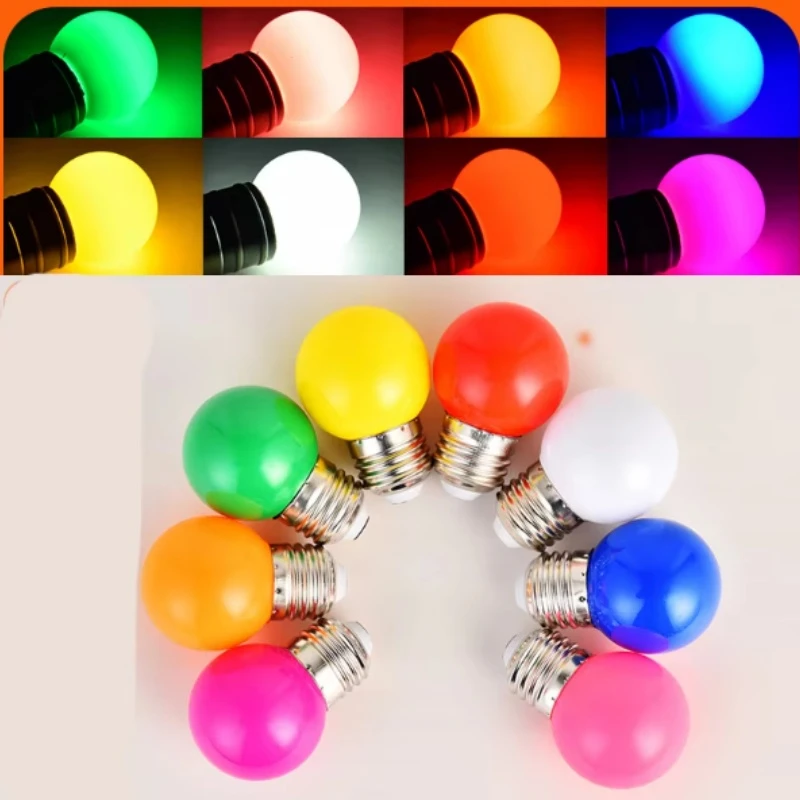
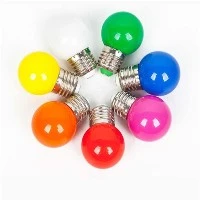
A color LED bulb is a standard-fitting light source (E26, E27, B22, GU10, and similar bases) built with red, green, and blue LED chips - often called RGB - sometimes paired with a separate white chip (RGBW) for cleaner white light. By adjusting the output of each chip, the bulb can produce millions of color combinations from one fixture, controlled through a remote, a wall switch, or an app. Unlike older colored bulbs that used tinted glass to filter a fixed hue, LED versions generate the color electronically, so the same bulb can be red at dinner and blue an hour later.
How the Color-Changing Technology Works
Inside the bulb, a small driver chip mixes the intensity of red, green, and blue diodes the same way a screen mixes pixels. Full red plus full green produces yellow; all three at full output produce white. A built-in receiver - Bluetooth, Wi-Fi, or Zigbee depending on the model - listens for commands from a controller and adjusts each channel in real time. Better-built drivers dim smoothly and hold color accuracy after thousands of switching cycles; lower-quality drivers tend to flicker or drift in color over time, which is one of the clearest indicators of bulb quality when sourcing from a supplier.
Setting Mood and Atmosphere
This is the function most people associate with color LED bulbs, and for good reason. Light color has a measurable effect on how a space feels: cooler tones (blues, whites) read as alert and clean, while warmer tones (ambers, reds) read as relaxed and intimate. A living room can shift from a bright, neutral setting for daytime tasks to a dim amber glow for evening downtime, without touching a single fixture. For hospitality and retail spaces, this same control lets a venue change its entire atmosphere for different times of day or different events, using existing wiring.
Practical Functions Beyond Aesthetics
Color LED bulbs aren't purely decorative. Many models sync with music, TV audio, or ambient sound, useful for parties or home theater setups. Others tie into scheduling and automation, changing color as a visual cue - a bulb turning red, for example, can signal a finished laundry cycle or an incoming notification without needing a phone in hand. In workspaces, adjustable color temperature (not just hue) helps match lighting to the task: cooler light for focus-heavy work, warmer light for reducing eye strain later in the day.
Energy Efficiency and Running Costs
Like standard LEDs, color LED bulbs use a fraction of the electricity of incandescent or halogen bulbs to produce comparable brightness, and they last considerably longer - commonly rated for 15,000 to 25,000 hours depending on build quality. The added electronics for color mixing use slightly more power than a basic single-color LED of the same brightness, but the difference is small enough that it rarely changes the overall efficiency case. For buyers comparing product lines, checking the driver's rated lifespan and lumen maintenance is more telling than the wattage figure alone.
Where Color LED Bulbs Get Used
Residential - living rooms, bedrooms, and accent lighting where mood matters
Hospitality - restaurants, bars, and hotels that change lighting themes by time or event
Retail - storefronts and displays that need to draw attention or match seasonal branding
Entertainment spaces - home theaters, gaming rooms, party lighting
Smart home systems - bulbs that integrate with voice assistants and automation routines
The common thread across all of these is flexibility: one bulb type covering needs that used to require several different fixtures.
Choosing the Right Bulb for the Job
Not every color LED bulb is built the same, and the differences matter once you're sourcing at volume. Key specs worth comparing: color rendering index (CRI) for how accurately the white light renders colors, the connectivity protocol (Wi-Fi bulbs skip the need for a separate hub; Zigbee usually needs one but handles more devices reliably), dimming range, and driver lifespan. Base type and voltage range also matter for buyers supplying different regional markets, since fitting standards vary by country.
Summary
Color LED bulbs do more than change hue - they let a single fixture cover mood lighting, functional signaling, energy-efficient everyday use, and smart-home integration, all through one product category. The right application depends on the space and the buyer's priorities, but the underlying value is consistent: more control from the same wiring, with lower running costs than traditional lighting. For sourcing or product-line decisions, the details in the driver and connectivity specs typically matter more than the color range itself.
https://www.benweilight.com/lighting-tube-bulb/rgb-led-blub/color-led-bulbs.html