I Turned on the Light and Thought It Was Daylight…
Ever had that moment? You screw in a new LED bulb, flip the switch, and suddenly your living room looks like a hospital operating room. Your spouse yells from the kitchen, "Did you just bring the sun inside?"
Or the opposite: you buy a bulb labeled "60W equivalent," pop it into your desk lamp, and it's so dim you have to hold your phone flashlight to find the remote.
Back in the old days, watts told you everything. But with LEDs, watts only tell you how much electricity you're using – not how bright the bulb actually is. So let's break down what really makes an LED light bright – and how to avoid buying a dud.
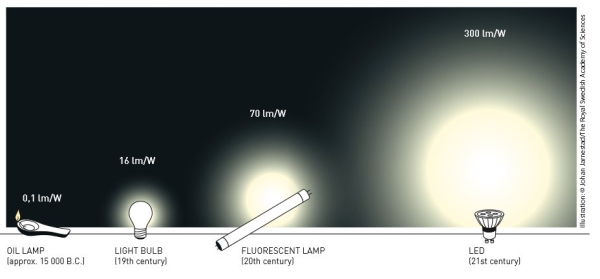
1. Forget watts – look for lumens
With incandescent bulbs, more watts = more light. But LEDs produce the same light using far fewer watts.
- A 7W LED gives about as much light as a 60W incandescent
- A 12W LED is roughly equivalent to a 100W incandescent
So what should you look for on the box? Lumens (lm) – the real measure of brightness.
Here's a quick cheat sheet for North American homes:
| What you need | Lumens (lm) | Old incandescent equivalent |
|---|---|---|
| Night light / accent | 50 – 200 lm | 15W – 25W |
| Bedside reading | 200 – 450 lm | 25W – 40W |
| General room (bedroom, living room) | 450 – 800 lm | 40W – 60W |
| Bright task (kitchen counter, office) | 800 – 1500 lm | 60W – 100W |
| "I thought it was daylight" | 1500 lm+ | 100W+ |
Next time you're at Home Depot or browsing Amazon, ignore the "watts" and go straight to the "lumens" number. It won't lie to you.
2. Efficacy: get more light for your electricity dollar
Why do two different 10W LED bulbs sometimes have very different brightness?
Because one might be cheap junk and the other well‑designed.
The magic number is efficacy (lm/W) – lumens per watt. Higher is better.
- Basic LEDs: 80 – 100 lm/W
- Good LEDs: 100 – 130 lm/W
- Premium (commercial) LEDs: 150 – 200 lm/W
Example:
- Bulb A: 10W, 800 lm → efficacy 80 lm/W (meh)
- Bulb B: 10W, 1300 lm → efficacy 130 lm/W (excellent)
Same electricity cost, but Bulb B is 62% brighter. Look for bulbs with high lumens at low watts – that's where the technology shines.
3. Color temperature: why some lights "feel" brighter even with the same lumens
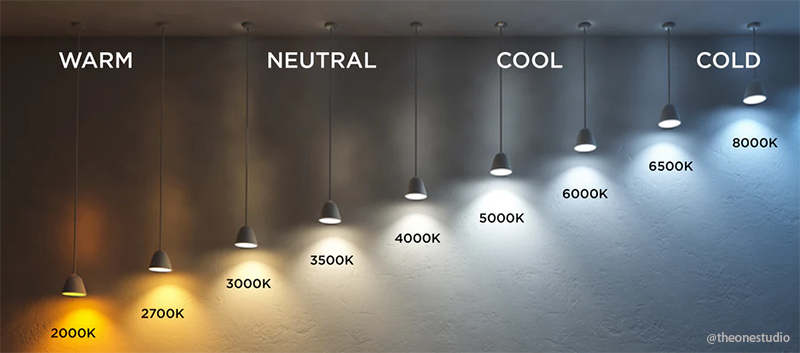
Color temperature is measured in Kelvin (K). It doesn't change the actual number of lumens, but it dramatically changes how your eyes perceive brightness.
- 2700K – 3000K (warm white) – like a classic incandescent or candlelight. Cozy, relaxing, but feels softer.
- 3500K – 4500K (neutral white) – like morning sunlight. Clean and comfortable.
- 5000K – 6500K (cool white / daylight) – like noon on a cloudy day. Crisp, harsh, and feels much brighter to the human eye.
So a 800 lm bulb at 5000K will seem a lot brighter than the same 800 lm at 2700K – even though they are physically the same brightness.
💡 Pro tip for your home
- Living room, bedroom → 2700K – 3000K warm light (makes the space feel cozy).
- Kitchen, bathroom vanity, home office, garage → 4000K – 5000K (keeps you alert and seeing clearly).
- Basement workshop → 5000K – 6500K if you really want that "daylight" effect.
4. CRI (Color Rendering Index): bright but ugly? That's low CRI
Ever tried to match two black socks under a cheap light and they looked like different colors? That's bad CRI.
CRI measures how accurately a light shows colors compared to sunlight (100).
- CRI ≥ 80 – fine for most household uses
- CRI ≥ 90 – noticeably better; colors look natural and vivid
- CRI ≥ 95 – professional grade (art studios, retail displays, makeup mirrors)
A bulb with high lumens but CRI 70 will make everything look dull and grayish. You'll feel like the room is dim even if the numbers say it's bright. Always look for "CRI 80+" on the package – and if you care about color, get CRI 90+.
Energy Star qualified bulbs typically have CRI ≥ 80.

5. Beam angle: flooding vs. spotlighting
Some bulbs light up an entire room. Others throw a narrow cone of light. That's not about brightness – it's about beam angle.
- Wide flood (>100°) – spreads light everywhere. Perfect for ceiling fixtures, flush mounts, and general room lighting.
- Medium (60° – 100°) – typical A19 bulbs, decent for table lamps.
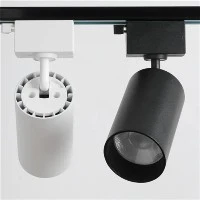
- Narrow spot (15° – 40°) – for recessed cans, track lighting, or highlighting artwork.
If you want that "I thought it was daylight" whole‑room brightness, go with a wide beam angle + high lumens. If you just want to light up a painting on the wall, a 400 lm narrow spot is plenty.
6. Other points that users really care about
✅ Dimmable or not?
Many LEDs are dimmable, but not all. If you put a non‑dimmable LED on a dimmer switch, you'll get flickering, buzzing, or even damage. Look for the word "Dimmable" on the box. And check your dimmer switch – older dimmers may need to be replaced with an LED‑compatible dimmer.
✅ Bulb shape and base
In North America, the most common base is E26 (medium screw). Small decorative bulbs use E12 (candelabra base). Common shapes:
- A19 – standard pear shape
- BR30 / BR40 – for recessed cans (flood lights)
- PAR20 / PAR30 / PAR38 – spotlights for track lighting or outdoor
- G25 / G16.5 – globe bulbs for bathroom vanity
✅ Energy Star & FTC Lighting Facts
Look for the Energy Star label – it guarantees brightness, color, and lifetime claims have been tested. The FTC Lighting Facts label on the box shows lumens, watts, color temperature, and CRI in a standardized way. Trust it.

7. Real‑world shopping checklist (for Amazon, Home Depot, Lowe's, etc.)
When you're buying an LED bulb, read the box or product page in this order:
- Lumens (lm) – the most important number for brightness.
- Beam angle – wide for general lighting, narrow for spot.
- Color temperature (K) – warm vs cool.
- CRI – aim for ≥80, better ≥90.
- Dimmable? – yes/no.
- Watts – useful for estimating electricity cost, but not for brightness.
8. The "daylight" formula – for when you really want to light up the room
"I turned on the light and thought it was daylight"
= ≥1500 lumens + 4000K – 5000K + CRI ≥ 90 + wide beam angle (>100°) + dimmable (if needed)
Next time you're shopping, don't ask the salesperson "How many watts?" – ask:
"How many lumens? What's the CRI? Is it dimmable?"
They'll know you know your stuff.
Hope your next bulb makes everyone in the house say, "Whoa, that's bright." ☀️
✨Contact✨
🙋♀️Harriet
📫Email: bwzm88@benweilighting.com
📞Whatsapp: +8613007285242