

Illuminating the Future of Sustainable Infrastructure with Industrial Solar Street Lights
Overview
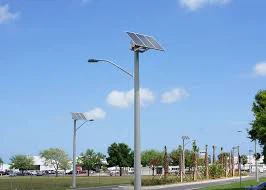
In a time when energy efficiency and environmental sustainability are major worldwide issues, industrial solar street lights have become a ground-breaking outdoor lighting option. These lights provide dependable illumination for a range of commercial, public, and industrial spaces by harnessing the sun's energy, which is renewable and essentially limitless. In order to demonstrate the importance of industrial solar street lights in creating a more sustainable future, this article will examine the main characteristics, advantages, uses, technical developments, and difficulties related to these lights.
Important Characteristics of Industrial Solar Street Lighting
Technology for Solar Panels
The solar panel, which is in charge of turning sunlight into energy, is the central component of industrial solar street lighting. Typically, high-efficiency photovoltaic (PV) materials like monocrystalline or polycrystalline silicon are utilized to make the modern solar panels used in these lights. For example, monocrystalline silicon panels are renowned for their high conversion efficiency, which may typically approach 22–25%. This implies that a greater percentage of sunlight can be converted into electrical energy that can be used. Strong winds, a lot of rain, snow, and extremely high or low temperatures are just a few of the severe weather conditions that these panels are made to endure. Typically, they are positioned to capture the most sunlight possible during the day, which guarantees effective energy production.
Systems for Storing Energy
Batteries are the most prevalent energy storage method found in industrial solar street lighting. Because of its high energy density, extended cycle life, and low self-discharge rate, lithium-ion batteries have grown in popularity. The electricity produced by the solar panels during the day may be stored and used to power the lighting fixtures at night. Battery management systems (BMS), which keep an eye on the battery's temperature, voltage, and charge level, are also a feature of certain sophisticated systems. The street lights will continue to run dependably for a long time thanks to the BMS's assistance in maximizing battery efficiency, preventing overcharging or deep discharging, and extending battery longevity.
Fixtures for Lighting
Bright, consistent illumination is the goal of the lighting fixtures of industrial solar street lights. These fixtures mostly employ LED (Light-Emitting Diode) technology. High energy economy, a long lifespan (up to 50,000 hours or more), little maintenance needs, and rapid on/off capabilities are just a few benefits of LEDs. To satisfy the unique lighting requirements of diverse industrial locations, they may be set up in a variety of ways, including varying wattages and beam angles. Wider-beam-angle LED bulbs, for instance, can be utilized to light up huge regions in big industrial parks, but narrower-beam-angle lights could be more suited for lighting up internal roads and paths.
Systems of Control
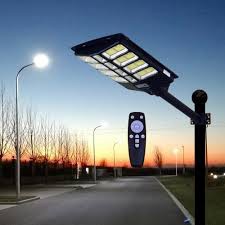
An essential component of industrial solar street lights are sophisticated control systems. These systems have functions like dusk-to-dawn sensors, which remove the need for manual control by turning the lights on at sunset and off at sunrise. Motion sensors are also included in certain systems. When a vehicle or person approaches, the motion sensor recognizes the movement and raises the light's brightness to improve visibility. By cutting down on superfluous lights during idle times, this clever lighting management not only conserves energy but also prolongs battery life. Furthermore, remote control and monitoring solutions are growing in popularity. These increase the overall effectiveness of the lighting system management by enabling operators to keep an eye on the street lights' conditions (such as battery level, light output, and any problems) from a central location and make necessary modifications or repairs.
Industrial Solar Street Lights' Advantages
Cost-effectiveness and Energy Efficiency
The excellent energy efficiency of commercial solar street lighting is one of its biggest advantages. These lights lessen or do away with reliance on the conventional power system by utilizing solar energy. This lessens the burden on the entire power supply system in addition to lowering electricity costs. Long-term cost reductions can be significant in industrial environments, where large-scale lighting is frequently needed. With industrial solar street lights, for instance, a manufacturing facility with a sizable campus might avoid paying for thousands of kilowatt-hours of power annually, saving a substantial amount of money that can be used for other business-related expenses. Furthermore, businesses may more accurately forecast and control their energy expenses since solar energy is practically free (after the first investment in a solar street light system is made). This is because solar energy is not impacted by changes in conventional energy prices.
Sustainability of the Environment
Sustainability in the environment is greatly enhanced by industrial solar street lighting. Because they only use solar energy, they emit no greenhouse gases when in use. This lessens the carbon impact of metropolitan environments and industrial places. Solar street lights are essential in the fight against climate change since they replace conventional grid-powered street lights, which frequently use energy produced from fossil fuels. Furthermore, using solar energy helps to preserve these limited resources for future generations by lowering the demand for non-renewable energy sources. The recyclability of many solar street light components and the lack of hazardous chemicals in LED lighting fixtures further improve their environmental friendliness by reducing the waste and pollutants that come with conventional lighting systems.
Self-reliance and dependability
A significant amount of independence from the electrical grid is provided by industrial solar street lighting. Access to the main power grid may be restricted or unstable in isolated industrial areas, such as mining operations in isolated regions or oil and gas installations in deserts. In these areas, solar street lights are simple to install and offer a self-sufficient illumination option. They are unaffected by any grid power outages, guaranteeing constant lighting for security and safety reasons. In regions vulnerable to natural calamities like hurricanes, earthquakes, or floods, this dependability is especially beneficial. Solar street lights can continue to function in the event of a grid outage, assisting first responders in their navigation and guaranteeing the safety of those in the impacted regions.
Minimal Upkeep Needs
Industrial solar street lights require comparatively less maintenance than conventional street lighting systems. LED lighting fixtures require fewer replacements due to their extended lifespan. Because solar panels are made to last, they also need very little upkeep, only the occasional cleaning to get rid of dust and debris that might reduce their effectiveness. Battery management systems lessen the chance of an early battery failure by maximizing battery performance. Maintenance staff can swiftly detect and resolve any problems without the need for lengthy on-site inspections thanks to remote monitoring and control capabilities, which further lowers maintenance expenses and labor.
Industrial Solar Street Light Applications
Manufacturing Facilities and Industrial Parks
Large spaces in industrial parks and manufacturing complexes sometimes need a lot of illumination for operational, safety, and security reasons. Roads, parking lots, loading docks, and pathways within these establishments may all be illuminated by industrial solar street lights. They guarantee that workers can walk about securely while working nights and that cars may drive through the complex without getting into any collisions. Solar street lights' cost-effectiveness and energy efficiency make them especially appealing to industrial businesses trying to lower operating costs and enhance their environmental performance.
Sites for Mining
Usually, mining operations are situated in isolated locations with difficult access to the electrical grid. For these locations, industrial solar street lights are the perfect option since they offer dependable illumination for haul routes, mine entrances, worker housing areas, and storage facilities. Even in places with little or no access to conventional energy sources, mining activities may continue safely day or night because to solar street lights' capacity to run independently of the grid.
Airports and Ports
Large-scale industrial and transportation hubs like ports and airports need excellent illumination for security and safety. Airport runways, taxiways, aprons, cargo handling facilities, and access roads may all be illuminated by solar street lights. They may illuminate access roads, docks, and container yards at ports, facilitating seamless operations around-the-clock. Solar street lights are a sensible option for these vital infrastructure assets because to their dependability and energy economy, which lowers energy expenses and improves operational safety.
Highways and Roadways
Industrial solar street lights are occasionally also utilized on rural roads and highways, particularly in places where expanding the electrical grid is not financially viable. They can give drivers the necessary lighting, which lowers the chance of collisions, particularly in places with poor nighttime vision. Additionally, the transportation sector's overall environmental sustainability is enhanced by the installation of solar street lighting on these roadways.
Developments in Industrial Solar Street Lighting Technology
Enhanced Efficiency of Solar Panels
The efficiency of solar panels has significantly increased as a result of research and development activities. To boost the rate at which sunlight is converted into energy, new materials and production processes are being investigated. Perovskite solar cells, for instance, have a lot of potential due to their low production costs and high theoretical efficiency. Even though they aren't now commonly utilized in commercial solar street lights, more study might soon make them a practical choice, increasing the lights' capacity to generate electricity.

Intelligent Lighting Systems
Another significant development is the use of smart technology into industrial solar street lighting. Real-time street light monitoring and control are made possible by Internet of Things (IoT)-enabled solutions. Depending on the weather, traffic volume, and time of day, operators can change the lights' brightness. Predictive maintenance and system optimization can benefit from the data that smart lighting systems can gather on energy usage, battery performance, and other factors. To build a more cohesive and effective urban infrastructure, these technologies may also be combined with other smart city projects, such traffic control systems.
Innovations in Energy Storage
Industrial solar street lighting are also benefiting from developments in energy storage technology. Solid-state and flow batteries are two examples of the new battery types in development. Solid-state batteries offer improved safety, a better energy density, and quicker charging times, whereas flow batteries have extended cycle lifetimes and large energy storage capacities. The performance and dependability of industrial solar street lights might be further enhanced by these new battery technologies, which would allow them to store more energy and run for longer periods of time without sunshine.
Problems and Fixes
Costs of the First Investment
The comparatively high initial investment cost of industrial solar street lighting is one of the primary obstacles. Compared to conventional street lighting systems, the cost of buying and installing solar panels, batteries, lighting fixtures, and control systems can be high. To promote the use of renewable energy technology, such as solar street lighting, several governments and organizations provide grants, subsidies, and incentives. Furthermore, solar street lights are a cost-effective solution in the long run since the initial expenditure may be covered by long-term cost savings from decreased maintenance costs and power bills.
Dependency on the Weather
Because industrial solar street lights depend on sunlight for energy generation, weather conditions can have an impact on how well they work. Rain, snow, and overcast days may all cut down on the quantity of sunshine that reaches the solar panels, which might have an effect on how much energy is generated and, in turn, how the lights work. Some systems include backup power sources, including compact diesel generators or emergency grid-connection options, to overcome this difficulty. Furthermore, when sunshine levels are low, sophisticated energy management systems can maximize the usage of stored energy to keep the lights on for a respectable amount of time.
Vandalism and Theft
Industrial solar street lighting may be susceptible to vandalism and theft in some locations. Thieves may target the expensive parts, such batteries and solar panels. Manufacturers are creating stronger and more secure solar street light designs in an effort to counteract this. They utilize tamper-proof enclosures, anti-theft mounts, and remote monitoring systems that can identify tampering or unwanted entry. Campaigns to raise public knowledge of the value and advantages of these sustainable lighting systems can also help to lower theft and vandalism.
In conclusion
An important advancement in the creation of sustainable infrastructure is represented by industrial solar street lighting. They have several advantages, such as energy efficiency, environmental sustainability, independence, and minimal maintenance, thanks to their essential characteristics, which include highly efficient solar panels, sophisticated energy storage systems, and intelligent control mechanisms. They are a flexible lighting solution because of their many uses in commercial, public, and industrial settings. While attempts are being made to tackle the inherent obstacles, technological breakthroughs continue to improve their performance. Industrial solar street lights will surely become more and more significant in illuminating our urban and industrial landscapes as the globe shifts to a more sustainable future, helping to create a more energy-efficient and environmentally friendly society.
more detial : https://www.benweilight.com/inverter/solar-inverter/industrial-solar-street-lights.html


