Why LED Street Lights Are Used
The safety, use, and beauty of cities are greatly influenced by lighting in the constantly changing field of urban infrastructure. LED (light-emitting diode) street lights have been the most popular among the several lighting systems in recent years. LED street lights serve a variety of purposes, from improving urban mobility and public safety to encouraging environmental sustainability and energy efficiency. The various functions that LED street lights fulfill in contemporary urban and rural settings will be thoroughly examined in this essay.
Maintaining Public Safety
Ensuring public safety is one of the main and most essential goals of LED street lighting. Streets that are well-lit discourage criminal activity. Theft, vandalism, and violent crimes are more likely to occur in dimly illuminated places. Because they offer cover for their illicit operations, criminals frequently seek dimly lit streets and alleys. By eliminating these shadowy areas, LED street lights make it easy for law enforcement to keep an eye on the area and for possible victims to identify potential threats.
LED street lights are necessary for people to travel safely. They make it possible for users to observe road crossings, walkways, and any potential dangers like potholes, uneven surfaces, or obstructions on the ground. This lowers the chance of tripping, falls, and other mishaps, particularly for the elderly and people who are blind or visually impaired. People are encouraged to stroll outside and participate in evening activities by the brilliant light from LED street lights, which creates a sense of security at night when visibility is naturally diminished.
LED street lights give drivers a better view of the road ahead, traffic signs, and other cars. Drivers can respond to possible hazards like animals dashing into the road, other cars abruptly braking, or pedestrians crossing the street more rapidly because to the improved visibility. Additionally, clear lighting makes it easier for drivers to discern between lanes, which lowers the possibility of lane-departure collisions. To maintain a smooth traffic flow and avoid collisions, LED street lights at junctions make sure that all users of the road can see the traffic signals.


Improving Urban Transportation
The use of LED street lighting is crucial for improving urban transportation. For people and products to move freely in cities, effective transportation networks are necessary. An important part of this is having well-lit streets. LED street lights make it possible for passengers to see the stops clearly on public transit, such buses and trams, guaranteeing that they can board and exit securely. Additionally, it facilitates nighttime city navigation for these vehicles' drivers, lowering the possibility of delays brought on by low visibility.
When it comes to cycling, streets with LED lighting make the ride safer. Under the strong light, cyclists are easier for drivers to see, which lowers their chance of being missed. Additionally, riders can observe the road conditions, including any debris or fissures that might cause accidents, thanks to the excellent lighting. This promotes a more sustainable urban lifestyle and lessens traffic congestion by encouraging more people to choose cycling as a form of transportation.
Large trucks and delivery vehicles must run securely at night in order to transfer freight. These cars can drive on the roadways without taking needless risks because of low vision thanks to LED street lighting. This helps to ensure the effective circulation of products inside and around the city, which is particularly crucial on key arterial highways and in industrial regions with high freight traffic.
Encouraging Energy Efficiency
Promoting energy efficiency is one of LED street lighting' main goals. High-pressure sodium (HPS) lights and other conventional street lighting methods use a lot of power. LED street lights, on the other hand, use a lot less energy. Compared to many previous lighting technologies, LEDs convert a far larger percentage of electrical energy into visible light instead of dissipating it as heat.
Compared to HPS bulbs, LED street lights usually use 30 to 60% less energy while yet offering the same or higher levels of lighting. The electricity expenses of the towns and local bodies in charge of street lighting are directly impacted by this energy savings. Because there is less demand on the power grid due to lower energy usage, there may be less need for additional infrastructure for power generation. This, in turn, lowers the load on the whole energy supply system and results in cost savings for the construction and maintenance of power plants.
Compared to conventional bulbs, LED street lights offer a longer lifespan in addition to the instant energy savings. HPS lights Why LED Street Lights Are Used
The safety, use, and beauty of cities are greatly influenced by lighting in the constantly changing field of urban infrastructure. LED (light-emitting diode) street lights have been the most popular among the several lighting systems in recent years. LED street lights serve a variety of purposes, from improving urban mobility and public safety to encouraging environmental sustainability and energy efficiency. The various functions that LED street lights fulfill in contemporary urban and rural settings will be thoroughly examined in this essay.
Maintaining Public Safety
Ensuring public safety is one of the main and most essential goals of LED street lighting. Streets that are well-lit discourage criminal activity. Theft, vandalism, and violent crimes are more likely to occur in dimly illuminated places. Because they offer cover for their illicit operations, criminals frequently seek dimly lit streets and alleys. By eliminating these shadowy areas, LED street lights make it easy for law enforcement to keep an eye on the area and for possible victims to identify potential threats.
LED street lights are necessary for people to travel safely. They make it possible for users to observe road crossings, walkways, and any potential dangers like potholes, uneven surfaces, or obstructions on the ground. This lowers the chance of tripping, falls, and other mishaps, particularly for the elderly and people who are blind or visually impaired. People are encouraged to stroll outside and participate in evening activities by the brilliant light from LED street lights, which creates a sense of security at night when visibility is naturally diminished.
LED street lights give drivers a better view of the road ahead, traffic signs, and other cars. Drivers can respond to possible hazards like animals dashing into the road, other cars abruptly braking, or pedestrians crossing the street more rapidly because to the improved visibility. Additionally, clear lighting makes it easier for drivers to discern between lanes, which lowers the possibility of lane-departure collisions. To maintain a smooth traffic flow and avoid collisions, LED street lights at junctions make sure that all users of the road can see the traffic signals.
Improving Urban Transportation
The use of LED street lighting is crucial for improving urban transportation. For people and products to move freely in cities, effective transportation networks are necessary. An important part of this is having well-lit streets. LED street lights make it possible for passengers to see the stops clearly on public transit, such buses and trams, guaranteeing that they can board and exit securely. Additionally, it facilitates nighttime city navigation for these vehicles' drivers, lowering the possibility of delays brought on by low visibility.
When it comes to cycling, streets with LED lighting make the ride safer. Under the strong light, cyclists are easier for drivers to see, which lowers their chance of being missed. Additionally, riders can observe the road conditions, including any debris or fissures that might cause accidents, thanks to the excellent lighting. This promotes a more sustainable urban lifestyle and lessens traffic congestion by encouraging more people to choose cycling as a form of transportation.
Large trucks and delivery vehicles must run securely at night in order to transfer freight. These cars can drive on the roadways without taking needless risks because of low vision thanks to LED street lighting. This helps to ensure the effective circulation of products inside and around the city, which is particularly crucial on key arterial highways and in industrial regions with high freight traffic.
Encouraging Energy Efficiency
Promoting energy efficiency is one of LED street lighting' main goals. High-pressure sodium (HPS) lights and other conventional street lighting methods use a lot of power. LED street lights, on the other hand, use a lot less energy. Compared to many previous lighting technologies, LEDs convert a far larger percentage of electrical energy into visible light instead of dissipating it as heat.
Compared to HPS bulbs, LED street lights usually use 30 to 60% less energy while yet offering the same or higher levels of lighting. The electricity expenses of the towns and local bodies in charge of street lighting are directly impacted by this energy savings. Because there is less demand on the power grid due to lower energy usage, there may be less need for additional infrastructure for power generation. This, in turn, lowers the load on the whole energy supply system and results in cost savings for the construction and maintenance of power plants.
Compared to conventional bulbs, LED street lights offer a longer lifespan in addition to the instant energy savings. While LED street lights may last up to 15 to 20 years, HPS bulbs may need to be replaced every 2 to 5 years, depending on usage. Because of its extended lifespan, bulbs require less maintenance and replacement, which further lowers labor costs, replacement part transportation costs, and old bulb disposal expenses.
Sustainability of the Environment
An important factor in environmental sustainability is the use of LED street lighting. decreased greenhouse gas emissions are a direct result of LED street lighting' decreased energy usage. Since fossil fuels like coal and natural gas provide a significant amount of the power used for street lighting, any decrease in energy consumption also contributes to a reduction in carbon dioxide (CO₂) emissions, a primary cause of climate change.
Additionally, dangerous substances like mercury, which are found in some conventional lighting sources like fluorescent bulbs, are absent from LED street lights. Improper disposal of these mercury-containing lamps at the end of their life cycle can cause mercury to leach into the environment, endangering human health as well as soil and water. LEDs are more ecologically beneficial throughout their whole life cycle, from manufacture to disposal, because they don't contain any toxic elements.
Better light management is another benefit of LED street lighting. They can be made with precision optics to minimize light pollution by directing light precisely where it is required. In addition to interfering with astronomical observations and the behavior of nocturnal animals, light pollution consumes energy by lighting unnecessary parts of the night sky. LED street lights contribute to the preservation of the natural environment and ecological balance by lowering light pollution.
Enhancement of Urban Areas' Aesthetics
In addition to their useful applications, LED street lights are meant to improve the aesthetics of cities. LED street lights may be tuned to provide a variety of illumination effects thanks to advancements in lighting technologies. They create dynamic and eye-catching urban landscapes by being able to be dimmed or brightened in accordance with various times of the day or special occasions.
The color temperature of LED street lights may also be altered. While cooler-white or daylight-colored LEDs can offer business districts or city centers a more contemporary and lively appearance, warm-white LEDs can provide a warm and welcoming ambiance in residential areas. To lend a distinctive and joyous touch to the urban landscape, some towns even utilize colored LED street lights to highlight historical sites, cultural districts, or to commemorate festivals.
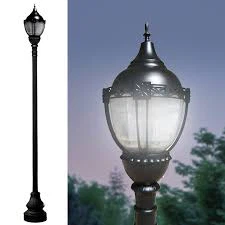
Furthermore, a lot of LED street light bulbs have sleek, contemporary designs that blend in with the surrounding buildings' and public areas' architectural styles. The entire quality of life for locals and the impression made on tourists is improved by the harmonious and aesthetically beautiful cityscape that is produced by integrating lighting design with urban architecture.
In conclusion
To sum up, there are many different and extensive uses for LED street lights. By discouraging crime and safeguarding drivers and pedestrians, they are crucial to maintaining public safety. LED street lights improve urban mobility by making it easier for different forms of transportation to pass freely. Their energy efficiency lowers the strain on the electrical system and results in considerable cost savings. From the standpoint of the environment, they help to minimize hazardous waste, light pollution, and greenhouse gas emissions. Lastly, LED street lights contribute to the visual improvement of cities, making them more appealing and livable. The significance and potential of LED street lights in achieving these many goals are only anticipated to increase with the development of technology, significantly influencing the direction of lighting in both urban and rural areas.
More detial :https://www.benweilight.com/inverter/solar-inverter/led-street-light-fixture.html