Moisture-Resistant Fowl Shed Lighting: Ensuring Durability and Poultry Well-Being
Lighting for poultry sheds that is resistant to moisture is an essential component of contemporary poultry management. This lighting is designed to endure the demanding circumstances of enclosed bird housing while also delivering dependable illumination for the purpose of ensuring the health and production of chickens, ducks, and other types of poultry. By their very nature, poultry sheds are high-moisture settings. The humidity levels in these sheds grow as a result of bird droppings, waterers, and the breathing of the flock, which results in a wet climate that may quickly deteriorate traditional lighting fixtures. It is normal for non-resistant lights to experience problems such as rust, short circuits, and premature failure. These problems can result in uneven lighting, increased safety dangers, and increased expenses for maintenance. On the other hand, lighting that is resistant to moisture is designed to thrive in these conditions. It also combines a sturdy construction with a practical design to ensure that it will continue to work well over time. These lights are not only long-lasting, but they also play an important part in regulating the biological cycles of the birds, assisting in the generation of eggs, and ensuring the general health of the flock. As a result, they are an investment that is essential for both small-scale private coops and big commercial poultry enterprises.
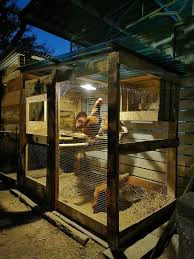

The one-of-a-kind obstacles that the climate presents gives rise to the requirement that lighting for poultry sheds be resistant to dampness. During the cooler months or in coops with a high population density, the humidity in poultry sheds is often very high, frequently surpassing sixty percent. It is possible for this moisture to permeate into electrical components, causing corrosion, short circuits, or even electrical fires. This moisture causes condensation on surfaces, especially lighting fixtures, where it can cause these problems. Standard indoor lights are especially susceptible to damage since they do not have any protective seals or materials that are resistant to corrosion. Furthermore, their metal components rust, their plastic casings deteriorate, and their bulbs burn out prematurely. However, this results in frequent substitutions for poultry keepers, disruptions to the light cycles, and the possibility of dangers to both the birds and the people who handle them. Lights that are resistant to moisture solve these difficulties by incorporating specific elements that prevent water from entering the light source and resist corrosion. This ensures that the lights continue to function normally even in the most humid environments.
It is the ingress protection (IP) rating of the lighting fixture that is essential to the efficiency of moisture-resistant poultry shed lighting. The IP rating is a standardized measurement of the fixture's resistance to solids and liquids. It is suggested that poultry sheds have a minimum certification of IP65. A "6" rating indicates that the fixture is completely protected against dust, while a "5" rating indicates that it is able to handle low-pressure water jets. This requirement is important for the fixture to be able to withstand condensation, splashes from waterers, or periodic cleaning with a hose. Higher ratings, such as IP66 or IP67, provide even more protection. Fixtures with an IP67 certification are able to withstand momentary submersion, which makes them an excellent choice for sheds that experience high humidity on a regular basis or undergo rigorous cleaning procedures. These ratings are not only technical criteria; rather, they are assurances that the light will continue to operate in a secure and dependable manner, therefore lowering the potential for electrical risks in an area where birds and humans interact on a regular basis.
When it comes to lighting for poultry sheds that are resistant to moisture, the materials used are carefully selected to be resistant to corrosion and deterioration. In many cases, the housings of fixtures are constructed from materials that are resistant to rust, warping, and cracking when exposed to moisture. These materials include marine-grade aluminum, stainless steel, and UV-stabilized polycarbonate. The internal components, such as the cabling and connectors, are sealed with rubber gaskets or silicone coatings to prevent water from entering the device. Additionally, the bulbs are enclosed in glass or plastic that is shatterproof and waterproof. Even minute components, such as screws and fasteners, are fabricated from stainless steel to prevent corrosion. This ensures that the complete fixture will continue to be in good condition and perform its intended function over time. These materials not only enhance the lifespan of the light but also maintain its structural integrity, preventing sharp edges or loose pieces that may potentially cause injury to the birds.


The use of LEDs is the predominant kind of lighting technology in moisture-resistant chicken shed fixtures, and there is a strong reason for this. When compared to incandescent or fluorescent bulbs, LED bulbs are intrinsically more resistant to moisture. This is because LED bulbs do not have filaments or delicate tubes that are susceptible to failure when they become wet. Additionally, they function at lower temperatures, which cuts down on the possibility of condensation accumulating on the surface of the fixture. This is a typical problem with hotter bulbs, which tend to attract moisture as they cool down. Light-emitting diodes (LEDs) are more energy-efficient than incandescent bulbs, requiring 70–80 percent less electricity. This is an essential feature for poultry sheds, where the lights may be left on for 14–16 hours a day in order to stimulate egg production. Their lengthy lifespan, which typically ranges from 25,000 to 50,000 hours, reduces the frequency with which they need to be replaced. This is a considerable benefit in situations where maintenance is both expensive and time-consuming, such as in shed ceilings that are difficult to access or in big commercial operations.
Lighting for poultry sheds that are resistant to moisture emits a light spectrum that is specifically designed to meet the requirements of poultry, with the primary goal of enhancing both health and production. In the same way that their non-resistant counterparts do, these lights often emit a warm, amber-toned light in the range of 2700K–3000K, which is similar to the morning and evening light that occurs naturally. The pineal glands, which are responsible for regulating reproductive cycles, are stimulated by this spectrum, which in turn increases food, activity, and egg production in birds. Light with a temperature of 4000K or above is normally avoided because it has the potential to induce stress or alter sleep patterns, which can result in decreased egg laying or aggressive behavior. Keepers are able to alter the light intensity to fit the time of day, making it brighter in the morning to rouse the flock and darker in the evening to promote roosting, without affecting the fixture's ability to withstand moisture. LED lights that are moisture-resistant typically have dimming capabilities.
Uneven illumination can generate dark nooks where birds may gather, which can lead to overpopulation or violence, or bright patches that induce stress. Light distribution is another important factor to take into mind since inconsistent illumination can create these dark corners. Fowl shed lights that are resistant to moisture are constructed with beams that are wide and diffused, generally spanning 120 degrees or more, to ensure that they provide coverage that is uniform across the whole shed. This is especially crucial in big commercial sheds, where a number of different fixtures need to collaborate in order to get rid of shadows. There are types that have angles that can be adjusted, which enables keepers to direct light toward feeding locations, nesting boxes, or perches. This ensures that vital regions receive sufficient illumination. Even in small coops, a single moisture-resistant lamp that is strategically positioned and has a broad beam may illuminate the whole room, so assisting the birds in their normal activities and lowering the amount of stress they experience.
Even under difficult situations, the installation and maintenance of lighting for fowl sheds that are resistant to dampness are designed to be user-friendly. A secure mounting option, like as heavy-duty brackets or chains, is included with fixtures. These mounting choices hold the fixtures firmly to the walls or ceilings, minimizing movement that may cause seals to become loose over time. Because the wiring is frequently pre-terminated with connections that are resistant to moisture, the installation process is simplified and does not require the use of any specialist materials. When it comes to maintenance, several models come equipped with easy-access panels or twist-off covers that enable bulb replacement without exposing internal components to moisture. This ensures that the fixture's IP rating is maintained even while it is being serviced. This simplicity is essential for poultry keepers, who may not have any prior experience with electricity but need to ensure that their sheds continue to function with as little interruption as possible.
When it comes to lighting for poultry sheds, safety is of the utmost importance, and moisture-resistant fixtures incorporate safeguards that go beyond the standard electrical safety measures. Numerous products are certified by organizations such as Underwriters Laboratories (UL) or Conformité Européenne (CE), which guarantees that they are in compliance with stringent criteria for electrical insulation, heat resistance, and prolonged durability. Overheat protection is a frequent feature, and it consists of built-in sensors that turn off the light automatically if the temperature rises to an unsafe level. This eliminates the risk of fire in a room that contains combustible bedding such as straw, wood shavings, or other similar materials. Moreover, many versions are equipped with surge protection, which protects against electrical spikes that have the potential to cause damage to components. This is especially important in rural locations that have unreliable power sources. When you consider that the lighting system is meant to safeguard both the flock and the structure of the shed, these features provide you the piece of mind that these features bring.
The illumination in poultry sheds that are resistant to moisture has a major influence on the health of chickens as well as their output. Providing the birds with dependable and consistent illumination helps to regulate their circadian cycles, which in turn ensures that they receive sufficient rest and exercise. These are two of the most important components in maintaining a robust immune system and lowering the risk of stress-related diseases. In order to maintain a steady egg production rate, it is vital for laying hens to have stable light cycles. These cycles normally consist of 14–16 hours of light followed by 8–10 hours of darkness. Moisture-resistant lights guarantee that these cycles are never disturbed by failing fixtures. In addition, broilers reap the benefits of continuous illumination since it promotes consistent feeding and growth, which ultimately results in more uniform individual development. In addition, sheds that are well-lit and have even lighting make it simpler for keepers to monitor the flock for any symptoms of disease or damage. This makes it possible for keepers to intervene earlier and care for the flock more effectively overall.
LED lighting for poultry sheds that is resistant to moisture offers a number of long-term benefits, including energy efficiency. It is possible that the initial investment may be larger than that of normal lights; however, the long lifespan and decreased energy usage will result in considerable cost savings over the course of the years. The usage of a 10-watt LED fixture, for instance, consumes just 10 watts of power in comparison to a 60-watt incandescent bulb, which results in an 80 percent reduction in the amount of money spent on energy for the same level of illumination. The fixture has a lifespan of 50,000 hours, which corresponds to savings of hundreds of dollars during its lifetime. This is not to mention the decreased labor expenses that result from fewer replacements. These savings may be enormous for commercial businesses that have dozens of sheds, which is why moisture-resistant LED lighting is not just a practical decision but also a financially wise one.
When choosing lighting for a fowl shed that is resistant to moisture, there are various considerations that should influence the selection. Two factors-the size of the shed and the number of birds-determine the number of fittings and the wattage of those fixtures. For example, a tiny coop with ten hens would need one light that is ten watts, while a huge commercial shed that houses five hundred birds might require many lamps that are twenty to thirty watts each. The moisture levels of the shed should be commensurate with the IP rating, which should be IP65 for moderate humidity and IP66 or higher for really damp situations. The light spectrum is also very significant, with the warm white light ranging from 2700K to 3000K being the most appropriate for poultry. For the purpose of imitating natural light cycles, dimming capabilities and timers are quite useful. Additionally, the convenience of installation and maintenance should be taken into consideration, taking into account the technical expertise of the keeper.
In conclusion, lighting for poultry sheds that is resistant to moisture is more than simply a long-lasting fixture; it is an essential component of effective poultry management. The ability of these lights to tolerate high humidity, condensation, and the occasional splashes of fowl sheds enables them to provide steady lighting that is beneficial to the birds' health, facilitates the regulation of their behavior, and increases their production. They offer dependability and peace of mind in a demanding environment with to features like as IP65+ ratings, materials that are resistant to corrosion, energy-efficient LEDs, and comprehensive safety certificates. Investing in lighting that is resistant to moisture may decrease the costs of maintenance, limit dangers, and offer a stable and healthy environment for poultry to thrive in. This is true whether the lighting is for a tiny backyard coop or a big commercial business. As the practice of raising poultry continues to develop, these specialized lights continue to be an essential tool. This demonstrates that successful farming is dependent on the appropriate equipment just as much as it is on the care that is provided to the animals themselves.
there have you want:https://www.benweilight.com/industrial-lighting/led-freezer-light/moisture-resistant-fowl-shed-lighting.html