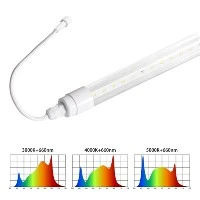
No Mud, No Rain, No Problem: The IP65 LED Batten Light That Outshines the Mess!
Imagine walking into your garage after a rainstorm, only to find your old fluorescent tube flickering like a dying candle-dampness seeping into its casing, dust clogging the bulbs, and a dim glow that barely lights up the tools you need. Or picture a warehouse in the middle of a summer downpour, where leaky roofs and humid air have turned once-bright lighting fixtures into dim, unreliable nuisances. For too long, spaces prone to moisture, dust, or grime have been stuck with subpar lighting solutions that wilt under pressure, leaving users frustrated, unsafe, and stuck in a cycle of constant replacements. But enter the IP65 LED batten light: a tough, resilient, and surprisingly smart lighting solution that laughs in the face of mud, rain, and mess. In this article, we'll dive into why this unassuming fixture is revolutionizing lighting for messy environments, how its IP65 rating makes it a game-changer, and why it's time to swap out your finicky old lights for something that's built to outshine the chaos.
The Curse of Messy Spaces: Why Traditional Lighting Fails
Let's start with the problem: messy spaces-garages, workshops, warehouses, outdoor patios, barns, and even kitchens and bathrooms-are lighting graveyards. Traditional lighting options, from incandescent bulbs to fluorescent tubes, were never designed to handle the chaos of these environments. Fluorescent battens, once a staple in such areas, are particularly notorious for their fragility. Their glass tubes shatter easily if knocked by a tool or a stray ladder, and their ballasts are magnets for dust and moisture. Over time, dust clogs their vents, moisture seeps into their wiring, and they start flickering, dimming, or burning out entirely. In humid garages, they might last a year at best before needing replacement. In outdoor spaces exposed to rain or snow? Even less.
Incandescent bulbs fare worse. They're sensitive to temperature changes, and any exposure to moisture-even a small leak-can short them out. They also generate massive amounts of heat, which, in dusty environments, creates a fire risk as dust accumulates on the bulb's surface. LED bulbs, while more efficient than incandescent, often come in standard housings that lack proper sealing. A typical indoor LED bulb might have an IP20 rating, meaning it's protected from nothing more than large debris-useless in a garage where oil splatters, sawdust, and rainwater (from an open door) are daily realities.
The result? Constant headaches. Homeowners and business owners waste time replacing bulbs, electricians rack up bills fixing water-damaged wiring, and spaces stay dim or unsafe because the lighting can't keep up with the mess. It's a cycle of frustration that's been accepted for far too long. But the IP65 LED batten light is here to break that cycle.
Decoding IP65: What Makes This Light "Mess-Proof"?
To understand why the IP65 LED batten light is a hero for messy spaces, we first need to decode its superpower: the IP65 rating. IP stands for "Ingress Protection," a global standard that classifies how well a device resists the intrusion of solids (like dust) and liquids (like water). The two numbers following IP tell the story: the first rates solid protection (on a scale of 0 to 6), and the second rates liquid protection (0 to 9K).
For the IP65 rating, the breakdown is simple but impressive. The "6" in IP65 means the fixture is completely dust-tight. No amount of sawdust, dirt, or debris can penetrate its casing-critical for workshops, barns, or warehouses where dust is a constant companion. Unlike traditional fluorescent tubes with vented housings that trap dust and reduce brightness, an IP65 batten's sealed design keeps dust out, ensuring it stays bright and efficient for years.
The "5" in IP65 refers to liquid protection: it's protected against low-pressure water jets from any direction. In practical terms, this means you can hose down your garage floor without worrying about water damaging the light. It can withstand rain blowing in through an open warehouse door, splashes from a kitchen sink, or even the occasional pressure washer spray (within reason). This level of water resistance is a game-changer for outdoor spaces like covered patios, loading docks, or agricultural sheds, where rain and humidity are unavoidable.
But the IP65 rating isn't just about sealing off the light-it's about smart engineering. Manufacturers achieve this protection through durable materials like shatterproof polycarbonate casings, rubber gaskets around seams, and sealed electrical components. These design choices don't just keep mess out; they also make the light shock-resistant and long-lasting, even in rough environments where bumps and knocks are common.
Beyond Durability: The LED Advantage in Messy Spaces
While the IP65 rating is the star of the show, the "LED" part of "IP65 LED batten light" is equally crucial. LEDs (Light Emitting Diodes) have already revolutionized lighting with their energy efficiency and longevity, but in messy spaces, their benefits shine even brighter.
First, energy efficiency. Traditional fluorescent battens guzzle energy compared to LEDs. A typical 4-foot fluorescent tube uses around 32 watts, while an equivalent IP65 LED batten uses just 18–24 watts-cutting energy consumption by up to 40%. In high-use spaces like warehouses or 24/7 workshops, this translates to massive savings on utility bills. Over the lifespan of the light, those savings can far outweigh the initial cost, making LEDs a smart long-term investment.
Second, longevity. LEDs are built to last. A quality IP65 LED batten can have a lifespan of 50,000–100,000 hours, compared to 10,000–15,000 hours for fluorescent tubes. In a space that's lit 8 hours a day, 5 days a week, that's over 25 years of use for an LED batten-versus just 5–7 years for a fluorescent. This longevity is a lifesaver in hard-to-reach areas, like high warehouse ceilings or outdoor fixtures mounted on tall poles, where replacing lights is a hassle (and often requires hiring professionals). With LEDs, you'll spend less time climbing ladders and more time focusing on the work that matters.
Third, consistent brightness and color rendering. Unlike fluorescent tubes, which dim over time and flicker when exposed to cold or moisture, LED battens maintain their brightness and color consistency throughout their lifespan. They also offer better color rendering index (CRI) ratings, typically 80+ on a scale of 0–100, meaning they accurately reflect the true colors of objects. This is crucial in workshops where identifying tools, materials, or defects relies on clear, true-to-life lighting. In garages, it means seeing oil stains on the floor or paint colors correctly. In agricultural settings, it helps farmers inspect crops or livestock with clarity.
Fourth, low heat output. LEDs emit very little heat compared to incandescent or halogen bulbs, and even less than fluorescent tubes. This is a huge safety benefit in messy spaces. In dusty workshops, less heat means less risk of dust igniting. In humid environments like barns or kitchens, it reduces the chance of condensation forming inside the fixture (a problem that plagues traditional lights). It also makes the fixture safer to touch, which is useful in spaces where people might brush against it, like tight garages or busy warehouses.
Where the IP65 LED Batten Light Shines (Literally)
The beauty of the IP65 LED batten light lies in its versatility. It's not just for one type of messy space-it's a jack-of-all-trades that excels in a wide range of environments. Let's explore some of its most impactful applications:
1. Garages and Workshops: The DIYer's Best Friend
For homeowners and hobbyists, the garage is often a multi-purpose space: a workshop for woodworking, a storage area for tools, a parking spot for cars, and sometimes even a weekend project zone. It's also a magnet for mess: oil drips from cars, sawdust from projects, dirt tracked in from the yard, and humidity that creeps in during rainstorms. Traditional garage lighting-often old fluorescent tubes or cheap incandescent bulbs-struggles here. They flicker when damp, get clogged with dust, and dim so much over time that finding a lost screw becomes a frustrating treasure hunt.
The IP65 LED batten light transforms the garage. Its dust-tight design means sawdust and dirt won't gum up the works, and its water resistance handles accidental spills or rain blowing in through an open door. With bright, consistent lighting, DIYers can see their projects clearly, reducing eye strain and mistakes. The long lifespan means no more climbing ladders every few months to replace burnt-out bulbs, and the energy efficiency keeps utility bills low-even if you're spending weekends sanding, painting, or fixing cars.
2. Warehouses and Industrial Spaces: Durability for the Long Haul
Warehouses and factories are tough on lighting. They're large, often poorly insulated, and exposed to dust from pallets, moisture from loading docks, and vibrations from machinery. Traditional high-bay lighting or fluorescent tubes in these spaces require constant maintenance: bulbs burn out, ballasts fail, and dust accumulation reduces brightness, making it hard for workers to read labels, operate machinery safely, or spot hazards.
IP65 LED batten lights thrive here. Mounted high on ceilings or along aisles, they resist dust from stored goods and moisture from open doors. Their shock-resistant casings stand up to vibrations from forklifts or heavy equipment. With their long lifespan, warehouses can cut down on maintenance costs and downtime-no more shutting down aisles to replace lights. The bright, even illumination also improves safety, reducing the risk of trips, falls, or equipment accidents.
3. Outdoor Spaces: Lighting That Braves the Elements
Outdoor lighting is a challenge. Rain, snow, humidity, and even coastal salt spray can wreck traditional fixtures. Covered patios, pergolas, loading docks, and outdoor workshops all need lighting that can handle the weather.
IP65 LED batten lights are perfect for these spots. Mounted under a patio roof, they'll stay bright through rainstorms, ensuring evening gatherings aren't left in the dark. Along loading docks, they resist snowmelt and splashes from trucks, keeping workers safe during early morning or late-night shifts. In coastal areas, their sealed casings protect against salt corrosion, a common issue that shortens the life of unprotected lights. Unlike outdoor floodlights that cast harsh, uneven light, batten lights provide linear, uniform illumination-ideal for lighting walkways, seating areas, or workbenches.
4. Agricultural Settings: Lighting for Barns and Greenhouses
Farms and agricultural facilities are some of the messiest spaces on earth. Barns house livestock, leading to humidity, manure dust, and occasional water spills. Greenhouses are humid by design, with condensation dripping from ceilings and frequent watering of plants. Traditional lighting in these spaces is a nightmare: bulbs burn out quickly, fixtures rust, and dim light makes it hard to monitor animal health or plant growth.
IP65 LED batten lights are a farmhand's dream. In barns, they resist dust from hay and manure, and their water resistance handles spills or pressure washing (a must for keeping barns clean). Their low heat output is safe around animals, and their bright, consistent light helps farmers check on livestock at any hour. In greenhouses, their moisture resistance stands up to high humidity, and their adjustable color temperatures (some models offer warm or cool white) can even support plant growth-with cool white light (6000K–6500K) mimicking sunlight to boost photosynthesis.
5. Kitchens and Commercial Food Prep Areas: Clean, Safe Illumination
Commercial kitchens are hot, humid, and prone to splatters-from water, oil, and food. Lighting here needs to be bright enough for chefs to prep ingredients, spot spills, and ensure food safety, while resisting moisture and grease buildup. Traditional kitchen lighting, like recessed bulbs or fluorescent tubes, can trap grease and moisture, becoming breeding grounds for bacteria or fire hazards.
IP65 LED batten lights are a hygienic solution. Their sealed casings prevent grease and water from seeping in, making them easy to clean with a damp cloth or mild disinfectant-critical for meeting food safety standards. Their bright, even light illuminates countertops, stovetops, and prep areas, reducing eye strain for chefs during long shifts. They also stand up to the high humidity of dishwashing areas, where steam and water are constant companions.


Real-World Success Stories: How IP65 LED Batten Lights Are Changing the Game
To truly understand the impact of IP65 LED batten lights, let's look at some real-world examples of users who swapped out their old lighting and never looked back.
Case Study 1: The Busy Auto Garage
A family-owned auto repair shop in Texas had struggled with lighting for years. Their garage, with high ceilings and frequent door openings, was exposed to dust from cars, rain during storms, and humidity in the summer. They were replacing fluorescent tubes every 6–8 months-each replacement requiring a ladder, disrupting work, and costing \(20–\)30 per bulb, plus labor. The lights also dimmed significantly in humid weather, making it hard for mechanics to spot small issues in engine bays.
After switching to IP65 LED batten lights, the difference was immediate. The new lights stayed bright even on rainy days, and the dust-tight design meant no more dimness from clogged fixtures. Two years later, they hadn't replaced a single bulb. The mechanics reported less eye strain, and the shop's energy bill dropped by 35%-saving them hundreds of dollars annually. "We used to dread lighting issues," said the shop owner. "Now, we don't even think about it. The lights just work, no matter how messy things get."
Case Study 2: The Coastal Warehouse
A seafood distribution warehouse in Maine faced unique challenges: high humidity from stored seafood, salt spray from its coastal location, and dust from pallets of ice and packaging. Their old metal-housed fluorescent lights rusted quickly, with ballasts failing every few months due to moisture. The dim, flickering light made it hard for workers to read expiration dates on packages or spot damaged goods, leading to waste and safety concerns.
Installing IP65 LED batten lights solved these problems. The polycarbonate casings resisted rust and salt corrosion, and the sealed design kept moisture out of electrical components. The bright, consistent light made it easier to check inventory, reducing waste by 15%. Maintenance costs plummeted-no more monthly ballast replacements-and the warehouse's energy use dropped by 40%. "It's like night and day," said the warehouse manager. "We used to have a 'lighting budget' for replacements; now, that money goes straight to our bottom line."
Case Study 3: The Small-Scale Farmer
A vegetable farmer in Oregon used a greenhouse to grow tomatoes and peppers year-round. The greenhouse's high humidity and frequent watering led to condensation dripping on traditional LED lights, which shorted out every 3–4 months. The dim light also meant slower plant growth, as the weak bulbs couldn't provide enough brightness for photosynthesis.
Switching to IP65 LED batten lights with a 6500K cool white color temperature transformed the greenhouse. The sealed casings withstood the humidity, and the brighter light boosted plant growth-tomato yields increased by 20% in the first harvest after installation. The farmer no longer wasted time replacing lights, and the energy efficiency of the LEDs reduced the greenhouse's electricity costs, which are critical for maintaining climate control. "These lights don't just survive the humidity-they help my plants thrive," the farmer noted.
Choosing the Right IP65 LED Batten Light: What to Look For
If you're ready to upgrade to an IP65 LED batten light, here are key factors to consider to ensure you get the best fit for your space:
IP65 Certification: Don't Settle for Less
Not all "waterproof" lights are created equal. Look for a genuine IP65 certification from a reputable testing body (like CE, UL, or ETL). Some manufacturers claim "water-resistant" without official certification-these may not stand up to real-world mess.
Brightness (Lumens) and Color Temperature
Brightness is measured in lumens; higher lumens mean brighter light. For garages or workshops, aim for 100–150 lumens per square foot. Color temperature (measured in Kelvin, K) affects the light's tone: warm white (2700K–3000K) is cozy for patios or kitchens, while cool white (5000K–6500K) is better for task-oriented spaces like workshops or warehouses, as it mimics daylight.
Length and Mounting Options
IP65 LED batten lights come in various lengths (2ft, 4ft, 6ft) to fit different spaces. Measure your area to ensure the length matches your needs. Also, check mounting options: surface-mounted (direct to walls/ceilings), suspension-mounted (hung from ceilings with chains), or recessed (if your space allows).
Dimming and Smart Features
Some models offer dimming capabilities or compatibility with smart home systems (like Alexa or Google Home), allowing you to adjust brightness or set schedules. This is useful for spaces where lighting needs vary, like patios (brighter for parties, dimmer for evening relaxation) or warehouses (dimming during off-hours to save energy).
Warranty and Brand Reputation
A good warranty (5–10 years) is a sign of quality. Reputable brands stand behind their products, offering replacements or repairs if issues arise. Read reviews to see how other users rate the light's durability and performance in messy environments.
The Future of Mess-Proof Lighting: What's Next for IP65 LED Batten Lights?
As LED technology continues to advance, IP65 batten lights are only getting better. Manufacturers are focusing on even greater energy efficiency, with some models now achieving 150 lumens per watt (compared to 100 lumens per watt a few years ago). This means brighter light with even lower power consumption.
Smart features are also becoming more common. Imagine a garage light that automatically brightens when you open the door, dims when no one's around, or alerts you via your phone if a bulb needs maintenance-all while resisting dust and rain. Solar-powered IP65 LED batten lights are also emerging, perfect for remote outdoor spaces like barns or rural workshops where access to electricity is limited.
Sustainability is another key trend. Many brands now use recycled materials in casings and offer easy recycling programs for old bulbs, reducing the environmental impact of lighting. As more industries prioritize eco-friendly practices, IP65 LED batten lights are poised to become a staple in green building and sustainable design.
Conclusion: No More Mess, No More Stress-Lighting That Keeps Up
Messy spaces don't have to mean dim, unreliable lighting. The IP65 LED batten light is a testament to how smart engineering can solve everyday problems, turning frustrating, high-maintenance lighting into a set-it-and-forget-it solution. With its dust-tight, water-resistant design, energy efficiency, long lifespan, and bright, consistent light, it's the perfect companion for garages, warehouses, outdoor spaces, agricultural facilities, and beyond.
Whether you're a DIY enthusiast tired of replacing garage bulbs, a warehouse manager looking to cut costs, or a farmer needing reliable greenhouse lighting, the message is clear: IP65 LED batten lights outshine the mess. They don't just survive mud, rain, and dust-they thrive in it, providing the bright, durable lighting you need to focus on what matters most. So why settle for lights that wilt under pressure? Upgrade to an IP65 LED batten light, and let your space shine-no mess, no problem.
http://Mobile/Whatsapp :(+86)18673599565
Email:bwzm15@benweilighting.com
https://www.benweilight.com/lighting-tube-bulb/led-batten-light-ip65.html