Smart Street Lighting Systems: Building the Backbone of Smart Cities
Smart street lighting systems are becoming a foundational component of modern smart cities. Unlike traditional street lights that operate on fixed schedules, smart lighting networks use sensors, connectivity, and data analytics to optimize performance in real time.
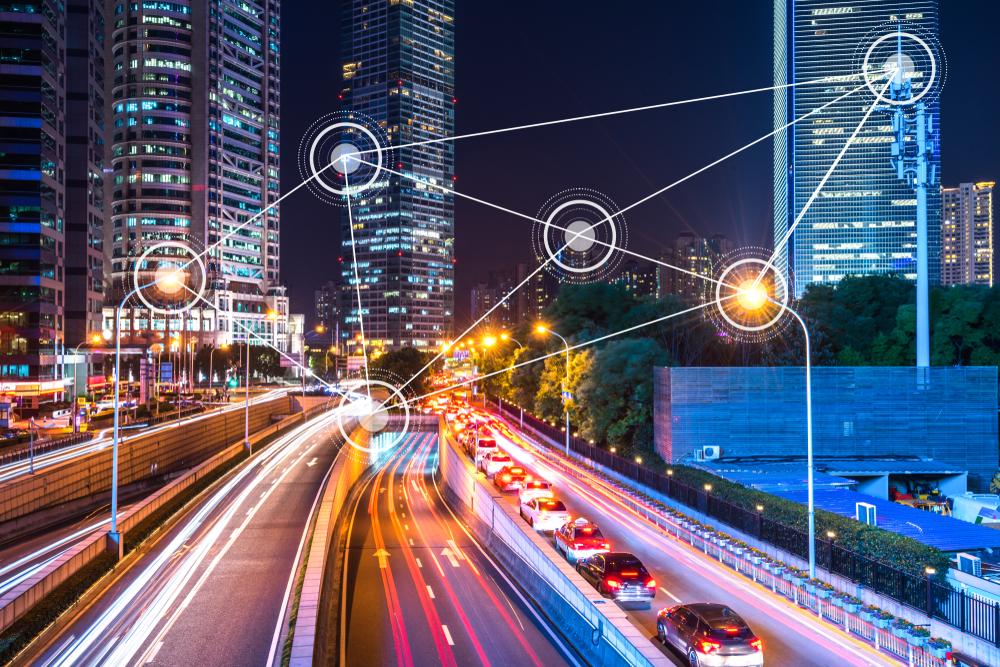
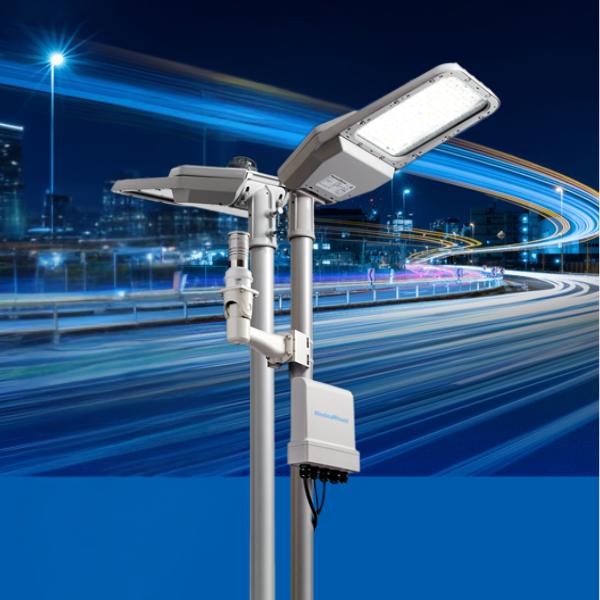
At the core of these systems is IoT-enabled LED street lighting. Each lighting pole is equipped with communication modules that allow it to connect to a centralized control platform. This enables city operators to monitor and control thousands of street lights remotely.
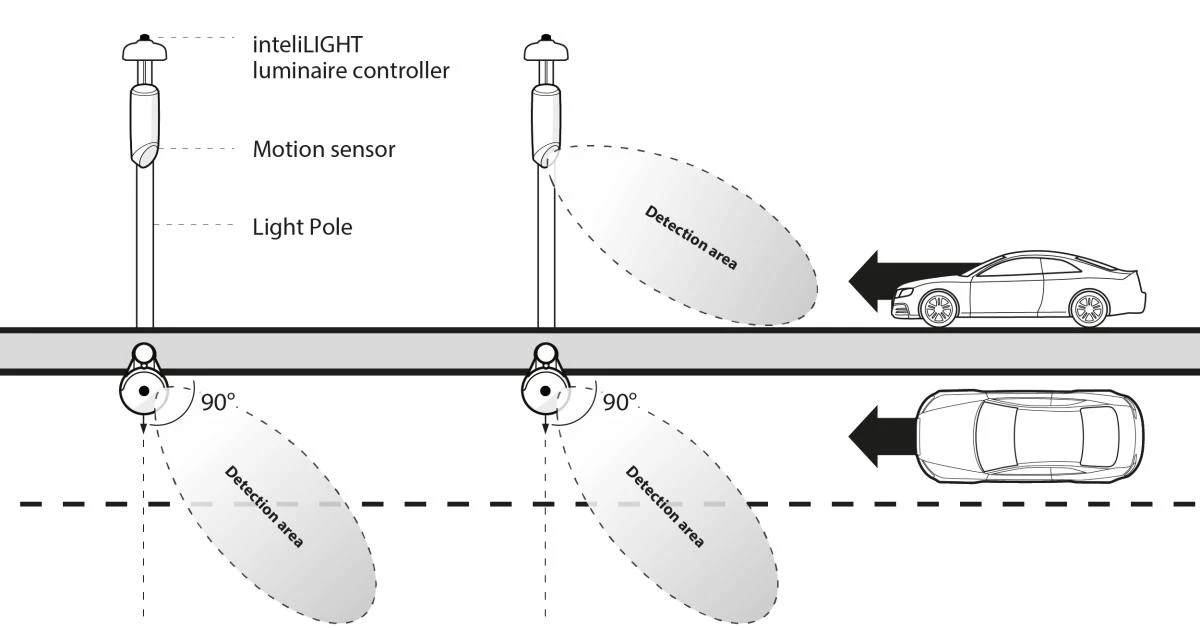
One of the most important features of smart street lighting is adaptive brightness control. Using motion sensors and traffic data, lights can automatically adjust their intensity based on real-time conditions. For example, lighting levels can be reduced during low-traffic hours to save energy, then increased when pedestrians or vehicles are detected.
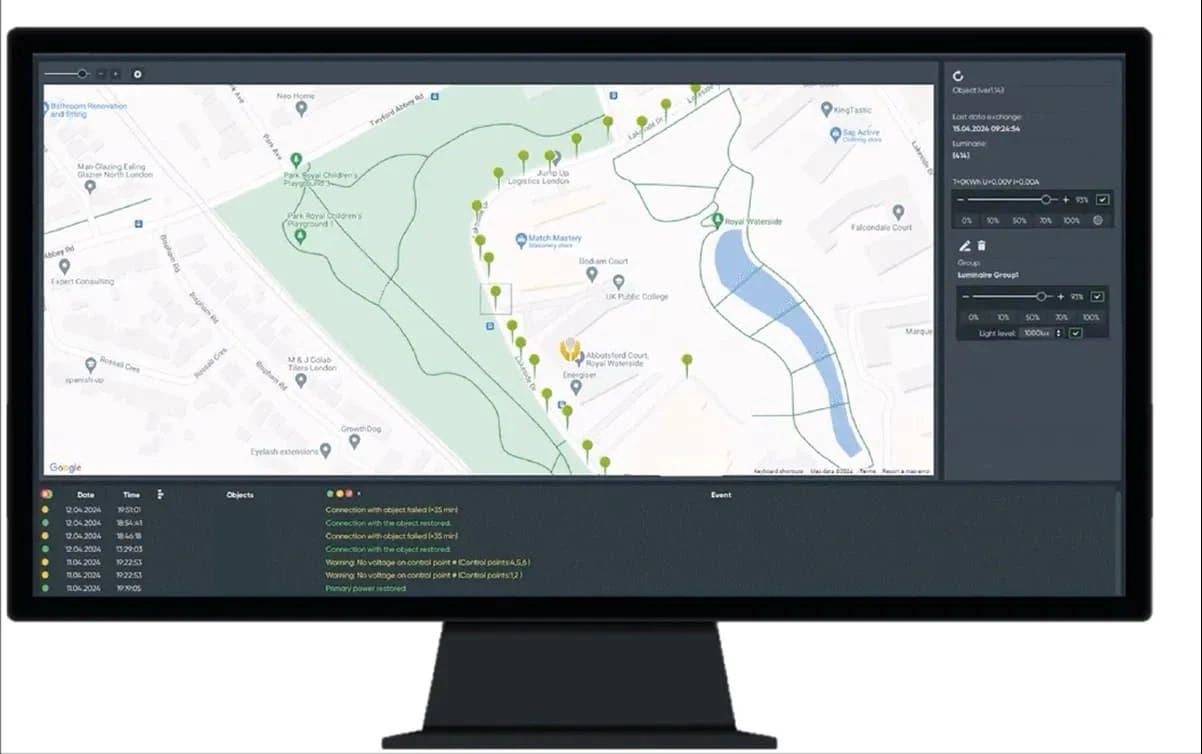
Another key benefit is predictive maintenance. Smart systems can detect failures or performance anomalies before they become visible. This allows maintenance teams to replace faulty components proactively, reducing downtime and maintenance costs.
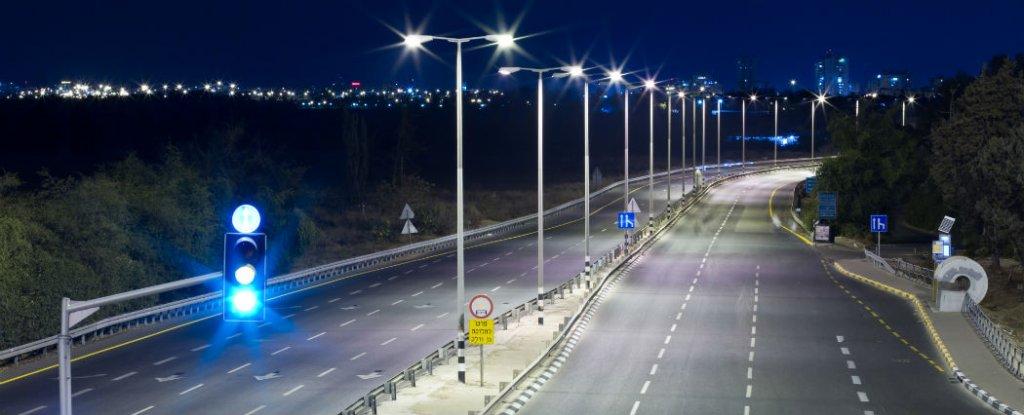
Energy efficiency is a major driver of adoption. Compared to traditional high-pressure sodium lamps, LED-based smart street lighting can reduce energy consumption by up to 60–70%, depending on usage patterns and control strategies.
Smart street lighting also plays a role in public safety. Better visibility reduces accident risk, while integrated sensors can support emergency response systems or security monitoring in urban areas.
From a data perspective, these systems generate valuable insights about urban activity. Cities can analyze traffic flow, pedestrian movement, and environmental conditions to support urban planning and infrastructure development.
Integration with smart city platforms is becoming increasingly common. Street lighting systems are now being connected with traffic management systems, public transport networks, and environmental monitoring stations.

Despite the advantages, challenges remain. These include high initial investment costs, interoperability between systems, and cybersecurity concerns.
However, as technology matures and costs decrease, smart street lighting is expected to become a standard feature of urban infrastructure worldwide.