The Role of LED Lighting in Sustainable Green Building Design
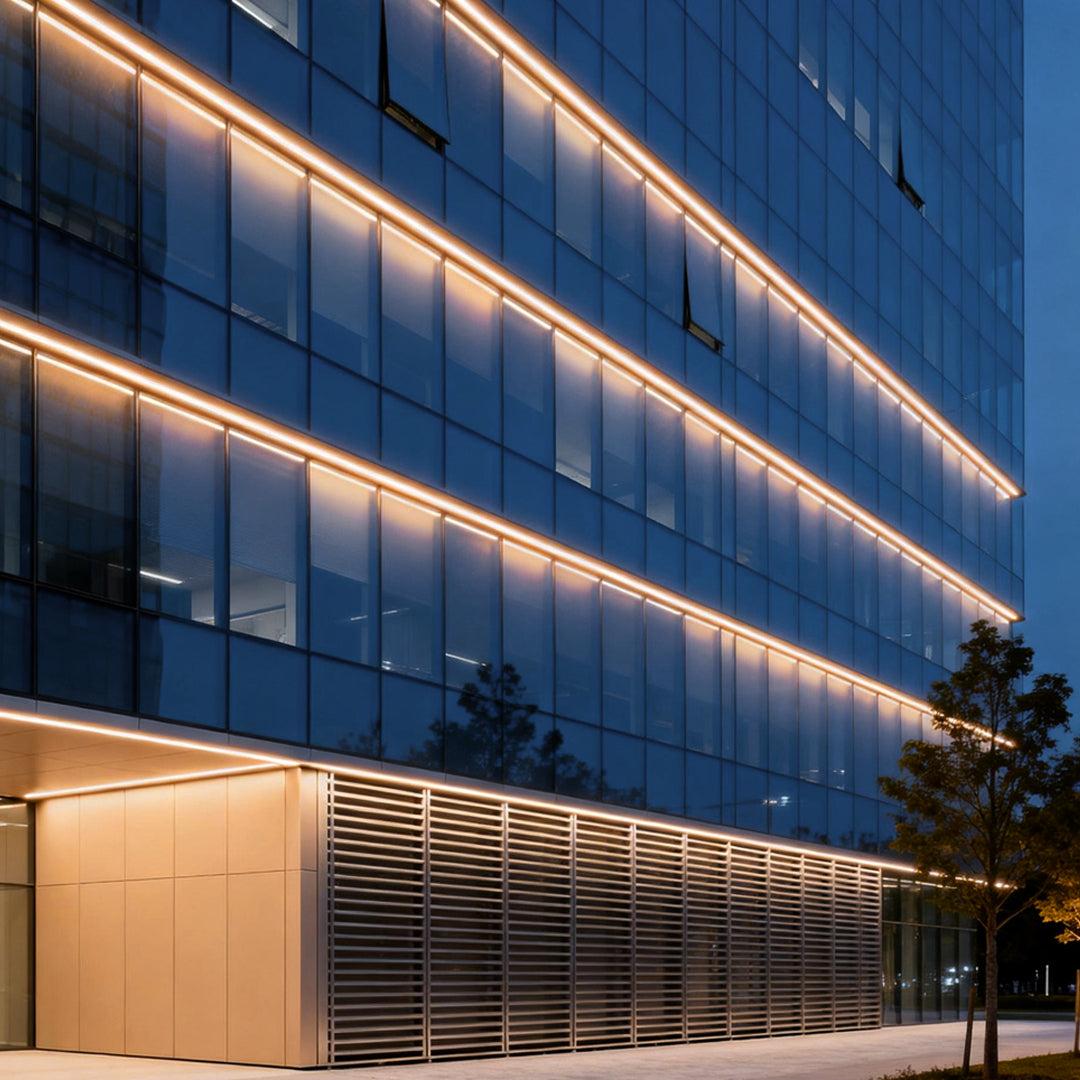
Sustainability has become a defining factor in modern architecture, and LED lighting plays a central role in achieving green building standards.
Green building certifications such as LEED, WELL, and BREEAM emphasize energy efficiency, environmental impact reduction, and occupant well-being. LED lighting directly supports all of these objectives.
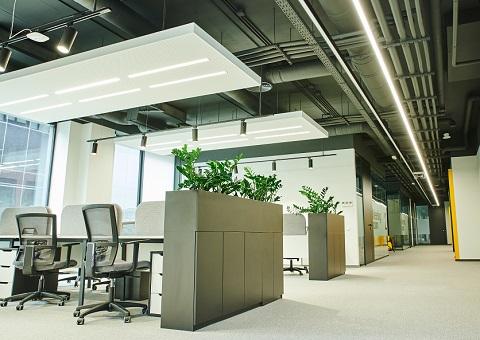
One of the most important contributions of LED technology is energy efficiency. Compared to traditional lighting systems, LEDs consume significantly less electricity while delivering equal or superior brightness. This reduction in energy use directly lowers carbon emissions associated with building operations.
Another key advantage is long lifespan. LED fixtures can last tens of thousands of hours, reducing replacement frequency and waste generation. This contributes to lower maintenance costs and reduced environmental impact over time.
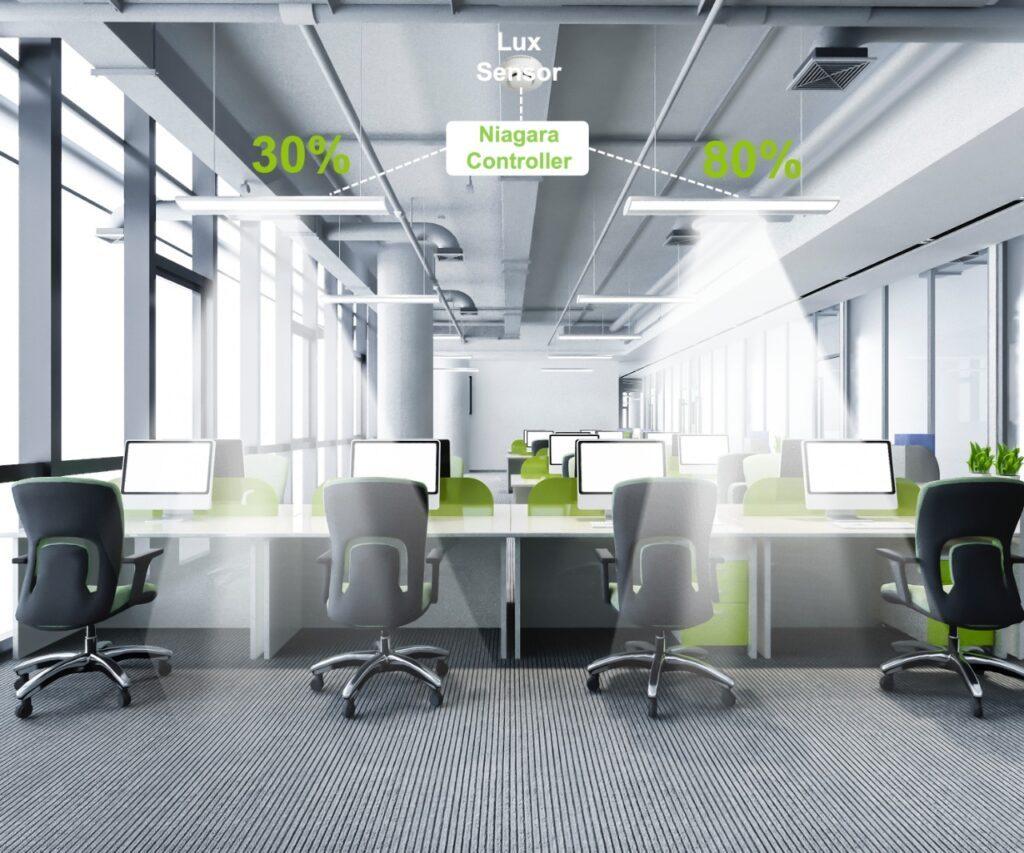
Modern green buildings also integrate smart lighting controls. Occupancy sensors and daylight harvesting systems ensure that lighting is only used when necessary. This minimizes energy waste and improves operational efficiency.
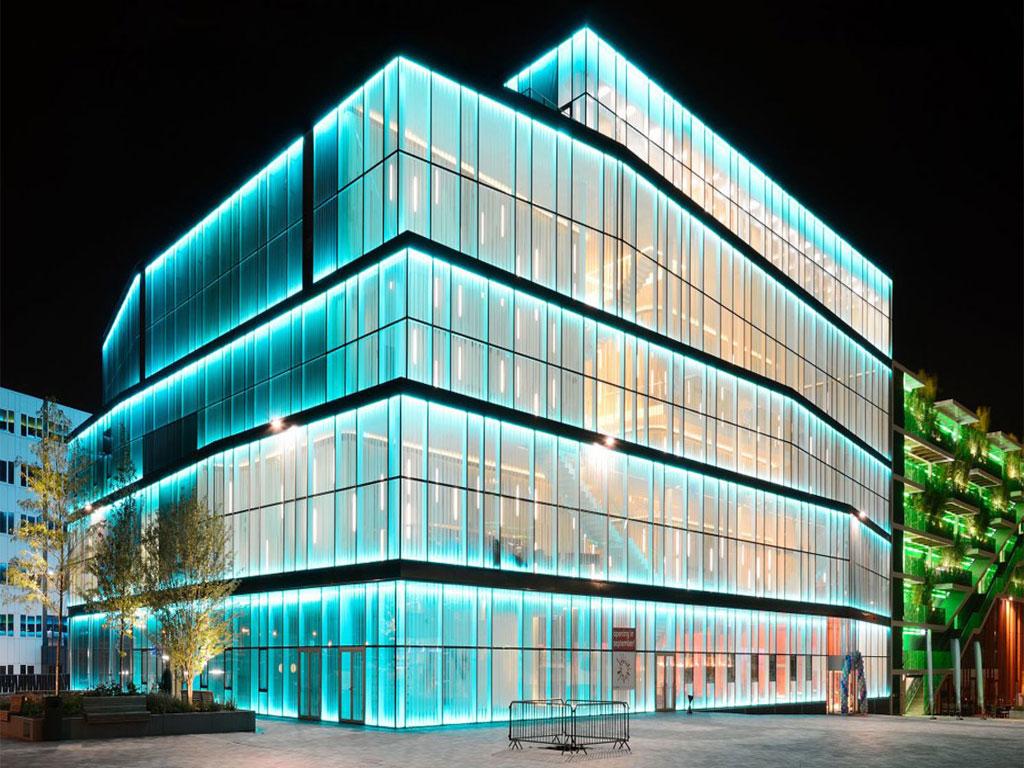
In WELL-certified buildings, lighting quality is also evaluated in terms of human health. Factors such as flicker, color temperature, and circadian rhythm alignment are considered important for occupant well-being.
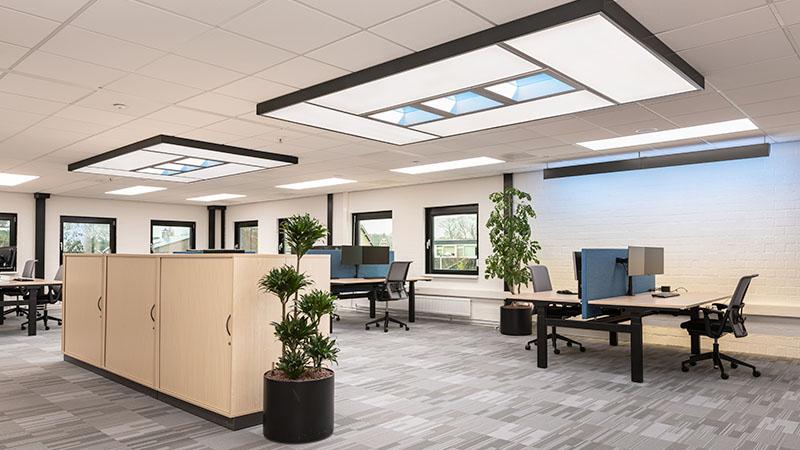
Daylight integration is another key strategy. Architectural designs now prioritize natural light, with LED systems used to supplement rather than replace daylight. This hybrid approach improves both energy efficiency and occupant comfort.
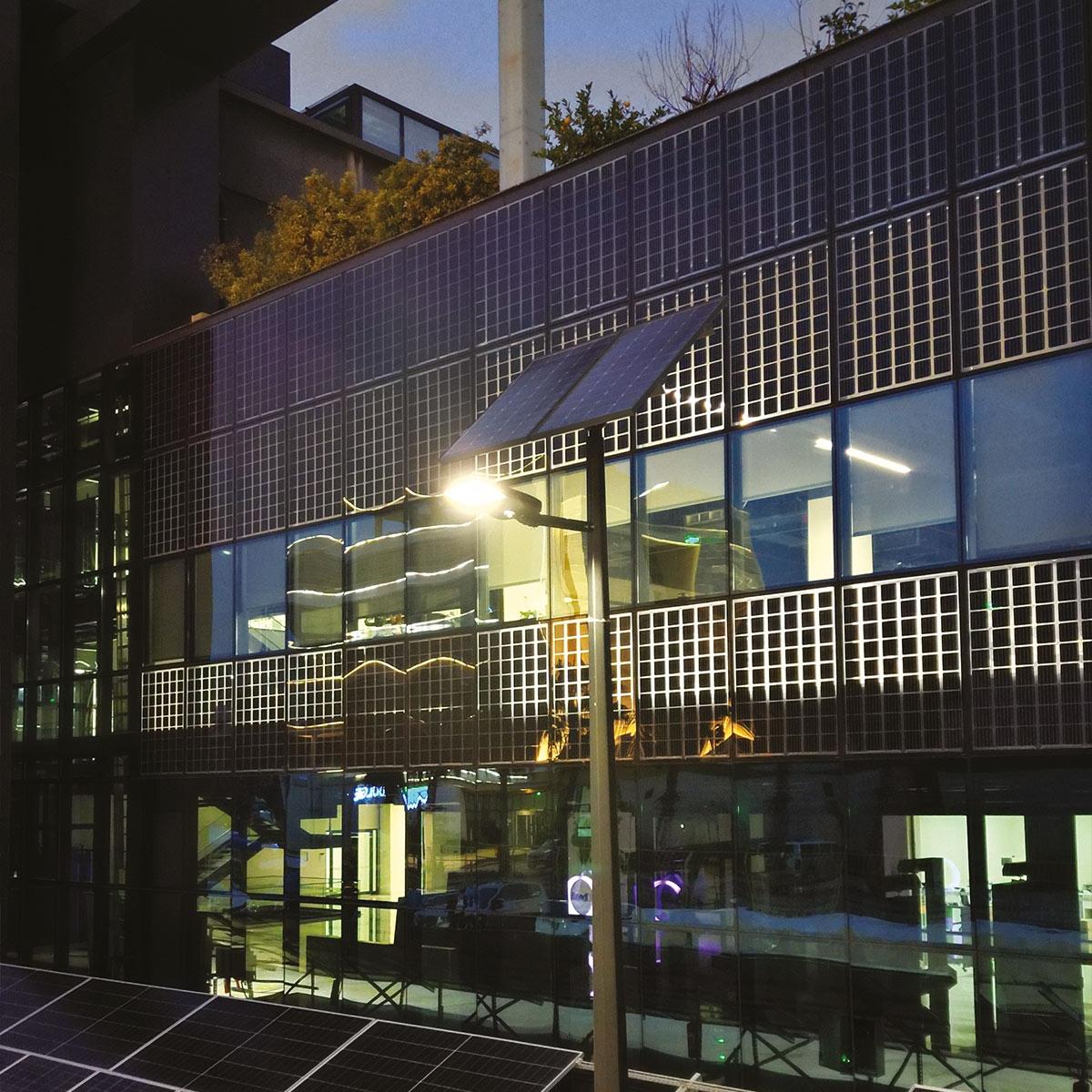
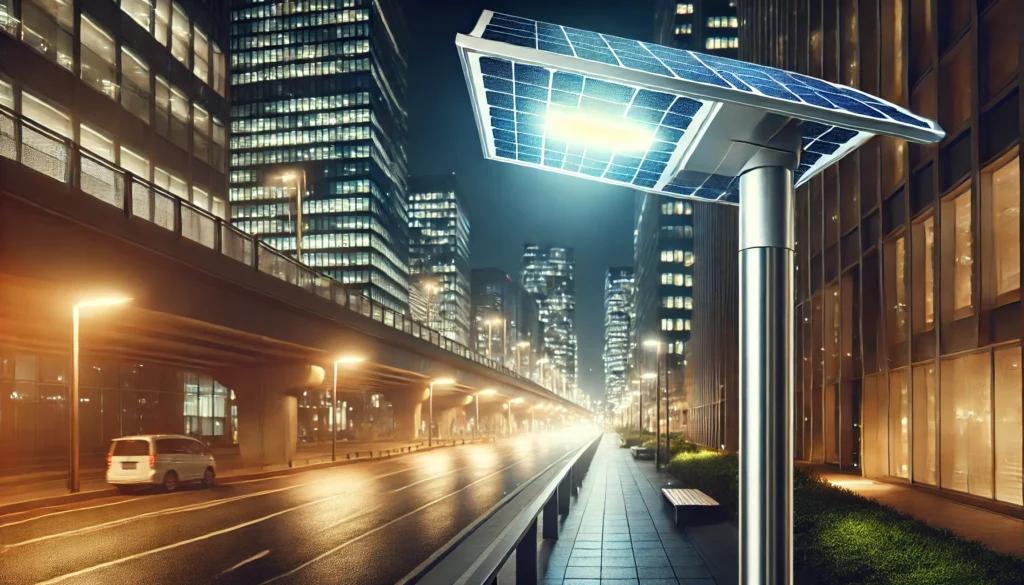
Renewable energy integration is also becoming more common. Some buildings combine solar power systems with LED lighting infrastructure to further reduce reliance on grid electricity.
From a design perspective, LED lighting supports flexible architectural concepts. Its small size and adaptability allow for innovative designs that were not possible with traditional lighting technologies.
As global regulations on carbon emissions become stricter, LED lighting will continue to play a central role in sustainable building strategies.