Technical difficulties of LED panel lights
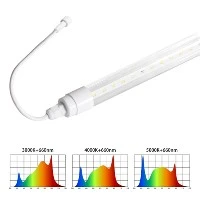
Optical performance (light distribution): The optical performance of LED panel lights mainly involves performance requirements in terms of luminosity, spectrum and chromaticity. According to the latest industry standard "Test Method for Semiconductor Light-Emitting Diodes", there are mainly luminous peak wavelength, spectral radiation bandwidth, axial luminous intensity angle, luminous flux, radiant flux, luminous efficiency, chromaticity coordinates, correlated color temperature, color purity and dominant wavelength, Parameters such as color rendering index. The color temperature, color rendering index and illuminance of white LED commonly used in LED panel lights are particularly important. It is an important indicator of lighting atmosphere and effect, but color purity and dominant wavelength are generally not required.
LED panel light
The mainstream practice in the LED industry is to encapsulate the LED chip to form a light source or light source module, and then distribute the light when it is made into a lamp. This is the original traditional light source method, because the traditional light source emits 360° light. If you want to guide the light to the application side, the current Philips traditional lamp is the best one, and the light loss can reach 40%. The optical parameters of lamps used by many of our domestic LED downstream manufacturers are actually the optical parameters of the chip or the light source, not the optical index parameters of the overall lamp.
How to better improve the light performance, the world's latest technology is to do light distribution on the chip package, export the light of the chip at a time, and maintain the maximum light output, so that the light loss rate is only 5%-10%. With the continuous improvement of technology, the light loss rate will be lower and lower, and the light efficiency of the light source will be higher and higher. Lamps equipped with such light sources do not need to do light distribution, and the relative lamp efficiency will be greatly improved, making them more widely used in functional lighting, forming a considerable market channel. Therefore, a good LED supplier is our top priority. We don’t need to spend a high price to study how our LEDs distribute light, and we don’t need to spend a lot of time and experience for engineers to use software simulation. The easiest way is Let the LED white light supplier cooperate. You know, if our engineers use software to simulate, then the necessary actions are input and output. The input is the previous data import, and the output is the simulation result, so the previous data must be accurate and the back-end simulation can be correct.
Thermal performance (structure): The luminous efficiency and power supply of LEDs for lighting are one of the keys to the LED industry. At the same time, the PN junction temperature of the LED and the heat dissipation of the shell are particularly important. The greater the difference between the PN junction temperature and the lamp body temperature, the greater the thermal resistance, and then the light energy is converted into heat energy and is consumed in vain. In severe cases, the LED is damaged. A good structural engineer must not only consider the structure of the luminaire and the thermal resistance of the LED, but also whether the appearance of the luminaire is reasonable, fashionable, novel, and of course reliability, maintainability, and practicality. To think from the perspective of the user, but also to consider the product from the perspective of the user.