The Advantages and Applications of LED Lighting
Today, the light-emitting diode (LED) stands as the most energy-efficient and fast-evolving lighting technology available. High-quality LED bulbs outperform other lighting types in multiple ways: they boast a longer lifespan, greater durability, and light quality that is either comparable to or superior to alternatives like incandescent or CFL bulbs.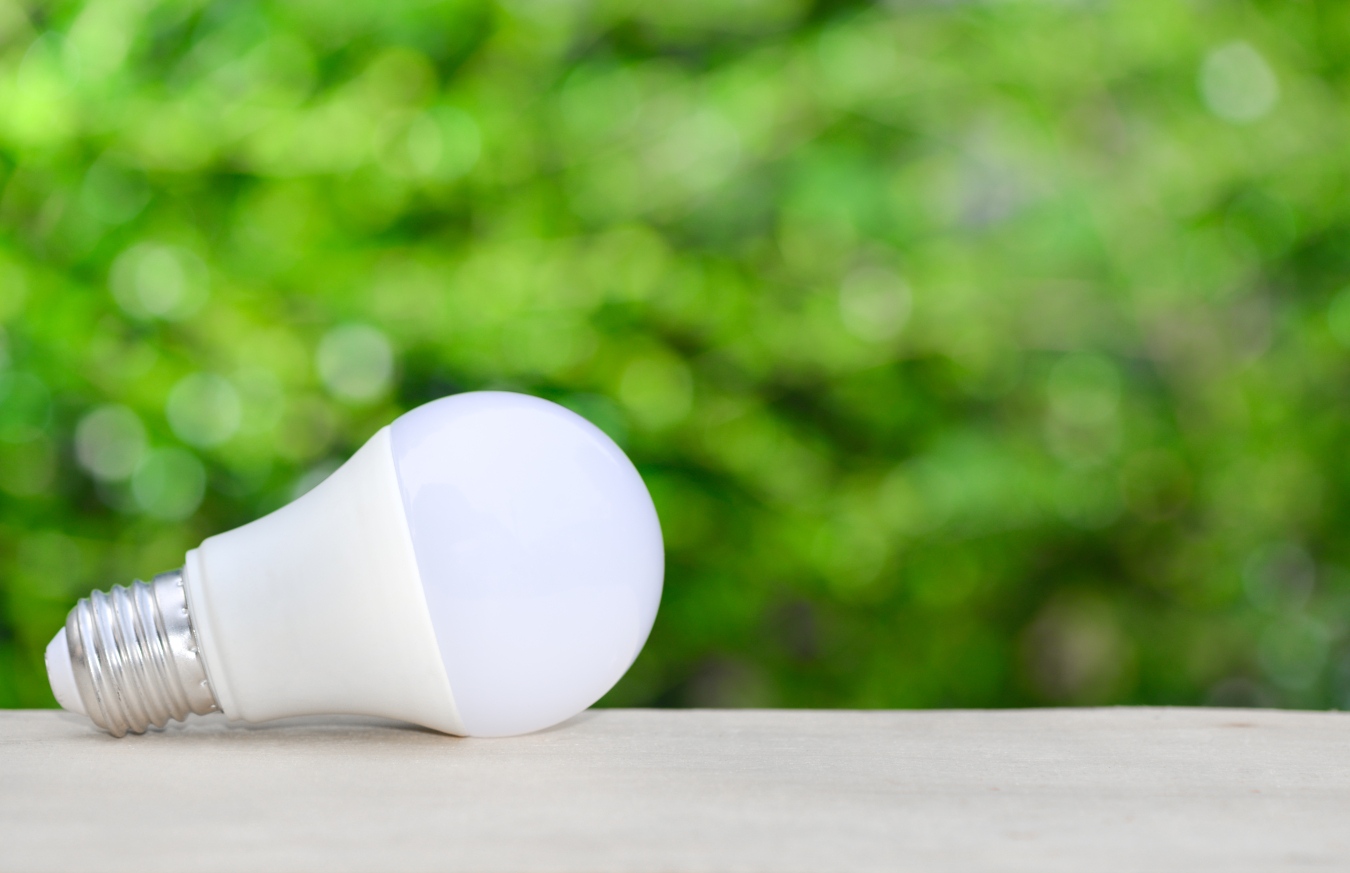
Unmatched Energy Savings
LED technology is a game-changer for energy efficiency, with the potential to reshape how the United States lights homes, businesses, and public spaces. For residential use, LEDs-particularly those with the ENERGY STAR certification-consume at least 75% less energy than traditional incandescent bulbs. What's more, they last up to 25 times longer, cutting down on both energy bills and replacement costs.
The widespread adoption of LEDs could have a transformative impact on national energy conservation. Projections suggest that by 2035, most lighting installations across the U.S. will rely on LED technology. By that year, annual energy savings from LEDs could reach 569 terawatt-hours (TWh)-an amount equivalent to the total annual energy output of over 92 power plants, each with a capacity of 1,000 megawatts (MW).
What Sets LEDs Apart from Other Lighting?
LEDs differ significantly from incandescent and compact fluorescent (CFL) bulbs in key ways, all of which contribute to their superiority:
Light Source: LEDs are tiny-about the size of a pepper fleck-and can produce light in a range of colors. To create white light, manufacturers often combine red, green, and blue LEDs.
Directionality: Unlike incandescent or CFL bulbs, which emit light in all directions, LEDs cast light in a specific direction. This eliminates the need for reflectors or diffusers (which can trap light) and makes LEDs far more efficient for uses like recessed downlights or task lighting. For other lighting types, much of the light (often over half) is lost because it must be reflected toward the desired area, never actually leaving the fixture.
Heat Emission: LEDs stay cool, releasing very little heat. In contrast, incandescent bulbs waste 90% of their energy as heat, while CFLs release around 80% of their energy as heat-making LEDs safer and more efficient.
Lifespan: LED products have an exceptionally long lifespan. A high-quality LED bulb can last 3–5 times longer than a CFL and a full 30 times longer than an incandescent bulb, reducing maintenance and replacement hassle.
Common LED Products for Home and Industry
LED lighting is available in a vast and growing range of products for both residential and industrial use. Thanks to rapid technological advancements, LEDs are now more accessible, better manufactured, and more affordable than ever. Below are some of the most widely used LED products:
Industrial and Commercial Lighting
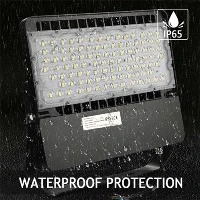
LEDs' high efficiency and directional light make them ideal for industrial and commercial settings. They are increasingly used in:
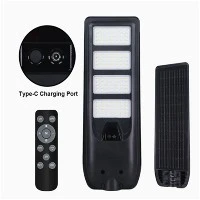
Street lights and parking garage lighting
Walkway and outdoor area lighting
Refrigerated case lighting (for grocery stores and warehouses)
Modular lighting systems
Task lighting for offices and factories
Under-Cabinet Lighting
LEDs' small size and focused light make them perfect for illuminating tight spaces, such as kitchen countertops-ideal for cooking or reading recipes. Since LED under-cabinet lights can vary in color and directionality, it's important to compare products to find the best fit for your specific space.
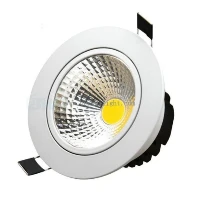
Recessed Downlights
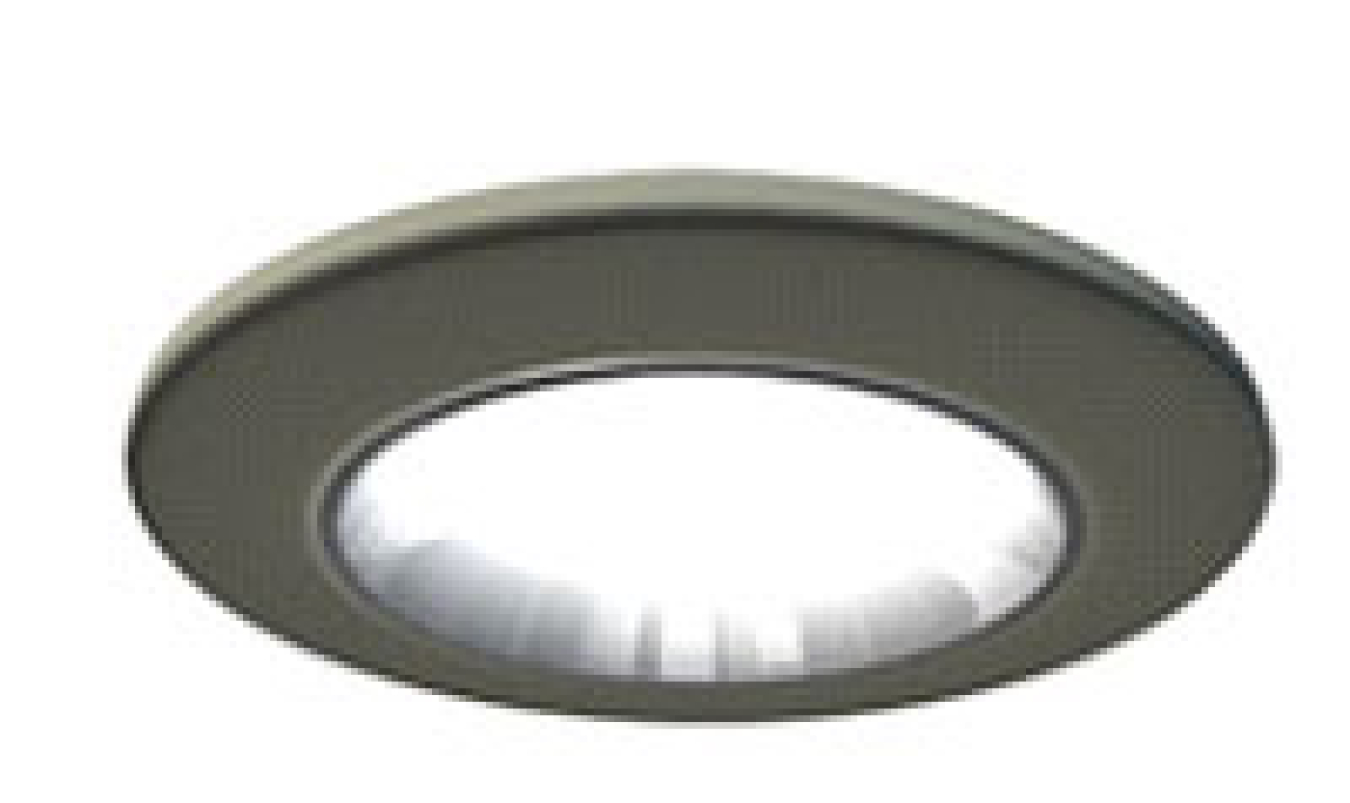
Recessed downlights are a staple in both homes and businesses. They are commonly used in residential kitchens, hallways, and bathrooms, as well as in offices and commercial buildings. According to the U.S. Department of Energy (DOE), there are over 600 million recessed downlights installed in U.S. homes and businesses-many of which are now being upgraded to LEDs for better efficiency.
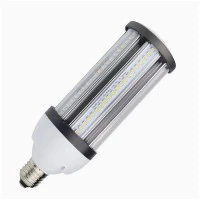
LED Replacement Bulbs
As LED performance improves and prices drop, LED lamps have become a cost-effective alternative to incandescent bulbs. They can easily replace 40W, 60W, 75W, and even 100W incandescent bulbs. To ensure you choose the right bulb, always check the Lighting Facts Label: it provides key details like brightness (in lumens) and color temperature, helping you match the bulb to its intended use (e.g., a bedroom vs. a kitchen).
LED Holiday Lights
LEDs are also a popular choice for decorative holiday lighting (such as Christmas tree lights), as they use far less electricity than incandescent holiday strings. Beyond energy savings, LED holiday lights offer additional benefits:
Safer: They stay much cooler than incandescent lights, lowering the risk of fires or burnt fingers.
Sturdier: Made with epoxy lenses (not glass), they are highly resistant to breakage.
Longer-Lasting: A single set of LED holiday lights could still be in use 40 holiday seasons from now.
Easier to Install: You can connect up to 25 LED strings end-to-end without overloading a wall socket-far more than incandescent strings.
Lighting Choices To Save You Money
Lumens and the Lighting Facts Label
Lighting and Daylighting Products and Services
Together, we make it better.
Shenzhen Benwei Lighting Technology Co.,Ltd
Mobile/Whatsapp :(+86)18673599565
Email:bwzm15@benweilighting.com
Skype: benweilight88
Web: www.benweilight.com
Add:F Building,Yuanfen Industrial Zone,Longhua,Bao'an District,Shenzhen, China