The Facts About Light Pollution
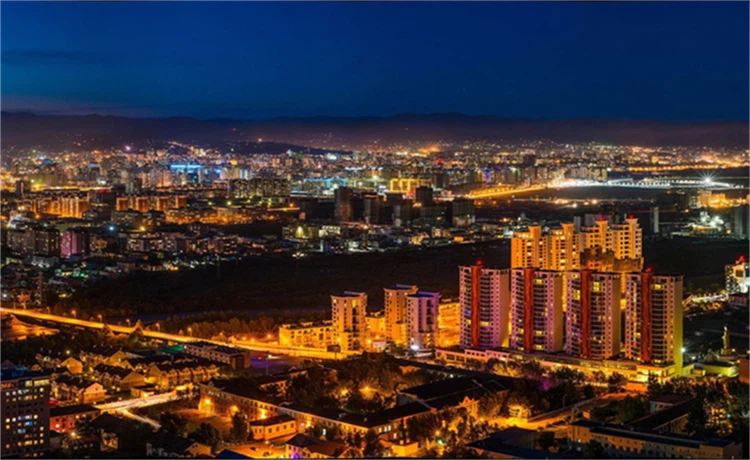
When we talk about pollution, we often think of chemicals, waste, or contaminants in the air, water, and soil. However, there's another form of pollution that often goes unnoticed: light pollution. Particularly prevalent in urban areas with extensive artificial lighting, light pollution is a growing yet underrecognized environmental issue. Although some governments and municipalities have begun to take action, broader public awareness and individual actions are essential to effectively reduce its impact.
Light pollution manifests in four main forms, each affecting the environment in distinct ways:
Urban Sky Glow: This is the familiar yellow, pink, or orange haze visible over cities at night. It results from artificial light being projected upward and scattered, creating a glow that obscures the natural night sky.
Clutter: Clutter refers to excessive groupings of bright, confusing lights commonly found in advertising clusters or overly lit areas. These can be disorienting and visually disruptive.
Glare: Glare occurs when light is too bright for the eyes to adapt to, causing visual discomfort and reducing visibility. It is especially problematic for drivers and elderly individuals.
Light Trespass: This happens when light spills over into areas where it is not needed or wanted, such as a streetlight illuminating a bedroom window.
The consequences of light pollution extend beyond not being able to see the stars. It disrupts ecosystems and poses risks to wildlife. Nocturnal animals, particularly birds that navigate by starlight, can become disoriented, leading to fatal collisions with buildings or disruptions in migration. Similarly, artificial lighting can interfere with the reproductive cycles of plants that depend on darkness to bloom and be pollinated. Some tree species may even struggle to enter winter dormancy when exposed to constant artificial light.
Human health is also affected. Our bodies operate on a circadian rhythm-a natural day-night cycle-which requires periods of darkness to function properly. Overexposure to artificial light at night can disrupt sleep patterns, suppress melatonin production, and impair cellular regulation, potentially leading to both short- and long-term health issues. It can also reduce motor and cognitive performance due to poor sleep quality.
Thankfully, everyone can contribute to reducing light pollution. Homeowners can install motion-sensor lights for outdoor use and ensure fixtures are aimed downward to minimize spillage. Cities can adopt fully shielded lighting that directs light only where needed, reducing glare and trespass. Greater public education and awareness are key to encouraging communities and businesses to make smarter, more sustainable lighting choices.
By taking collective steps to use light more responsibly, we can mitigate the effects of light pollution-preserving the beauty of the night sky, protecting ecosystems, and safeguarding human health.