The Complete Guide to Commercial LED Lighting Systems in Modern Buildings
Commercial LED lighting systems have evolved into highly engineered solutions that go far beyond simple illumination. In modern buildings-whether offices, retail spaces, warehouses, or hotels-lighting is now a core part of energy management, user experience design, and operational efficiency.
A complete commercial lighting system typically includes LED fixtures, drivers, control systems, sensors, and sometimes cloud-based management platforms. Each component plays a critical role in achieving both performance and energy optimization.
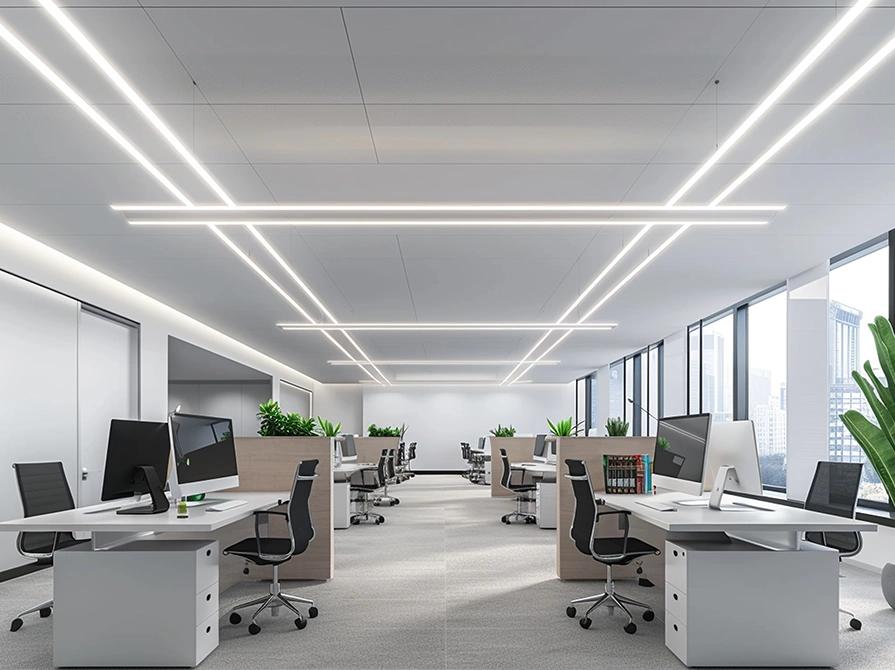
In office environments, LED panel lights and linear lighting systems dominate due to their uniform illumination and low glare characteristics. These systems are often integrated with building management systems (BMS), allowing centralized control of brightness, scheduling, and occupancy-based automation.
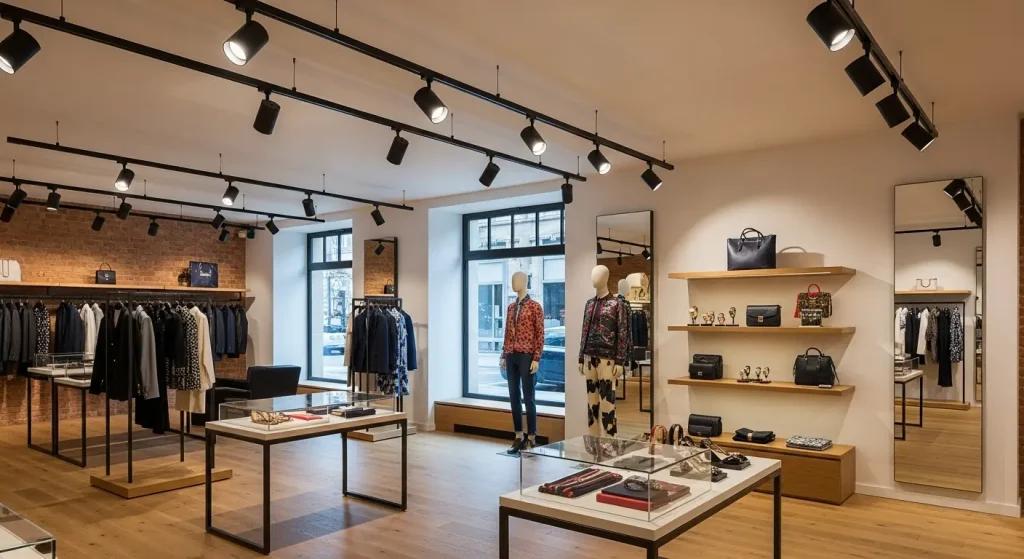
Retail lighting, on the other hand, prioritizes visual impact. Track lights and adjustable spotlights are widely used to highlight products and create visual hierarchy. Lighting design in retail spaces directly influences customer behavior, dwell time, and purchasing decisions.
Industrial and warehouse environments require high-performance LED high bay systems. These fixtures are designed to deliver high lumen output while maintaining energy efficiency and durability. In large-scale logistics centers, lighting quality directly affects worker safety and productivity.
Hotels and hospitality spaces adopt a layered lighting approach. This includes ambient lighting for general illumination, accent lighting for architectural features, and decorative lighting for aesthetic enhancement. Warm color temperatures are typically preferred to create a comfortable and welcoming atmosphere.
One of the most important trends in commercial lighting is the integration of smart controls. Motion sensors, daylight sensors, and IoT-based control systems allow lighting to adjust automatically based on real-time conditions. This not only reduces energy consumption but also improves user comfort.
Another key development is tunable white technology. This allows users to adjust color temperature throughout the day, aligning artificial lighting with natural circadian rhythms. In office environments, this has been shown to improve focus and reduce fatigue.
From an engineering perspective, commercial LED systems must also address thermal management, electrical stability, and long-term reliability. High-quality drivers and heat dissipation systems are essential for ensuring consistent performance over time.
As sustainability becomes a global priority, commercial buildings are increasingly adopting LED lighting as part of broader green building certifications such as LEED and BREEAM.
Looking ahead, commercial lighting systems will continue to evolve toward greater intelligence, automation, and integration with digital building infrastructure.