Smart Lighting Market Growth Driven by Human-Centric Design
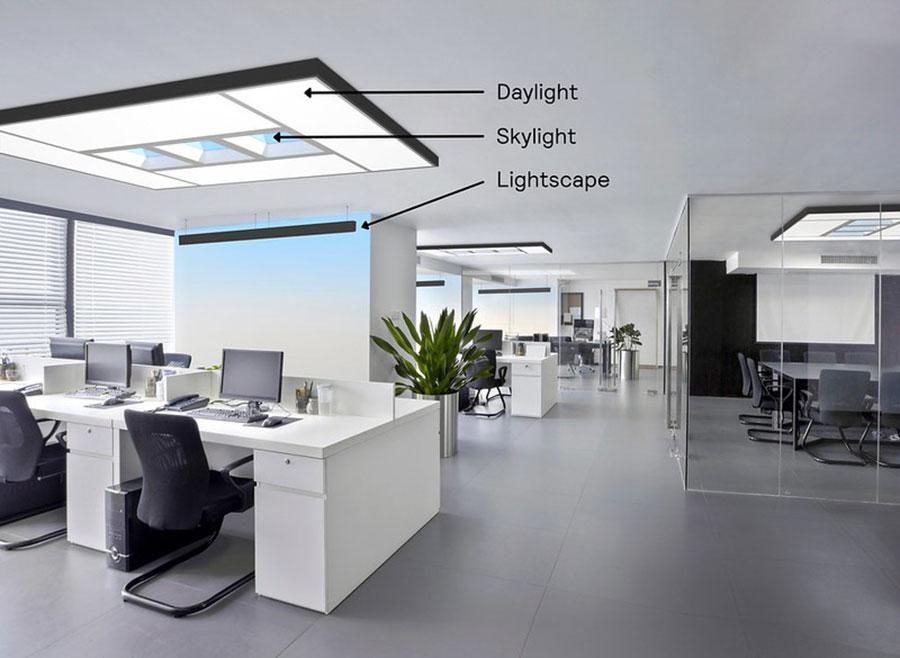
Beyond energy savings, the LED industry is now focusing on human-centric lighting design. This concept emphasizes how lighting affects health, productivity, and emotional well-being.
In office environments, adjustable color temperature lighting is becoming standard. Neutral white light is used during working hours to improve concentration, while warmer tones are applied later in the day to reduce eye strain.
Healthcare facilities are also adopting human-centric LED systems. Hospitals use lighting that supports patient recovery by simulating natural daylight cycles. This helps regulate sleep patterns and reduce stress.
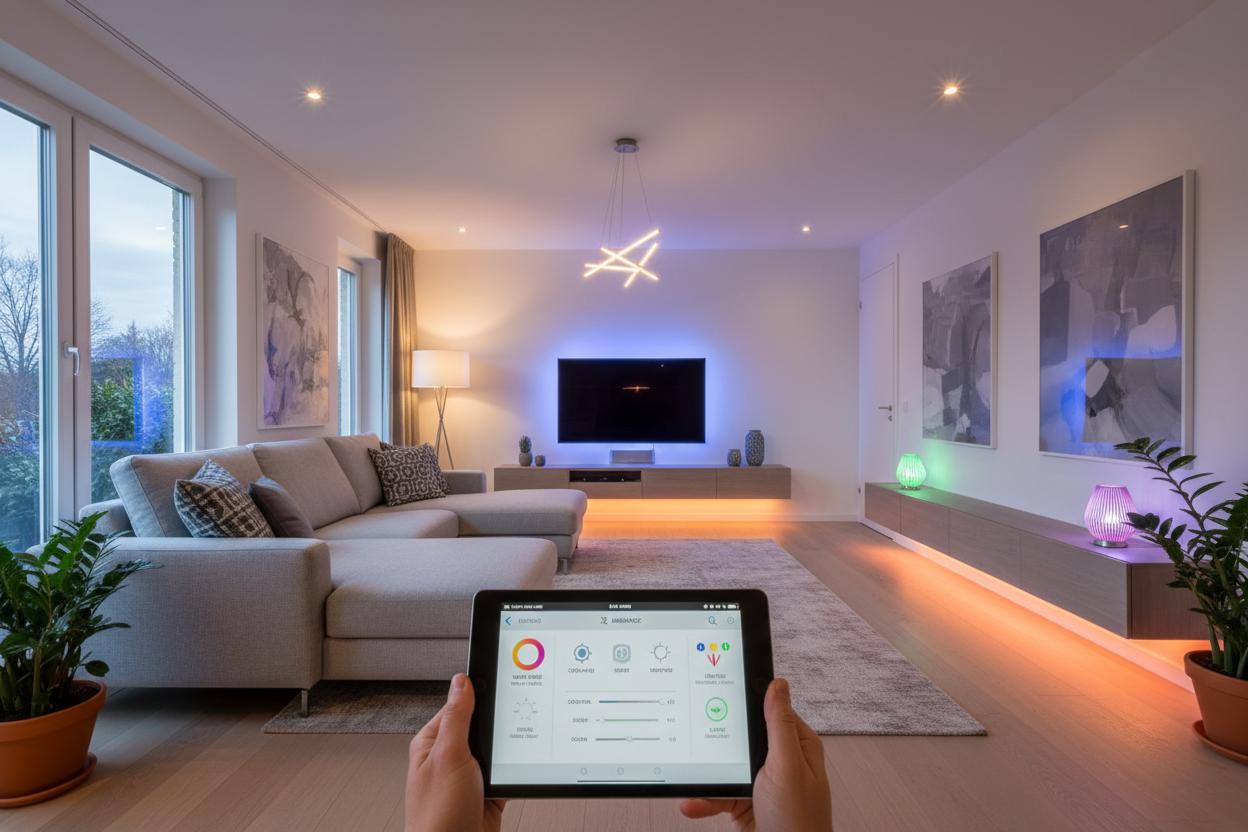
In residential applications, smart lighting systems allow users to create different moods for different activities. From reading to relaxation, lighting can now be adjusted instantly through apps or voice control.
This shift is not only technological but also psychological. Lighting is no longer viewed as a utility but as a part of interior experience design.
Industry reports show strong growth in the smart lighting segment, with increasing demand for tunable white and RGB systems across global markets.