The Silent Efficiency Killers: UVC Lamp Lifespan, Quartz Degradation & Maintenance Demands
⏳ I. UVC Lamp Lifespan: Beyond the 9,000-Hour Myth
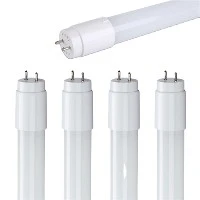
UVC lamps don't abruptly "die"-they fade. Industry-standard 9,000–12,000 hours (1–1.5 years at 24/7 operation) refers to output dropping to 80% of initial intensity. Real-world longevity depends on:
Cycling Frequency: Powering on/off >4x daily stresses electrodes, reducing lifespan by 30%.
Voltage Stability: ±5% voltage fluctuation causes 20% faster decay.
Ambient Temperature: >40°C environments accelerate phosphor degradation in fluorescent UVC lamps.
LED-based UVC units last 15,000–20,000 hours but suffer wavelength drift after 8,000 hours, reducing DNA absorption efficiency.
🔬 II. Quartz Tube Degradation: The Invisible Efficiency Thief
Quartz sleeves transmit 90%+ of 254nm UV when new. Two processes sabotage performance:
A. Scaling (Mineral Fouling)
Mechanism: Hard water minerals (Ca/MgCO₃) deposit on quartz, scattering UV rays.
Impact: 0.5mm scale reduces UV transmission by 60–70%.
High-Risk Scenarios:
Groundwater with >200 ppm hardness
Marine applications (salt crystallization)
B. Solarization (Aging)
Cause: Prolonged UV exposure creates color centers (oxygen defect sites) in quartz.
Effect: Transmission loss of 15–40% over 2 years, especially below 260nm.
Worse in Low-Purity Quartz: Iron impurities accelerate solarization.
📊 Efficiency Decay Curve:
| Condition | UV Transmission @ 254nm | Sterilization Capacity |
|---|---|---|
| New Quartz | 92% | 100% |
| Scaled (0.3mm) | 35% | ↓65% |
| Aged (2 yrs) | 58% | ↓42% |
| Scaled + Aged | 22% | ↓78% |
🧼 III. Cleaning Protocols: Non-Negotiable Maintenance
Frequency: Clean every 500–1,000 operational hours or when UV sensors detect >10% intensity drop.
Step-by-Step Cleaning:
Acid Wash (For Scaling):
Use 5% citric acid or vinegar (HCl damages quartz).
Soak 15–30 mins, then soft-bristle brush.
Never abrasive pads-scratches increase scaling adhesion.
Alcohol Wipe (For Biofilms):
70% isopropyl alcohol removes organic slime without residue.
Solarization Mitigation:
Anneal quartz annually at 850°C (restores 80% transmission).
Or replace sleeves every 3–5 years.
⚠️ IV. Consequences of Neglect
Pathogen Breakthrough: Cryptosporidium survives at UV doses <80% optimal.
Energy Waste: 40% intensity drop requires 2.5x longer exposure for same kill rate.
Hidden Costs: 1mm scale increases power consumption by 25%.
✅ V. Proactive Maintenance Strategy
| Action | Frequency | Tool | Efficiency Gain |
|---|---|---|---|
| UV Intensity Test | Monthly | Radiometer | Detects early decay |
| Quartz Inspection | Quarterly | Visual/UV sensor | Identifies scaling |
| Chemical Clean | 6–12 months | Citric acid | Restores 95% transmission |
| O-Ring Replacement | Annually | Silicone seals | Prevents leaks |
💎 Conclusion: The 80/20 Rule of UVC Efficiency
80% of sterilization failures trace to unmaintained lamps or quartz sleeves-not device design. To sustain >99% disinfection:
Replace lamps at 9,000 hours (fluorescent) or 15,000 hours (LED).
Clean quartz sleeves biannually and replace every 3 years.
Install UV sensors for real-time dose monitoring.