Transforming Your Garage with Layered Lighting Design

Many garages suffer from inadequate lighting-often just a single bulb or a couple of fluorescent tubes. This leaves the space feeling dark and uninviting, even though it serves multiple roles: parking area, workshop, storage unit, laundry room, or even a occasional gym. Layered lighting offers a practical solution to transform this essential space into a well-lit, highly functional, and comfortable environment.
Layered lighting involves combining different types of lighting-Ambient, Task, and Accent-to eliminate shadows, improve visibility, and enhance the overall atmosphere. It's a strategic approach that brings both safety and style to your garage without requiring a complete overhaul.
The Three Layers of Garage Lighting
| Lighting Layer | Purpose | Recommended Fixtures | Ideal Placement |
|---|---|---|---|
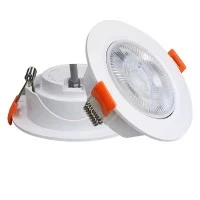
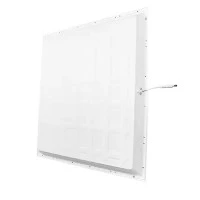
| Ambient (General) | Provides overall illumination for the entire space. | LED Battens, LED Panel Lights, Linear Strip Lights | Mounted on the ceiling for even distribution. |
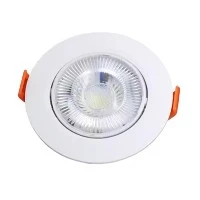
| Task (Focused) | Delivers bright, shadow-free light for specific activities. | Under-Cabinet LED Strips, Adjustable Spotlights, Portable Work Lights | Above workbenches, inside cabinets, near tool storage, or over the car hood. |
| Accent (Decorative) | Highlights features and adds visual interest or mood lighting. | LED Tape Lights, Small Spotlights, Color-Changing LEDs | Behind shelves, above display items, or directed at a vehicle or wall art. |

Why Use Layered Lighting in Your Garage?
Improved Safety & Functionality: Proper lighting reduces accidents caused by poor visibility. Ambient light eliminates dark corners, while task lighting ensures precision for detailed work.
Enhanced Flexibility: You can illuminate only the areas you need. For quick tasks, use ambient light alone; for projects, add task lights. This adaptability makes the space more efficient.
Energy Efficiency: By using targeted lighting instead of flooding the entire garage with high-wattage bulbs, you consume less electricity.
Better Aesthetics: A well-lit garage feels organized and inviting. Accent lighting can personalize the space, making it a place you enjoy spending time in.
Common Lighting Mistakes to Avoid
Relying on a Single Overhead Light: This creates harsh shadows and leaves many areas poorly lit.
Ignoring Color Temperature: Overly warm (yellowish) light can feel dim, while very cool (blueish) light seems sterile. Neutral White (4000K-5000K) is ideal for garages, offering clear, bright illumination.
Poor Fixture Placement: Lights placed behind you cast shadows on your work area. Always position task lights in front of or above the work surface.
Skipping Accent Lighting: While not essential, accent lights significantly boost the garage's appeal and comfort.
How to Plan Your Layered Lighting
Assess Your Space: Measure your garage's dimensions to calculate the required brightness (lumens). A general guideline is 300-500 lumens per square meter for ambient light.
Identify Zones: Define different activity areas: car parking, workbench, storage shelves, and entryway. This will guide your task lighting placement.
Select and Position Fixtures: Choose fixtures from the table above based on each zone's needs. Ensure wiring and power sources are accessible; battery-powered or rechargeable lamps offer great flexibility.

Conclusion
Upgrading your garage lighting with a layered approach is a highly effective way to enhance its safety, utility, and appearance. By moving beyond a single light source and strategically combining ambient, task, and accent layers, you can convert an underutilized area into a bright, versatile extension of your home. A well-lit garage is no longer just a storage cave-it becomes a functional and enjoyable space.