Understanding Light Uniformity: Creating Perfect Illumination
By Kevin Rao November 20,2025
Introduction
Light uniformity represents a fundamental aspect of lighting design that significantly impacts both the functionality and aesthetics of any space. Properly uniform lighting eliminates distracting bright spots and dark shadows, creating environments that are both visually comfortable and practically efficient. This comprehensive guide explores the principles of achieving optimal light distribution, offering practical solutions for residential, commercial, and architectural applications.
Defining Light Uniformity
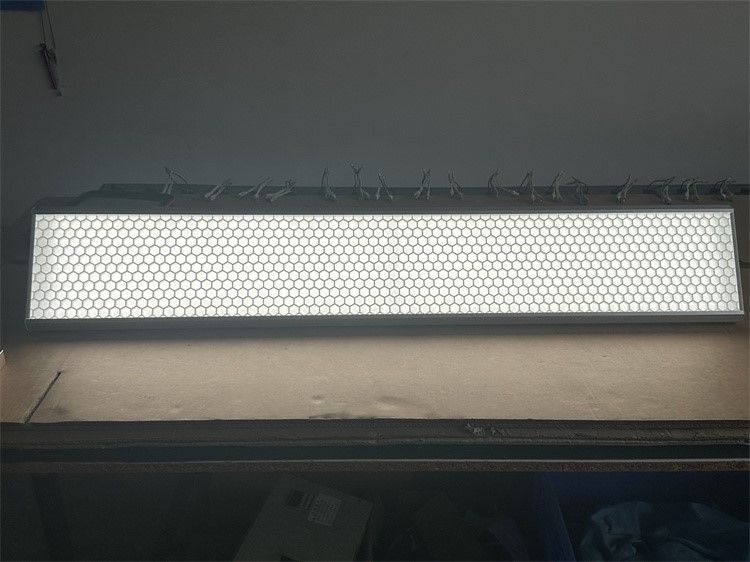
Light uniformity refers to the consistency of illumination across a specified area. In practical terms, it means eliminating both hot spots (areas of excessive brightness) and dark zones (areas of insufficient illumination) to create a visually balanced environment. The technical measurement of uniformity is typically expressed as the ratio between minimum and average illumination levels (U0), or minimum and maximum levels (U1), with higher ratios indicating better uniformity.
The importance of uniform lighting extends beyond mere visual appeal. Inconsistent lighting can cause:
Visual discomfort and eye strain
Reduced productivity in work environments
Safety hazards in task-oriented spaces
Diminished aesthetic appeal of architectural features
Essential Components of Light Quality
Achieving excellent lighting involves multiple interconnected factors:
Color Temperature Considerations
Measured in Kelvin (K), color temperature determines the visual warmth or coolness of light:
Warm white (2700K-3000K): Creates cozy, intimate atmospheres ideal for residential spaces
Neutral white (3500K-4500K): Provides balanced illumination for offices and retail
Cool white (5000K+): Mimics daylight, enhancing alertness in task-oriented environments
Color Rendering Excellence
The Color Rendering Index (CRI) measures how accurately lights reveal colors compared to natural light:
CRI 80+: Suitable for most general applications
CRI 90+: Essential for color-critical environments (art studios, retail displays, medical facilities)
High CRI ensures vibrant, true-to-life color representation
Glare Control
Excessive brightness contrast causes visual discomfort. Effective glare control involves:
Proper shielding of light sources
Appropriate luminance ratios between tasks and surroundings
Strategic placement of fixtures to avoid direct eye contact with bright elements
Strategies for Achieving Optimal Light Balance
Layered Lighting Approach
Implement multiple light sources to create depth and dimension:
Ambient lighting: Provides general illumination
Task lighting: Focuses on specific work areas
Accent lighting: Highlights architectural features or artwork
This layered approach ensures comprehensive coverage while allowing flexibility for different activities and moods.
Strategic Fixture Placement
Distribute fixtures evenly throughout the space
Consider ceiling height and reflection properties
Account for furniture layout and room geometry
Utilize computer-assisted lighting calculations for precision
Optical Control Solutions
Diffusers: Spread light evenly, reducing intensity variations
Reflectors: Redirect light to darker areas
Lenses: Control beam distribution patterns
Baffles: Shield direct view of light sources to minimize glare
Appropriate Source Selection
Choose LEDs with consistent color characteristics
Select appropriate beam angles for specific applications
Consider luminaire efficiency and distribution patterns
Evaluate long-term performance and maintenance requirements
Dimming Capabilities
Implement smooth, flicker-free dimming systems
Provide user-friendly control interfaces
Incorporate scene presets for different activities
Ensure compatibility between dimmers and light sources
Advanced Control Systems
Occupancy sensors for automatic activation
Daylight harvesting to maintain consistent light levels
Time-based scheduling for energy management
Integrated building management system compatibility
Addressing Common Implementation Challenges
Archural Adaptation
Use wall-washing techniques to enhance perceived spaciousness
Implement covelighting to illuminate irregular ceiling structures
Employ track systems for flexible aiming capabilities
Utilize suspended fixtures in spaces with high ceilings
Budget Management
Prioritize key areas requiring highest uniformity
Phase implementation according to importance and budget
Consider life-cycle costs rather than just initial investment
Explore energy-efficient solutions with rapid ROI
Aesthetic Integration
Select fixtures that complement architectural style
Conceal technical elements while maintaining accessibility
Balance visual appeal with performance requirements
Customize solutions for unique design challenges
Technical Implementation Guidelines
Calculation Methods
Utilize lighting design software for accurate predictions
Perform point-by-point calculations for critical areas
Verify designs through mock-ups or simulations
Consider surface reflectances and colors in calculations
Installation Best Practices
Follow manufacturer spacing recommendations
Ensure proper electrical installation and grounding
Verify aiming and adjustment during installation
Conduct post-installation measurements and adjustments
Maintenance Considerations
Establish regular cleaning schedules for fixtures
Plan for periodic recalibration of control systems
Monitor for consistent performance over time
Maintain adequate spare parts inventory
Application-Specific Recommendations
Office Environments
Target uniformity ratio (U0) of 0.6 or higher
Implement indirect lighting to reduce glare
Provide individual task lighting control
Ensure vertical surface illumination for visual comfort
Retail Spaces
Highlight merchandise with accent lighting
Maintain consistent ambient illumination levels
Use high-CRI sources for accurate color presentation
Create visual hierarchy through lighting contrast
Residential Applications
Layer multiple light sources in living areas
Provide flexible control options for different activities
Ensure safe illumination in circulation paths
Create visual interest through varied lighting effects
Industrial Settings
Ensure adequate task visibility for safety
Provide uniform illumination in work areas
Consider maintenance access in fixture placement
Address potential glare from reflective surfaces
Conclusion
Achieving optimal light uniformity requires careful planning, appropriate product selection, and precise implementation. By understanding the principles outlined in this guide and applying them systematically, designers can create spaces that are both visually appealing and highly functional. Benwei Lighting offers comprehensive solutions and expert support to help you achieve perfect illumination in any application, ensuring your spaces are enhanced with comfortable, efficient, and beautiful lighting.
Tel/Whatsapp:+8619972563753
Email:bwzm12@benweilighting.com
Web:https://www.benweilight.com/