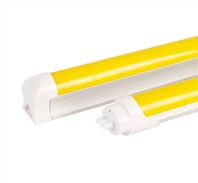
LED linear lighting is a type of lighting that uses light emitting diodes (LEDs) arranged linearly to create a uniform light source. This type of lighting is often used in commercial and residential applications because of its energy efficiency, flexibility, and longevity.
Compared to traditional fluorescent lighting, LED linear lighting is much more energy efficient. LEDs consume less power and produce less heat, which means they save on energy costs and reduce the need for cooling systems. LED lighting also reduces greenhouse gas emissions, which is an important benefit in today's environmentally conscious world.
LED linear lighting is also very flexible in terms of its shape and the lighting effects that can be achieved. The linear arrangement of the LEDs allows for creative configurations, making it possible to light up a wide range of spaces and surfaces in unique ways. For example, it can be used to create dynamic lighting effects in retail stores, art galleries, or even in private homes.
Another key advantage of LED linear lighting is its longevity. LEDs have a much longer lifespan than traditional lighting options, which means they last longer and require less maintenance. This is particularly useful for commercial applications, where lighting is often in use for extended periods. The longer lifespan also means that there is less waste generated from lighting replacements, which again makes it an eco-friendly option.
Overall, LED linear lighting is an increasingly popular lighting option for both commercial and residential applications. It is energy efficient, flexible, creates unique lighting effects, and is long-lasting. As LED technology continues to advance, we can expect even further innovation in this area, making LED linear lighting an even more attractive option for lighting designers and consumers alike.