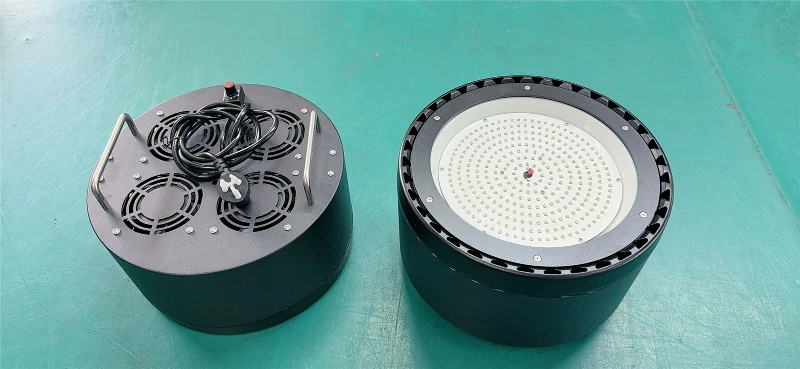
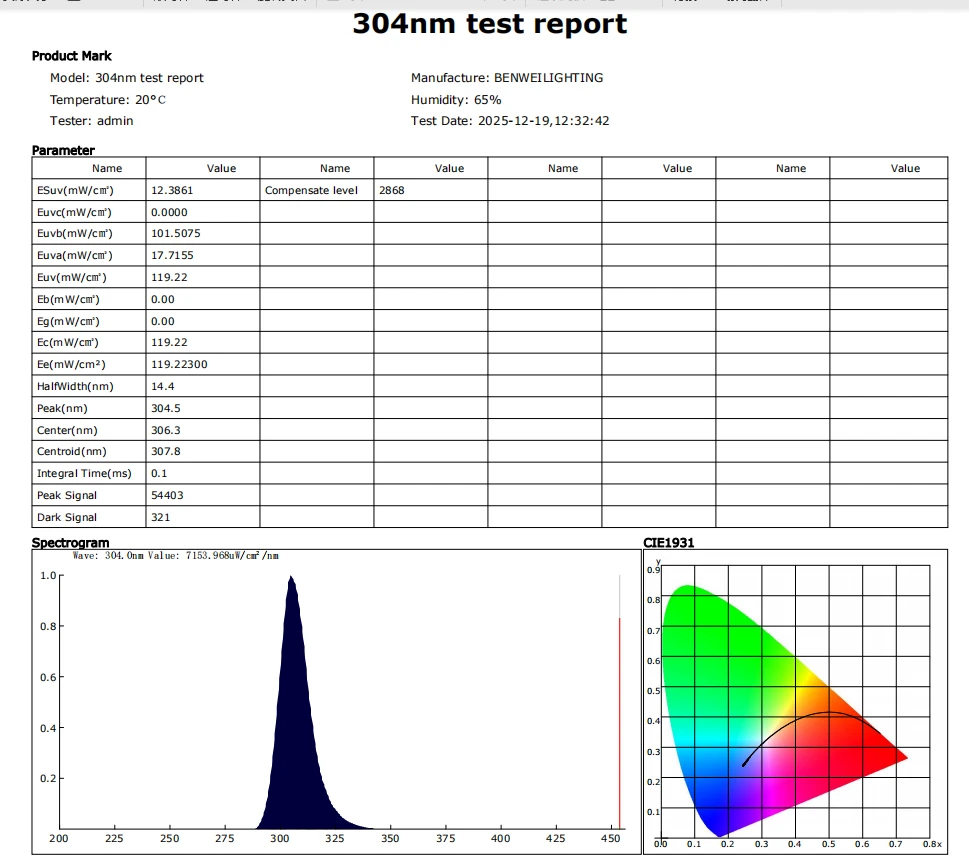
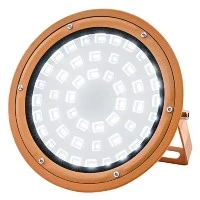
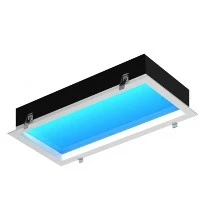
UVB light, spanning 280–315 nm, is far more than just a component of sunlight; its specific biological and photochemical reactivity makes it a versatile tool across medicine, agriculture, industry, and research.
1, Medical & Dermatological Therapy
This is the most established and clinically significant application of UVB. Narrowband UVB (NB-UVB, ~311–313 nm) is the standard of care for many skin conditions due to its efficacy and favorable safety profile.
Psoriasis: NB-UVB is a first-line phototherapy that helps slow the rapid growth of skin cells. Broadband UVB (BBUVB) has also been used for decades for moderate-to-severe cases.
Vitiligo: UVB stimulates melanocytes (pigment cells) to help restore skin color in depigmented areas.
Atopic Dermatitis (Eczema): It is an effective treatment for chronic inflammatory skin conditions, helping to reduce itching and inflammation.
Other Skin Disorders: NB-UVB is also used for early-stage mycosis fungoides (a type of cutaneous T-cell lymphoma), pruritic (itchy) disorders, prurigo nodularis, localized scleroderma, and chronic urticaria.
Targeted Phototherapy: Excimer light (308 nm), a subtype of NB-UVB, allows for high-dose, targeted treatment of localized lesions (e.g., plaques on the scalp or elbows) while sparing healthy skin.
Emerging Research: Studies are exploring 284 nm UVB for stabilizing atherosclerotic plaques by modulating immune responses, though this remains experimental.
2,Vitamin D Synthesis & Related Health Applications
UVB is the key to endogenous vitamin D production by converting 7-dehydrocholesterol in the skin into vitamin D₃.
Treating Deficiency: Clinical trials have demonstrated that UVB light devices (like the SOLIUS system) can effectively and safely raise serum 25-hydroxyvitamin D levels in people with deficiency, especially those with limited sun exposure.
Wearable & Consumer Devices: Prototype wearable LED UVB devices are being developed to help individuals maintain healthy vitamin D status.
3, Agriculture & Animal Husbandry
UVB's ability to stimulate vitamin D pathways has significant implications for animal health and production.
Poultry : In indoor farming, UVB supplementation can improve skeletal health in chickens and may enhance eggshell quality, particularly when dietary vitamin D is marginal.
Livestock : For dairy cows, narrow-band UVB exposure during milking has been shown to increase vitamin D concentrations in the blood, improving animal health and potentially enriching the nutritional value of milk and eggs for human consumption.
Plant Physiology & Quality: UVB acts as an environmental signal. It can stimulate plants to produce protective compounds like anthocyanins (antioxidants), improve stress resistance, and influence traits like fruit quality and sweetness (e.g., in grapes). Research is actively testing UVB LEDs for use in indoor farming and greenhouse systems to optimize these effects.
4, Industrial, Sensing & Research Applications
UVB's high energy is harnessed for specialized technical processes.
UV Curing: While UVA is more common, UVB (280–315 nm) is used to trigger curing in specialized coatings, adhesives, and 3D printing resins that are formulated with specific photoinitiators sensitive to this wavelength.
Sensing & Monitoring: UVB wavelengths are used in industrial sensors to monitor UV output in curing systems, ensuring process quality and consistency. Its absorption characteristics also make it useful for fluorescence detection and analytical sensing of specific substances.
Laboratory Research: UVB is a standard tool for studying UV-induced damage in cells, microorganisms, and DNA, serving as a model for environmental stress and mutagenesis research.
5,Industrial and scientific
Material and weathering tests: UVB lamps (such as UVB-313) are used in accelerated aging tests to see how plastics, paints, coatings, and textiles degrade in sunlight.
Research: Studies of DNA damage, skin biology, and photochemistry use UVB sources.
Analytical and forensic work: Some fluorescence and detection techniques use UVB.
The applications of UVB light are defined by its biological regulatory power (medicine, vitamin D, agriculture) and its photochemical energy (curing, sensing). Its use is always a balance between therapeutic or productive benefit and the need for strict dose control to mitigate risks like skin erythema and long-term carcinogenic potential. you can see more UVB LED information on https://www.benweilight.com/professional-lighting/uv-lighting/320nm-365nm-300nm-uvb-led-light-100w-200w.html