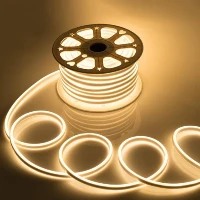
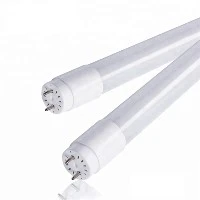
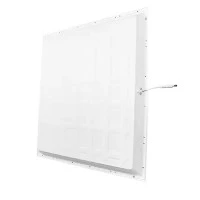
Why are modern dairy farms switching to LED cattle shed lights?
I. Phenomenon: From "lighting the barn" to "regulating the biological clock"
In the past, cattle shed lighting only solved the problem of "being able to see". Today, modern dairy farms are replacing traditional fluorescent and metal halide lamps with dedicated LED cattle shed lights – not just for energy savings, but because LEDs can precisely control spectrum, intensity, and photoperiod, fundamentally affecting the cows' physiological rhythms, feeding behavior, and hormone secretion.
A cow's visual system is very different from a human's. A cow's eye contains only two types of cone cells and is four times more sensitive to long‑wavelength red light (620–750 nm) than to blue light, while being relatively insensitive to red. Ordinary LED lamps with a high proportion of blue light can disrupt their biological rhythms. According to the standard T/SZFAA 06‑2021 "Technical specification for cattle shed lighting", the spectral sensitivity range of cattle vision is 370–650 nm, with relative peak sensitivity at 444–455 nm and 552–555 nm. This means – ordinary lights do not "illuminate" the true physiological needs of dairy cows.
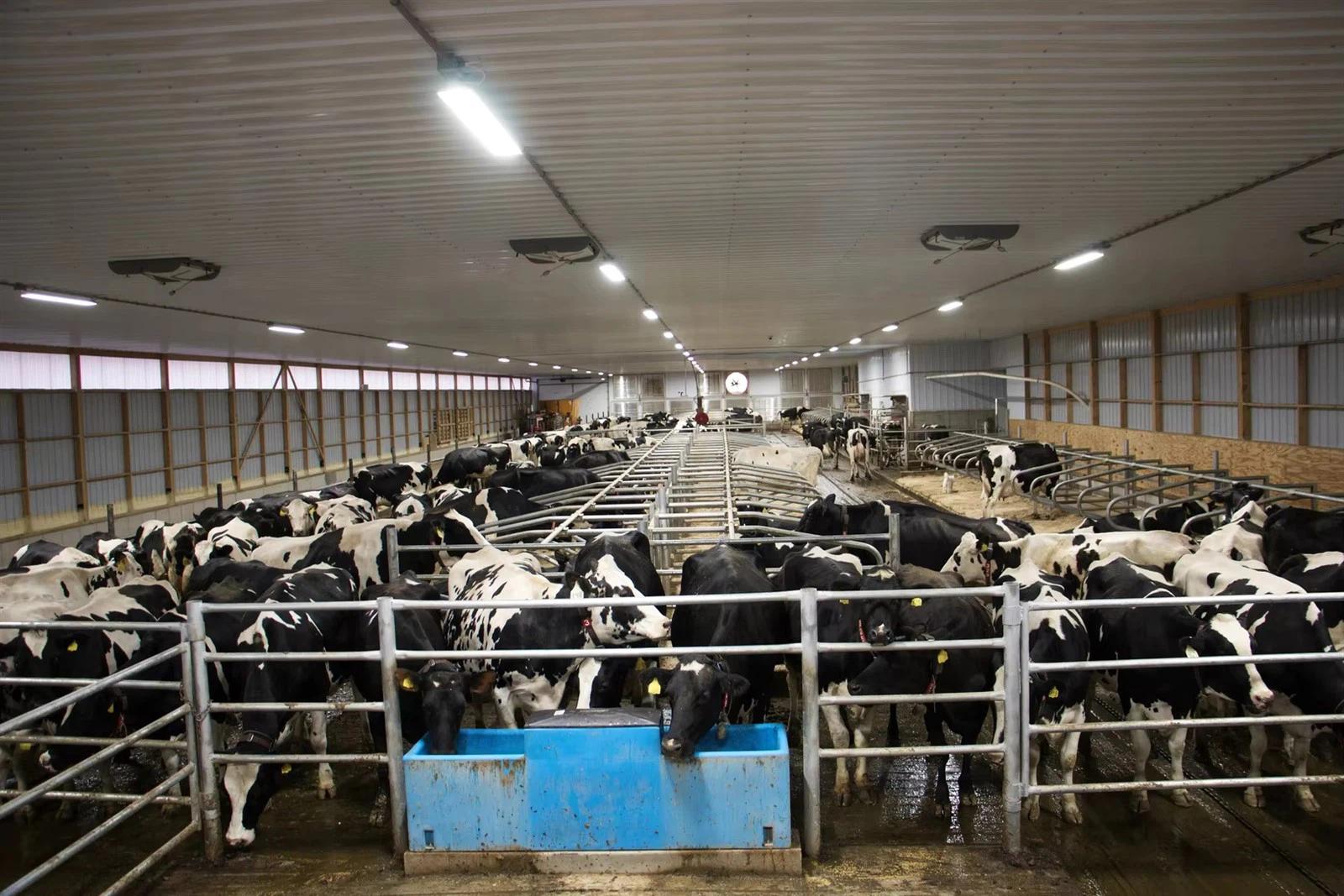
2. Core mechanism: How does light affect milk yield?
Photoperiod affects the cow's endocrine system by modulating melatonin secretion from the pineal gland. Long‑day treatment (16–18 hours of light) suppresses melatonin secretion, thereby increasing two key hormone levels:
- Insulin‑like growth factor‑1 (IGF‑1) – increases by 15%–30%, improving feed conversion efficiency
- Prolactin – increases by 25%–40%, directly stimulating milk synthesis in the mammary gland
These two changes are directly reflected in daily milk tank output.
It is important to note that dry cows and lactating cows require exactly opposite lighting strategies – 8 hours of short‑day lighting stimulates feed intake in dry cows, increasing it by 12%, and helps "pre‑activate" prolactin receptors for the next lactation cycle, setting the stage for subsequent milk production.
3. Key data: Real benefits of scientific lighting
3.1 Milk yield increase – evidence from field trials
Multiple studies confirm that scientific photoperiod management with LED lighting can significantly increase milk yield:
| Source | Trial size / conditions | Milk yield increase | Remarks |
|---|---|---|---|
| Chinese Journal of Animal Science (2025) | 140 Holstein cows, 60‑day trial | +3.9 kg/day/cow (+11%) | New lighting group vs. conventional group |
| Herefordshire farm, UK | 800 cows, autumn/winter | +1–2 L/day/cow | 16–18h LED lighting, clear off‑season gain |
| MDPI review (2025) | Meta‑analysis of multiple studies | +1–3 L/day/cow | 16L:8D to 18L:6D photoperiods |
| Agrilight Netherlands | Multiple European farms | +8–9% | Verified at 150–200 lux intensity |
Conclusion: For a 1,000‑cow lactating herd, a gain of just 2 liters per cow per day adds up to more than 730,000 liters per year – equivalent to hundreds of thousands of RMB in additional annual revenue at current milk prices.
3.2 Energy consumption and lifespan comparison – the economics of LED
The core economic advantage of dedicated LED cattle shed lights comes from their high electro‑optical efficiency and high ingress protection:
| Light source type | Efficacy | Typical lifespan | Energy comparison | IP rating |
|---|---|---|---|---|
| Incandescent | ~15 lm/W | 1,000 hours | Baseline | IP20 |
| Metal halide | ~70 lm/W | 8,000–15,000 h | High consumption | IP44 |
| Fluorescent | ~60 lm/W | 6,000–8,000 h | Requires annual replacement | IP44 |
| LED cattle shed light | 120–150 lm/W | >50,000 h (~8‑10 years) | 50%–60% energy saving | IP65–IP69K |
ROI calculation: Although a dedicated LED cattle shed light costs about twice as much as a fluorescent lamp, the electricity savings will recover the difference in 18–24 months. For example, replacing 100 units of 150W metal halide lamps with 60W LEDs, running 16 hours/day, saves approximately RMB 20,000–30,000 per year in electricity. With a lifespan >50,000 hours (8‑10 years without replacement), maintenance costs are reduced by more than 90%.
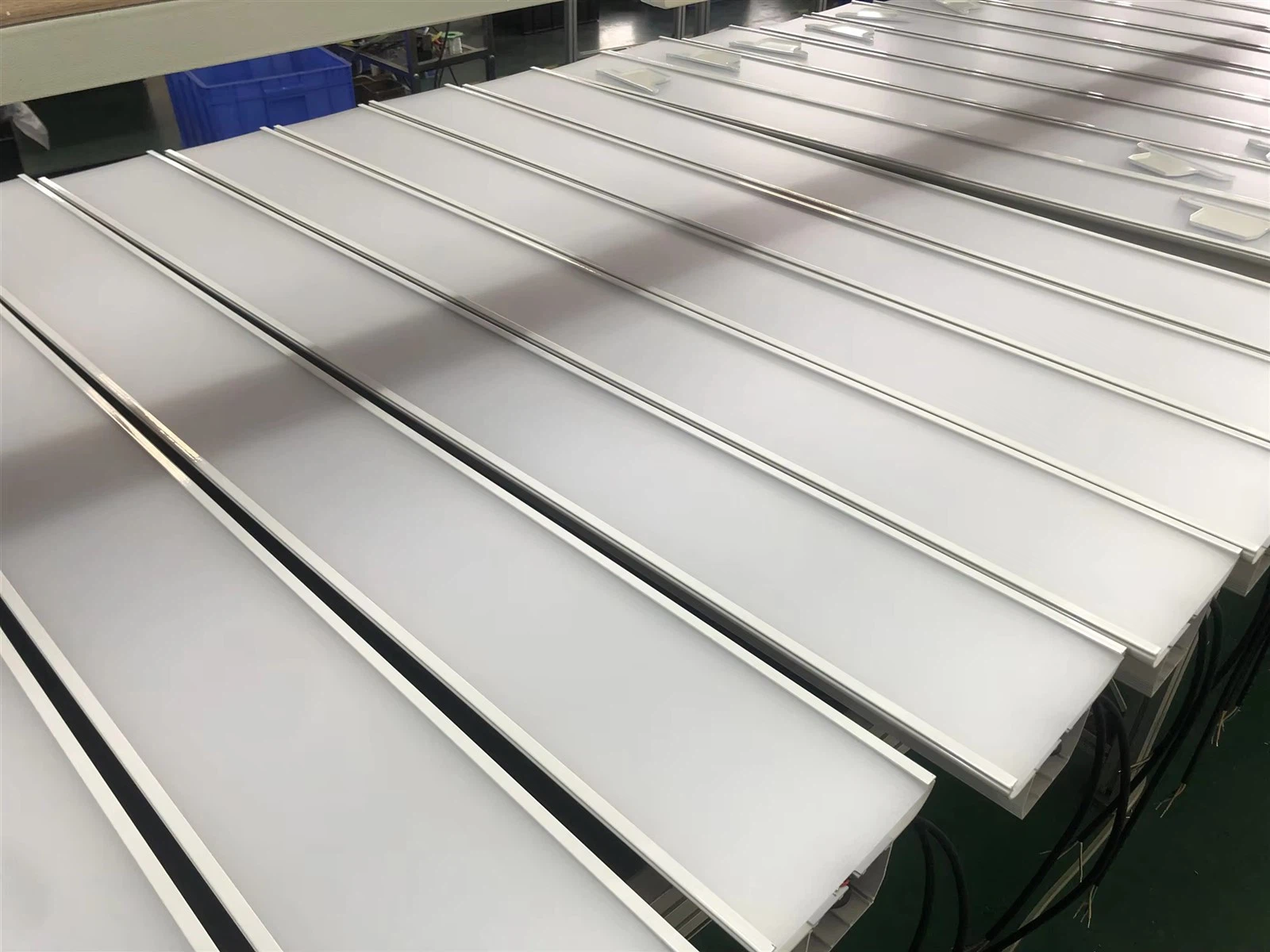
4. Key technical specifications for dedicated LED cattle shed lights
When selecting dedicated cattle shed lights, pay attention to the following parameters:
| Parameter | Standard requirement | Mechanism |
|---|---|---|
| Illuminance | 150–200 lux in activity area, 50 lux in resting area | Meets lactating cows' light needs, stimulates hormone secretion |
| Uniformity | ≥0.8 (around feed trough), ≥0.7 (other areas) | Prevents cows from perceiving sharp contrasts as "cliffs" or "black holes", reducing stress |
| Color temperature | 5000K–6500K cool white | Mimics natural light, regulates circadian rhythm |
| Photoperiod | Lactating: 16h light + 8h dark; Dry: 8h light + 16h dark | Modulates melatonin secretion, optimizes lactation and dry‑period management |
| Ingress protection | IP65–IP66 (dust/water resistant); IP69K for high‑pressure washdown areas | Cattle sheds are humid, high‑ammonia environments; lights must withstand pressure washing |
| Flicker‑free | Flicker frequency 125–250 Hz, flicker index ≤3% | Cows are sensitive to flicker (detection up to 80 Hz); flicker causes stress and anxiety |
| Dimming (dawn/dusk) | Supports sunrise/sunset simulation (30‑60 min gradual change) | Avoids sudden intensity changes that cause stress; follows natural rhythms |
| Thermal design | Aluminum cooling fins + passive cooling | Summer heat in barns; poor thermal management accelerates lumen depreciation and shortens life |
5. Purchasing tips and common misconceptions
- Mistake 1 – Using ordinary LED lamps as substitutes
Ordinary LEDs have a high proportion of blue light, which can disrupt cows' biological rhythms. Moreover, their low ingress protection rating means they will corrode and fail within 2 years in the humid, ammonia‑rich barn environment.
- Mistake 2 – Ignoring photoperiod programming
Fixed‑intensity lamps lack the ability to program day/night cycles and cannot achieve the full milk‑production potential. Choose smart systems that support sunrise/sunset simulation and zone‑independent control, with separate lighting strategies for lactating and dry‑cow barns.
- Mistake 3 – Believing "more lux is better"
Insufficient light reduces milk yield, but excessive light also causes stress. The optimal range of 150–200 lux has been validated by extensive research. After installation, use a lux meter at cow eye level (about 1.5 m) to calibrate the illuminance.
6. Expanded conclusion
A dedicated LED cattle shed light is not just a "lighting device" – it is a production management tool that uses photobiology to regulate the dairy cow's endocrine system. Choose the right photoperiod and spectrum, and each cow can produce an extra 1–3 liters of milk per day – for a 10,000‑cow farm, this means over a million RMB in additional annual revenue. With 50% energy savings and 10% higher production, the payback period is typically less than 18 months. When purchasing, insist on IP65+ protection rating, 150–200 lux illuminance, 16‑hour photoperiod programming, and sunrise/sunset simulation. Also request third‑party LM‑80 lumen maintenance reports to ensure stable operation for more than 8 years.
Should you have any requirements for bulk purchasing or customized lighting solutions, please do not hesitate to contact us for a detailed quotation.