Why Bird Breeding Requires Specialized Lamps Instead of Regular T8 Tubes
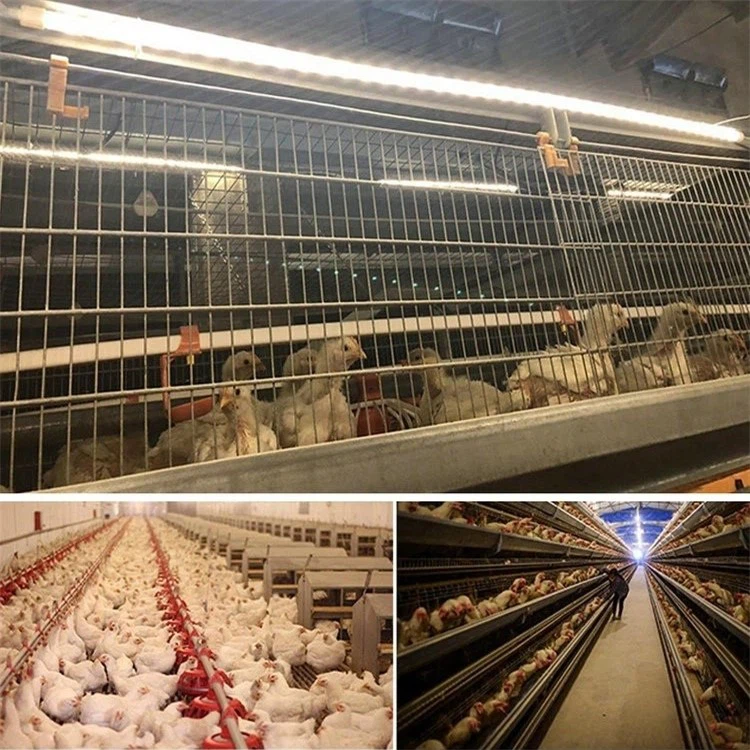
For bird breeders – whether caring for pet parrots, commercial poultry (like chickens or ducks), or exotic species – providing proper lighting is as critical as food and water. Yet a common misconception persists: that regular T8 fluorescent tubes (a staple in homes, offices, and garages for general illumination) can substitute for specialized bird breeding lamps. This mistake often leads to unintended consequences: stunted feather growth, disrupted sleep cycles, reduced egg production in poultry, and even weakened immune systems in birds. The truth is, birds have unique biological needs tied to light-needs that T8 tubes, designed for human vision and basic illumination, simply cannot meet. Below, we explore the science behind birds' light requirements, why T8 tubes fall short, and how specialized breeding lamps support bird health, behavior, and productivity.
Birds Rely on Specific Light Spectrums-A Need T8 Tubes Ignore
Unlike humans, who primarily use light for vision, birds depend on light as a biological signal to regulate key bodily functions: feather development, calcium absorption, circadian rhythms (sleep-wake cycles), and reproductive behavior. Central to these functions is a specific range of the light spectrum: ultraviolet A (UVA, 315–400nm) and ultraviolet B (UVB, 280–315nm), along with balanced visible light (400–700nm). UVB light, in particular, is non-negotiable: it enables birds to synthesize vitamin D3 in their skin, which is essential for absorbing calcium-critical for strong bones, eggshell formation (in laying hens), and preventing metabolic bone disease (a common, life-threatening condition in captive birds). UVA light, meanwhile, supports birds' visual perception: birds can see UVA wavelengths (humans cannot), which helps them identify mates, recognize food, and navigate their environment.
Regular T8 tubes, by contrast, emit a limited, unbalanced spectrum that excludes or severely lacks UV light. Most T8 tubes are designed to produce cool white or warm white light (focused on 450–650nm, the visible range humans perceive as "bright"). A standard cool white T8 tube emits less than 0.1% UVB and minimal UVA-far too little to support vitamin D3 synthesis in birds. Even "full-spectrum" T8 tubes (marketed for plants or reptiles) rarely deliver sufficient UVB; tests by the Avian Welfare Association found that 80% of these tubes lose 50% of their UVB output within 6 months of use, leaving birds without the critical wavelength they need. The result is predictable: birds raised under T8 tubes often develop calcium deficiencies-signs include soft beaks, brittle feathers, and in severe cases, limping or difficulty standing. For laying hens, this translates to thin, fragile eggshells that break easily, reducing hatch rates or rendering eggs unmarketable.
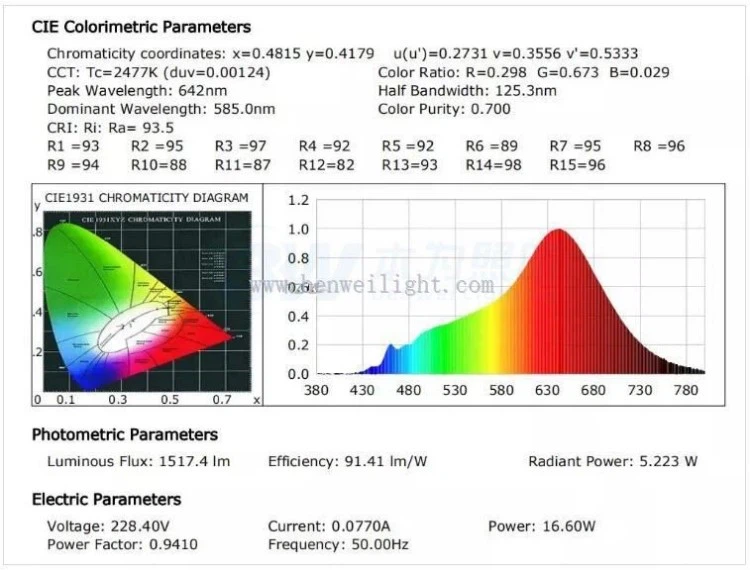
Specialized bird breeding lamps solve this by delivering a targeted spectrum with consistent UVA and UVB. High-quality models (often labeled "avian-specific") emit UVB at 290–310nm (the range most effective for vitamin D3 synthesis) and UVA at 360–380nm (optimized for bird vision). Many also include balanced visible light (with slightly higher red and blue wavelengths) to support natural behavior-for example, red light encourages feeding in chicks, while blue light helps regulate sleep. A 2023 study of commercial chicken farms found that hens raised under avian-specific lamps had 30% stronger eggshells and 22% higher hatch rates than those under T8 tubes. Pet bird owners reported similar benefits: parrots under specialized lamps showed more active foraging behavior and fewer signs of feather plucking (a common stress response to poor lighting).
T8 Tubes Lack the Intensity and Uniformity Birds Need
Birds – especially those in captive environments like cages, aviaries, or poultry coops – require consistent light intensity to thrive. In the wild, birds are exposed to bright, even sunlight for 10–12 hours daily; in captivity, lighting must mimic this to prevent stress and support natural behaviours. For example, chicks need 200–300 lux (a measure of light intensity) to find food and stay warm, while adult poultry require 500–700 lux to maintain egg production.
Regular T8 tubes fail to meet these intensity needs, especially in enclosed spaces. A standard 4-foot T8 tube emits 250–300 lux at 12 inches – enough for basic human tasks but insufficient for birds. Worse, T8 tubes have poor light distribution: intensity drops by 70% at 24 inches, creating "dark corners" in aviaries or coops. Birds in these dark areas often avoid feeding or nesting, leading to uneven growth (e.g., smaller chicks in low-light spots) or reduced egg-laying in hens. T8 tubes also produce "flicker" – a subtle variation in light intensity that humans rarely notice but birds find highly stressful. Flicker disrupts birds' visual systems, causing eye strain and anxiety; studies have linked T8 flicker to increased feather plucking in parrots and reduced feeding in chicks.
Specialised bird breeding lamps are engineered for high, uniform intensity with no flicker. Most use LED or compact fluorescent (CFL) technology to emit 500–1000 lux at 24 inches, covering large areas evenly. For example, a single 20W avian LED lamp can illuminate a 4x6-foot coop with a consistent 600 lux – enough to support 10–12 laying hens. These lamps also include diffusers to eliminate hot spots and flicker, creating a calm environment that mimics natural sunlight. Commercial bird breeders have seen tangible results: one duck farm in the U.K. replaced T8 tubes with specialised lamps and reported a 15% increase in chick survival rates, as the even light helped ducklings find food more easily and reduced stress-related deaths.
T8 Tubes Generate Harmful Heat and Poor Energy Efficiency
Birds are highly sensitive to temperature – even small fluctuations can stress them, especially chicks (which lack fully developed thermoregulation) and exotic species (adapted to specific climates). Regular T8 tubes generate uneven, wasteful heat that disrupts their comfort and health. A standard T8 tube operates at 45–55°C (113–131°F) at its surface; when mounted near bird cages (a common practice to save space), this heat can raise local temperatures by 5–8°C. For chicks in brooders (heated enclosures), this extra heat can cause overheating. Signs include panting, lethargy, and reduced appetite. For cold-sensitive species like finches or canaries, the dry heat from T8 tubes dries out the air, leading to respiratory issues (e.g., wheezing or nasal discharge).
Energy inefficiency is another flaw of T8 tubes for bird breeding. Birds need light for 10–14 hours daily (mimicking seasonal daylight cycles), and T8 tubes waste energy on unused wavelengths (e.g., green light, which birds do not use for vision or biology). A 4-foot T8 tube uses 32W of electricity but converts only 20% into usable light for birds; the rest is lost as heat. For a commercial farm with 100 T8 tubes, this translates to $150–$200 monthly in unnecessary energy costs.

Specialised bird breeding lamps address both heat and efficiency issues. LED-based models use 50–70% less energy than T8 tubes (e.g., a 15W avian LED lamp replaces a 32W T8 tube) and operate at 25–35°C (77–95°F) – cool enough to mount near cages without overheating. Many also include built-in heat sinks to dissipate excess warmth evenly, preventing hot spots. For chick brooders, some lamps have adjustable intensity settings: breeders can lower light output at night to reduce heat, mimicking the natural drop in temperature. A small-scale parrot breeder in Australia reported cutting energy bills by 40% after switching to LED avian lamps, while also reducing respiratory issues in chicks by 25% due to lower heat and drier air.
T8 Tubes Disrupt Birds' Circadian Rhythms and Reproductive Cycles
Birds have highly sensitive circadian rhythms – internal clocks regulated by light and dark – that control sleep, feeding, and reproduction. In the wild, these rhythms are synchronised with sunrise and sunset; in captivity, lighting must replicate this cycle to prevent hormonal imbalances. For example, laying hens need 14 hours of light daily to stimulate egg production (light triggers the release of follicle-stimulating hormone), while parrots require 10 hours of darkness to sleep deeply and avoid stress.
Regular T8 tubes disrupt these rhythms in two key ways: inconsistent light cycles and lack of dimming capability. Most T8 tubes are used with simple on/off switches, making it hard to mimic the gradual brightening of sunrise or dimming of sunset. Abrupt light changes (e.g., flipping a T8 tube on at 6 AM) startle birds, causing stress hormones like cortisol to spike. Over time, this chronic stress weakens their immune systems and reduces reproductive output-hens may lay fewer eggs, and male birds may lose interest in mating. T8 tubes also emit low levels of blue light at night (even when off, if connected to a dimmer switch), which suppresses melatonin (the sleep hormone) in birds. This leads to fragmented sleep: parrots under T8 tubes often wake 3–4 times nightly, leading to daytime lethargy and aggressive behavior.
Specialised bird breeding lamps solve these issues with programmable cycles and dimming features. Many models connect to timers or smartphone apps that simulate sunrise (gradually brightening over 30 minutes) and sunset (dimming over 30 minutes), matching birds' natural circadian rhythms. For seasonal breeders (e.g., finches or canaries), some lamps adjust light duration automatically – shortening to 10 hours in winter to mimic shorter days, which triggers breeding behaviour in spring. The blue light output is also calibrated to avoid melatonin suppression: at night, lamps switch to warm red light (which birds do not perceive as "daylight"), allowing for uninterrupted sleep. A study of captive zebra finches found that those under programmable avian lamps had 18% more successful breeding pairs and 30% longer sleep duration than those under T8 tubes.
Conclusion: Specialized Breeding Lamps Are Non-Negotiable for Bird Health
While regular T8 tubes may seem like a cheap, convenient option for bird lighting, they fail to meet birds' unique biological needs – from UV light for vitamin D3 to consistent intensity for behaviour and circadian rhythms. The consequences of using T8 tubes are clear: weaker bones, reduced egg production, stress-related behaviours, and higher energy costs. Specialised bird breeding lamps, by contrast, are engineered to mimic the natural light birds need, supporting their health, productivity, and quality of life.
For commercial breeders, this translates to higher profits: stronger chicks, more marketable eggs, and lower veterinary costs. For pet bird owners, it means happier, healthier companions – parrots that forage actively, finches that sing, and hens that lay strong eggs. In the end, the choice is simple: T8 tubes are designed for human spaces, but specialised breeding lamps are designed for birds. Investing in the right lighting is not just a choice – it's a commitment to the welfare and success of the birds in your care.
FAQ
Have any questions or want to send an inquiry!
Q1. How soon is the lead time?
A: For a sample order, 7-17 days if no stock. For bulk orders, 15-30 days.
Q2. Can your products' label, packaging, and design be customised?
A: Yes, we offer a customisation service on these.
Q3. How can we guarantee quality?
A: Always a pre-production sample before mass production; always a final inspection before shipment.
Q4. How do you ship the goods and how long does it take to arrive?
A: We usually ship by DHL, UPS, FedEx or TNT. It usually takes 3-5 days to arrive. Airline and sea shipping are also optional.
Q5. What is your payment way?
A: PayPal / Visa / Western Union / online transfer / apply pay / T/T all work for us for payment.
Shenzhen Benwei Lighting Technology Co., Ltd.
Telephone: +86 0755 27186329
Mobile(+86)18673599565
Whatsapp :19113306783
Email:bwzm15@benweilighting.com
Skype: benweilight88
Web: www.benweilight.com